AI Healthcare Solutions for Smarter Patient Care and Operations
Transform patient care with AI Healthcare Solutions that automate clinical workflows, improve diagnostics, enhance patient engagement, and streamline operations. 75way develops intelligent AI-powered healthcare solutions that help providers deliver better outcomes, increase efficiency, and accelerate digital transformation.
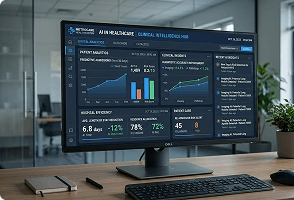
AI In Healthcare
Transform healthcare operations using intelligent systems that analyze clinical data, automate workflows, enhance diagnostics, and improve patient outcomes.
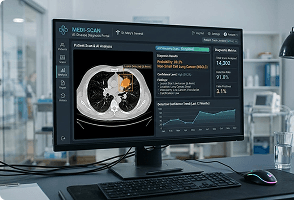
AI Disease Diagnosis
Detect diseases earlier by analyzing medical data, symptoms, and clinical patterns to support faster, more accurate diagnostic decisions.
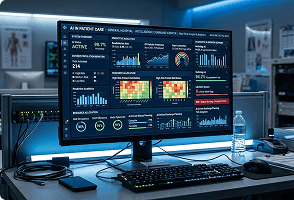
AI in Patient Care
Improve patient care by monitoring health data, assisting treatment decisions, supporting clinicians, and enabling personalized care delivery.
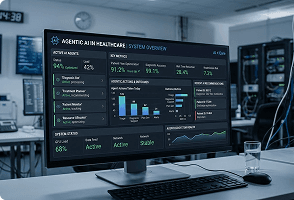
Agentic AI in Healthcare
Deploy autonomous AI agents that manage healthcare workflows, coordinate tasks, analyze data, and support clinical decision processes.

AI Predictive Analytics In Healthcare
Predict health risks, patient outcomes, hospital demand, and treatment responses by analyzing historical clinical and operational data.
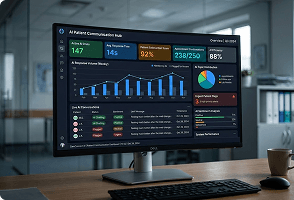
AI for Patient Communication
Enhance patient engagement by automating appointment reminders, answering queries, providing treatment guidance, and ensuring consistent communication across healthcare channels.
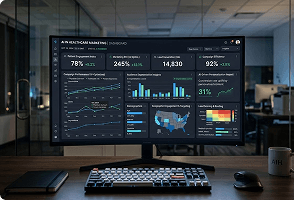
AI in Healthcare Marketing
Optimize healthcare marketing strategies by analyzing patient behavior, personalizing campaigns, improving engagement, and increasing healthcare service adoption.
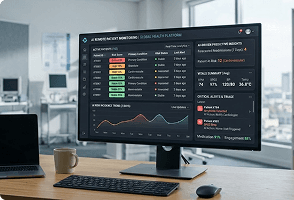
AI Remote Patient Monitoring
Monitor patient health remotely by analyzing real-time device data, detecting risks early, and enabling proactive clinical interventions.
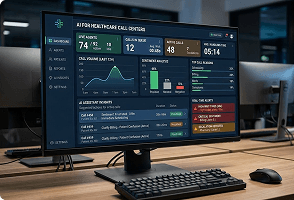
AI for Healthcare Call Centers
Optimize healthcare call centers by automating patient inquiries, scheduling appointments, triaging requests, and supporting agents with intelligent responses.
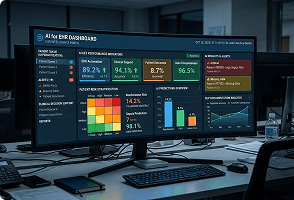
AI for EHR
Improve electronic health record management by automating documentation, extracting insights from patient data, and enabling faster, more accurate clinical decisions.
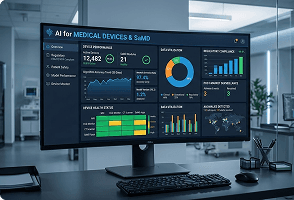
AI for Medical Devices & SaMD
Enable intelligent medical devices and software-as-a-medical-device to analyze data, support diagnostics, and improve the accuracy of clinical monitoring.
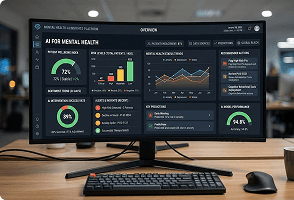
AI for Mental Health
Support mental health care by analyzing behavioral signals, enabling virtual therapy assistance, monitoring emotional patterns, and improving intervention outcomes.
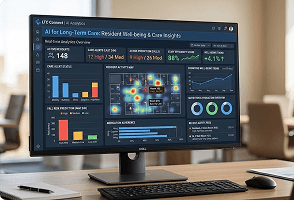
AI for Long-Term Care
Improve long-term patient care by monitoring health conditions, automating caregiver workflows, predicting risks, and supporting continuous patient management.
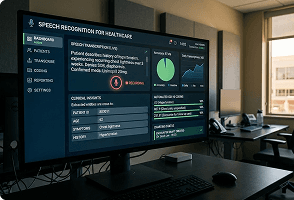
Speech Recognition for Healthcare
Convert medical conversations into structured clinical documentation, reducing manual charting time while improving accuracy and physician productivity.
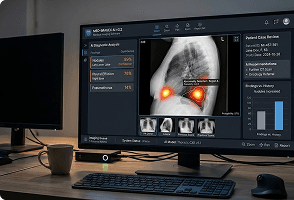
Medical Imaging Software
Analyze medical images using advanced algorithms to detect abnormalities, assist radiologists, accelerate diagnosis, and improve treatment planning.
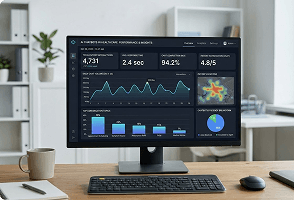
AI Chatbots In Healthcare
Automate patient support through intelligent chatbots that answer health questions, guide appointments, provide reminders, and improve service accessibility.
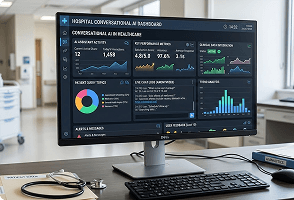
Conversational AI in Healthcare
Enable natural conversations between patients and healthcare systems to provide support, triage symptoms, schedule visits, and guide care.
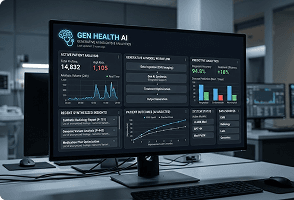
Generative AI in Healthcare
Generate medical documentation, treatment summaries, research insights, and patient communication content using advanced generative artificial intelligence models.
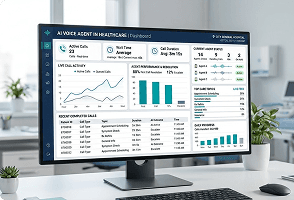
AI Voice Agent In Healthcare
Enable voice-driven healthcare interactions that automate patient assistance, appointment management, medical queries, and clinical workflow support.
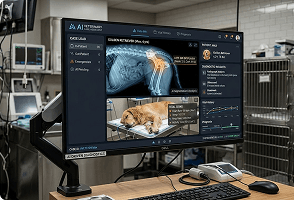
AI in Veterinary Care
Support veterinary professionals by analyzing animal health data, assisting diagnostics, monitoring treatments, and improving care for pets and livestock.
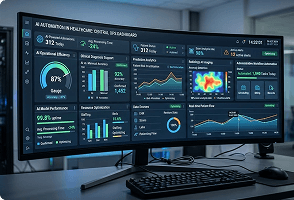
AI Automation In Healthcare
Automate administrative, clinical, and operational healthcare tasks to reduce workload, improve efficiency, and ensure consistent patient service.