Summary
Mobile app development involves a comprehensive process from idea validation through design, development, testing, and deployment. Businesses use this lifecycle to build scalable, user-focused applications that deliver value and performance. This guide explains each stage in detail, helping beginners and decision-makers understand how modern mobile apps are planned, built, and launched successfully.
Quick Overview
- Mobile app development follows structured stages from idea to deployment
- Planning and research define the success of the entire mobile application process
- The global mobile app market reached $53.71 billion with strong growth projections ahead.
- Development converts ideas into functional and scalable mobile applications
- Testing ensures performance, security, and a smooth user experience
- On average, mobile app development costs range from $15,000 to $300,000, depending on complexity.
Ever had that moment where an app idea feels solid in your head, but once development starts, everything suddenly feels more complicated than expected?
That’s usually where most founders and business owners hit a wave of questions. How to build a mobile app? What features should come first? How should the design feel for users in real life, not just on paper? And which technology stack will still hold up when the app starts scaling?
Even a mobile app development process that actually works in the real world is not built in one straight line. It is a structured engineering journey involving strategy, design thinking, architecture planning, development discipline, testing rigor, and post-launch optimization.
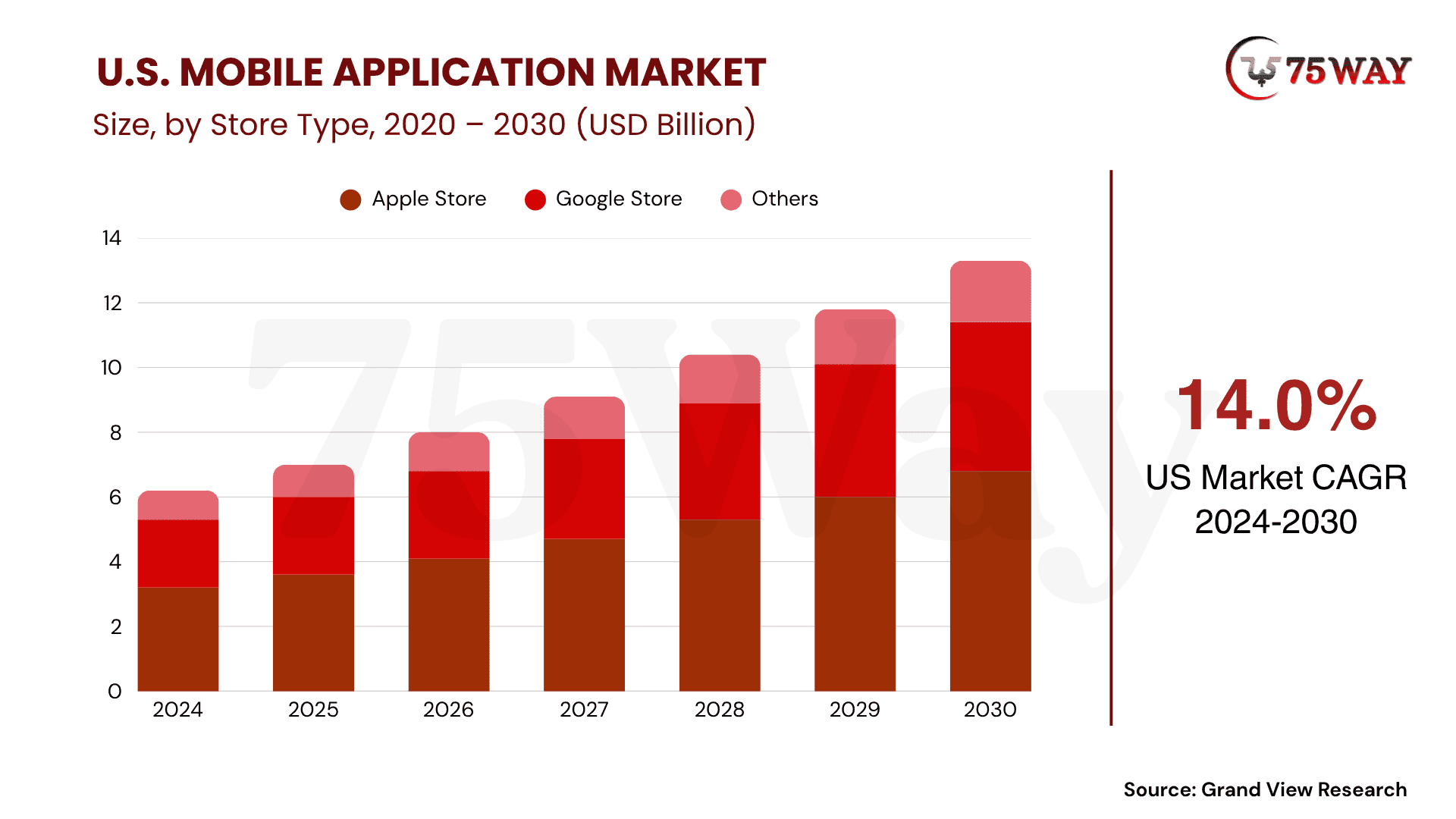
In fact, even with the U.S. mobile application market reaching about USD 53.71 billion in 2023 and continuing to grow at a projected CAGR of 14.0% through 2030.
This guide breaks down the entire mobile app development process in a practical, business-focused way so you can understand exactly how high-performing apps are built from idea to scalable product.
Why Understanding the Mobile App Development Process Matters?
Many applications fail not because of poor ideas, but because of poor execution planning. Understanding the development lifecycle helps you:
- Reduce unnecessary development costs
- Improve product-market alignment
- Avoid technical debt in early stages
- Increase scalability and performance readiness
- Speed up time-to-market
- Improve user retention and engagement
A well-defined process serves as a blueprint, ensuring that every stage contributes to business outcomes rather than just technical output.
Step-by-Step Mobile App Development Process Explained
A well-defined mobile app development process is widely used by businesses and development teams across industries. It provides a structured roadmap to transform ideas into reliable, scalable applications through clear planning, design, development, testing, and deployment stages.
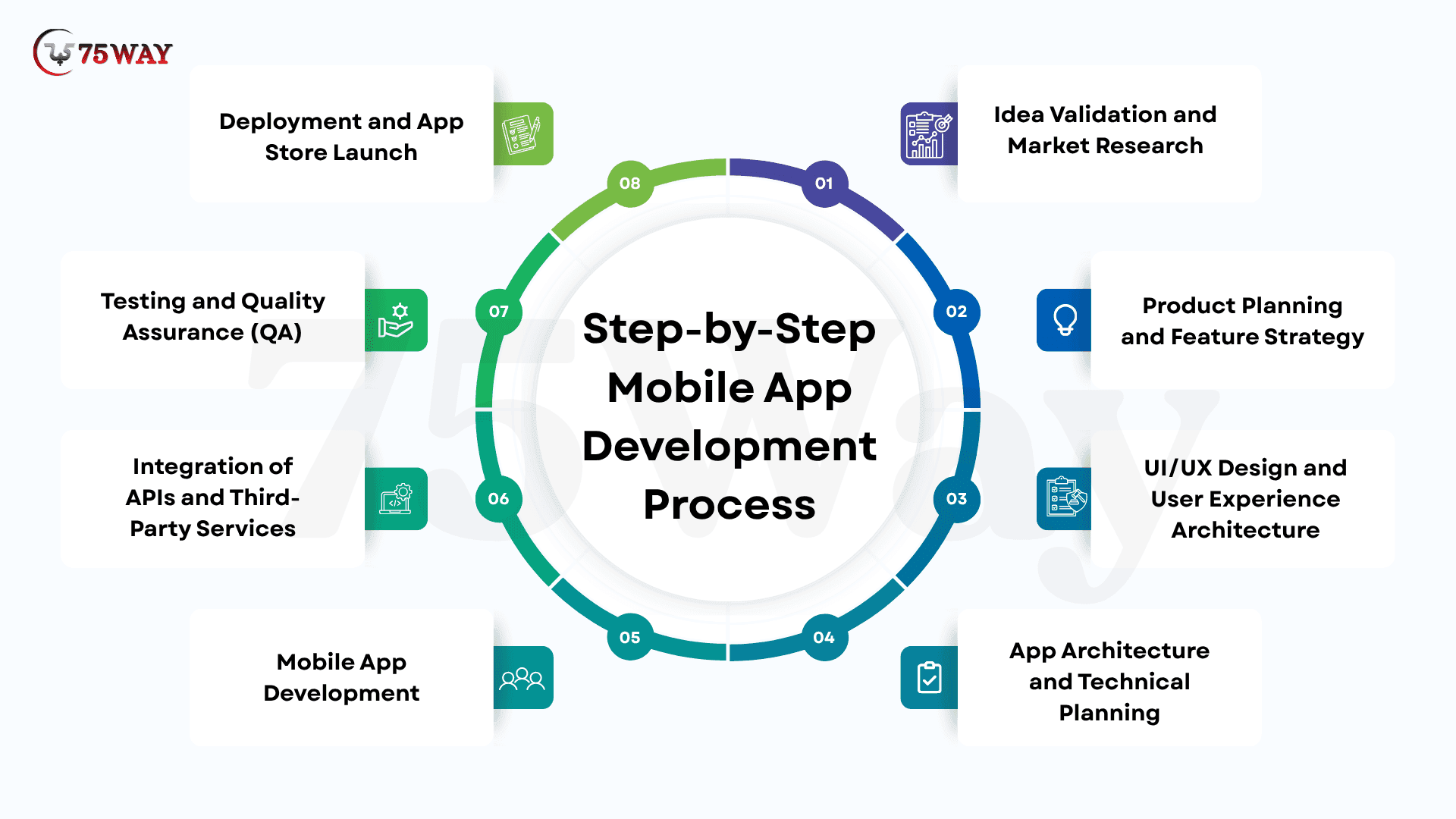
Stage 1: Idea Validation and Market Research
This stage ensures the app idea is grounded in real user needs and market demand. It prevents costly failures by validating whether the solution truly addresses meaningful problems before moving into design and development phases. This phase focuses on answering one critical question:
Does This App Solve A Real Problem For Real Users?
You must consider key points:
- Identifying target user segments
- Analyzing pain points and unmet needs
- Studying competitor apps and feature gaps
- Validating demand through surveys or prototypes
- Defining core value proposition
Without validation, even well-built apps fail due to a lack of adoption. This stage ensures your idea has measurable demand before investing in development.
Stage 2: Product Planning and Feature Strategy
Once the idea is validated, the next step is structured planning. This stage focuses on converting validated ideas into a structured product roadmap with clear priorities, technical decisions, and execution planning for efficient mobile app development.
- Feature Breakdown: Separate essential features from optional enhancements to focus development and avoid unnecessary complexity during initial product development.
- App Architecture Planning: Define the system structure, data flow, and components to ensure scalability, performance optimization, and long-term maintainability.
- Technology Stack Selection: Choose suitable programming languages, frameworks, and tools for compatibility, faster development cycles, and efficient system performance.
- Development Roadmap Creation: Create a step-by-step timeline that aligns teams, defines milestones, and ensures smooth execution of the entire development process.
- Risk Identification And Mitigation Planning: Identify potential challenges early to reduce development delays, manage uncertainties, and ensure stable project delivery outcomes.
You receive a complete product blueprint that defines what will be built, how it will be built, and the sequence in which it will be delivered.
- What will be built
- How it will be built
- In what sequence will it be delivered
This is where business vision is translated into engineering clarity.
Stage 3: UI/UX Design and User Experience Architecture
UI/UX design is a critical stage that shapes how users perceive, interact, and experience the mobile application. It combines functionality and aesthetics to create intuitive, engaging, and seamless user journeys.
UX Design (User Experience)
UX defines how users interact with applications through structured navigation and interaction flow design.
- Navigation Flow: Guide users through screens logically for a smooth movement and effortless application exploration experience.
- User Journey Mapping: Map complete user steps to understand behavior and improve engagement across application stages.
- Screen Transitions: Design smooth transitions between screens for continuity and visually appealing user experience flow.
- Interaction Logic: Define how users interact with elements for intuitive responses and predictable application behavior.
UI Design (User Interface)
UI focuses on visual presentation, including layout, colors, typography, and overall interface styling.
- Layout Structure: Arrange visual elements properly to ensure balance, clarity, and consistent design across all screens.
- Color Psychology: Use colors strategically to influence emotions and improve user engagement within the application interface.
- Typography Hierarchy: Organize text styles to improve readability, emphasis, and visual communication effectiveness throughout design.
- Component Styling: Design reusable interface elements ensuring consistency, clarity, and visual appeal across application screens.
A well-designed application directly influences user behavior and business performance outcomes. It improves engagement by increasing user retention, reduces drop-offs by lowering bounce rates, enhances revenue opportunities through better conversion rates, and creates smoother experiences that minimize user frustration. Overall, design plays a crucial role in improving key business performance metrics and driving sustainable app success.
Stage 4: App Architecture and Technical Planning
Before development begins, app architecture must be clearly defined to ensure scalability, performance, and security. It sets a strong technical foundation for a structured mobile application development process.
1. Frontend Layer: It is the user-facing part of a mobile application that users directly see and interact with. It includes the user interface elements such as screens, buttons, menus, icons, forms, navigation systems, animations, and overall visual layout.
It also handles user interactions like taps, swipes, input fields, and gestures, ensuring a smooth, responsive, and intuitive experience across different devices and screen sizes.
2. Backend Layer
The backend is the core system that powers application logic, data handling, and server-side operations efficiently.
- Data Storage: Manage structured and unstructured data securely using databases like MySQL, MongoDB, or PostgreSQL systems.
- Authentication: Verify user identity securely using JWT, OAuth, or Firebase Authentication for controlled access.
- Business Logic: Execute application rules and workflows using Node.js, Java, Python, or .NET frameworks.
- Server Communication: Enable data exchange between frontend and backend using REST APIs or GraphQL protocols.
3. APIs
They act as communication bridges that connect frontend interfaces with backend systems. They include REST APIs, GraphQL endpoints, authentication APIs, payment APIs, and third-party service integrations, enabling secure, structured, and real-time data exchange between different application components for seamless functionality.
Architecture Decisions Include
- Native vs Cross-Platform Approach: Select native development for high-performance or cross-platform tools like Flutter, React Native, for faster deployment and cost efficiency.
- Database Structure: Design structured schemas using MySQL, PostgreSQL, or MongoDB for optimized queries, data integrity, and scalable storage management systems.
- Cloud Infrastructure Setup: Deploy applications using AWS, Azure, or Google Cloud for flexible hosting, storage, and global accessibility with high reliability.
- Scalability Planning: Plan system architecture to handle growing users using load balancing, microservices, and distributed computing for consistent performance.
- Security Model Design: Implement encryption, authentication, and authorization using OAuth, JWT, and SSL protocols to protect data and prevent cyber threats.
Strong architecture prevents performance issues at scale.
Stage 5: Mobile App Development (Core Engineering Phase)
This is the execution phase where design and planning transform into a functional product. Here, design and planning transform into a functional product, turning ideas into real working software through coding, integration, and iterative development processes.
1. Frontend Development
Developers build:
- User interfaces
- Interactive components
- Navigation logic
- Real-time UI updates
2. Backend Development
Backend engineers the core system that powers application functionality, performance, and secure data handling behind the user interface.
- Server-Side Logic: Implement application rules using Node.js, Java, Python, or .NET to control workflows and system behavior.
- Database Operations: Manage data using MySQL, PostgreSQL, or MongoDB to securely store, retrieve, update, and organize application information.
- Authentication Systems: Secure user access using JWT, OAuth, Firebase Authentication, and session-based login systems for identity verification.
- API Integration: Connect the frontend and external services via REST APIs or GraphQL for seamless data exchange and expanded functionality.
- Data Processing Workflows: Handle, transform, and analyze application data in real time to ensure smooth and accurate system performance.
3. Agile Development Approach
Most modern teams use iterative cycles:
- Sprint Planning: Define tasks, priorities, and timelines for each development cycle for clear team alignment and predictable execution workflow.
- Feature Development: Build application functionalities in iterative cycles, focusing on coding, integration, and delivering usable components.
- Continuous Integration: Merge code frequently into shared repositories using tools like GitHub Actions, Jenkins, or GitLab CI to detect issues early.
- Incremental Releases: Deploy application updates step-by-step to production for stability, faster feedback, and reduced deployment risks.
This ensures flexibility and faster delivery.
Stage 6: Integration of APIs and Third-Party Services
Modern mobile applications rarely operate in isolation, as they depend on external services to deliver richer, faster, and more scalable functionality. API and third-party integrations allow developers to extend app capabilities without rebuilding complex systems from scratch, ensuring faster development cycles and reduced engineering effort. Common integrations include:
- Payment gateways
- Location services
- Social login systems
- Cloud storage APIs
- Messaging or notification systems
APIs extend app functionality without rebuilding complex systems from scratch, significantly reducing development time, lowering costs, and improving scalability. They also enable faster innovation by allowing developers to integrate ready-made, reliable services that enhance performance, user experience, and overall application efficiency.
Stage 7: Testing and Quality Assurance (QA)
Testing ensures application stability, security, performance, and readiness before launch across real-world environments and devices effectively. Without proper testing, even well-developed applications fail in the real world due to bugs, crashes, or performance issues that affect user experience and business outcomes.
- Functional Testing: Verify application features work correctly according to requirements and produce expected outputs for all user actions.
- Performance Testing: Evaluate speed, responsiveness, and system behavior under varying loads and high-traffic conditions.
- Security Testing: Identify vulnerabilities and protect data through encryption, authentication systems, and secure coding practices.
- Device Compatibility Testing: Test the application across multiple devices and operating systems to maintain consistent behavior and visual experience.
- Unit Testing: Validate individual functions or components by testing each module separately during development.
- Integration Testing: Check the interaction between modules to confirm smooth data flow and system communication.
- Regression Testing: Recheck existing features after updates to confirm previous functionality remains unaffected.
- Usability Testing: Evaluate user interaction patterns and interface clarity to improve ease of use.
Stage 8: Deployment and App Store Launch
Once the application passes testing, it moves into deployment, where it is prepared for release on digital platforms. This stage involves app store submission, metadata optimization, screenshot and preview setup, version configuration, and structured release management to make the application ready for users.
A well-planned launch strategy directly impacts early success in the market. It helps achieve higher initial downloads, improves user acquisition, creates stronger first impressions, and increases ranking visibility across app stores, setting a strong foundation for long-term growth and adoption.
Stage 9: Post-Launch Maintenance and Continuous Improvement
App development does not end after launch because continuous monitoring and improvements keep the application stable, relevant, and competitive in changing user environments.
- Bug Fixes & Updates: Resolve technical issues and release improvements to maintain smooth application functionality and reliability.
- Feature Enhancements: Add new functionalities based on user needs and market trends to improve overall product value.
- Performance Optimization: Improve speed, responsiveness, and resource usage to deliver a smoother user experience across devices.
- User Feedback Integration: Collect and apply user suggestions to refine features and improve usability over time.
- Security Updates: Patch vulnerabilities and strengthen protection systems to safeguard user data and application integrity.
User expectations evolve rapidly. Continuous improvement helps maintain relevance, improve engagement, and support long-term application success in competitive digital markets.
Advanced Development Models Used in Modern Apps
Modern app development relies on structured delivery models that shape how teams plan, build, test, and release software based on project needs.
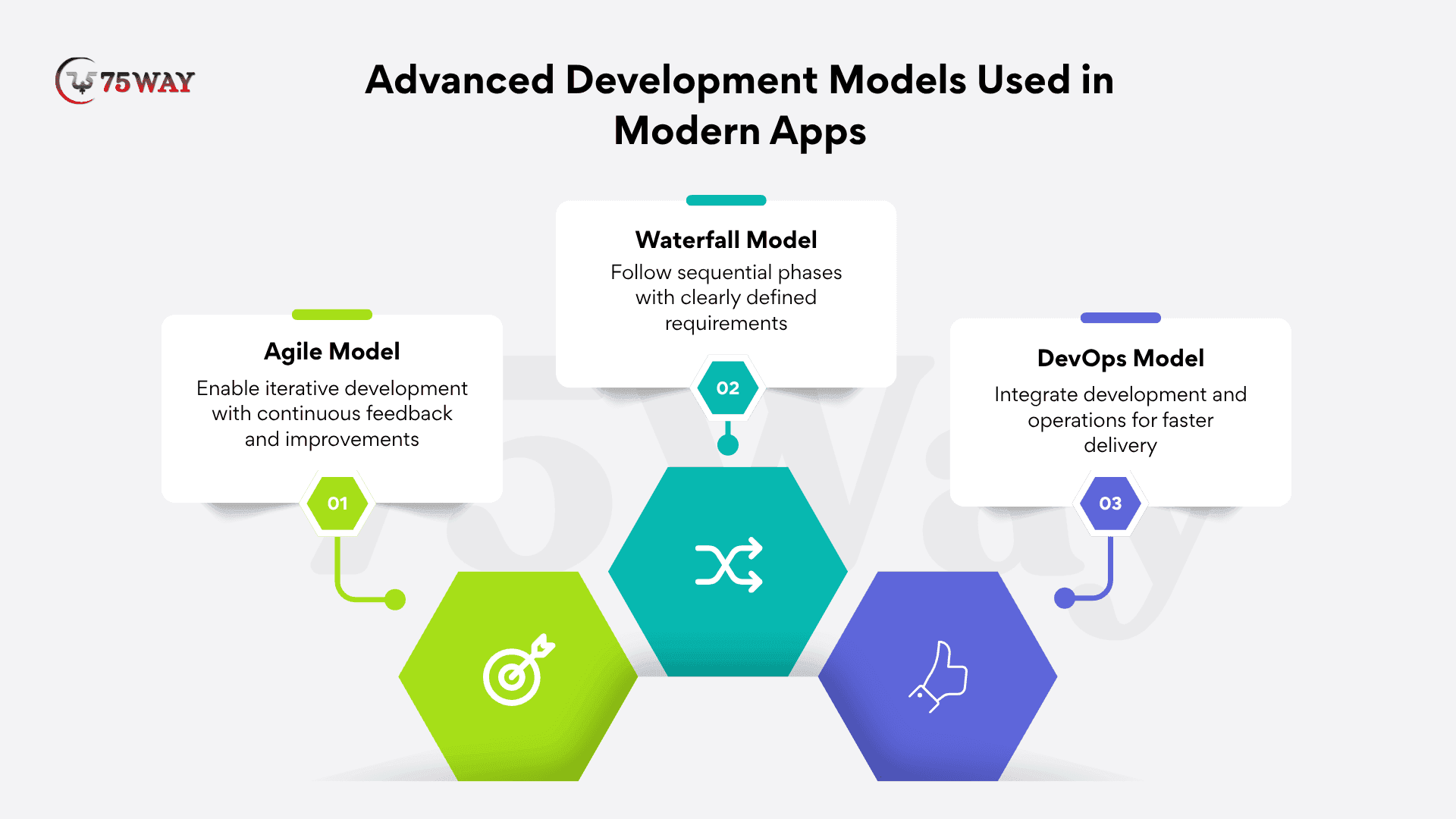
- Agile Model
In the agile model, the process is executed in short development cycles where features are built, tested, and improved continuously with feedback. This approach fits well for fast-changing products and evolving user demands, especially in digital products that require frequent updates and flexibility. A common example is consumer-facing mobile apps where features evolve based on user behavior and market trends.
- Waterfall Model
The waterfall development approach follows a step-by-step sequence in which each phase is completed before moving to the next. It works best when requirements are clearly defined from the beginning and are unlikely to change during development. This model is often used in enterprise systems or regulated environments where structure and predictability are more important than frequent changes.
- DevOps Model
DevOps Model focuses on automation, continuous integration, and continuous deployment to speed up delivery and improve collaboration between development and operations teams. It is best suited for large-scale applications that require frequent updates and high reliability. For instance, cloud-based platforms that release updates regularly with minimal downtime.
Technology Stack Behind Modern Mobile Apps
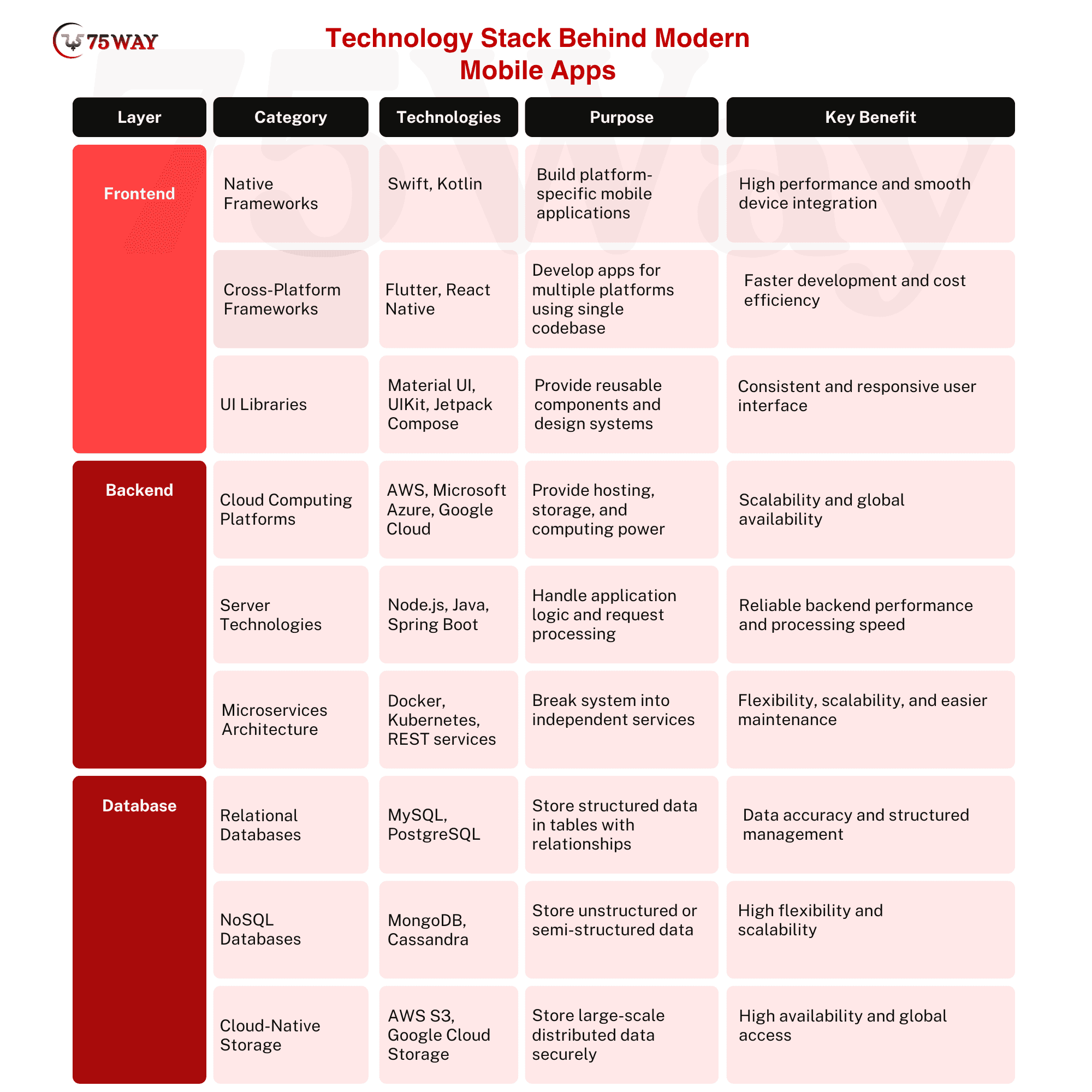
Modern mobile applications rely on a carefully selected technology stack that determines performance, scalability, maintainability, and overall user experience across platforms and devices.
Frontend Technologies
Frontend technologies build the user-facing layer of applications using native, cross-platform frameworks and modern UI libraries for smooth interaction.
- Native frameworks develop platform-specific apps using Swift for iOS and Kotlin for Android, for high-performance experiences.
- Cross-platform frameworks such as Flutter and React Native enable developers to build apps for multiple platforms with a single codebase.
- Modern UI libraries provide reusable components, animations, and design systems to deliver consistent, responsive interfaces.
Backend Technologies
Backend technologies manage server-side logic, cloud operations, and system communication using scalable frameworks and distributed architectures.
- Cloud computing platforms like AWS, Azure, and Google Cloud provide hosting, storage, and computing resources.
- Node-based or Java-based servers handle requests, process data, and manage application workflows efficiently at scale.
- Microservices architecture breaks applications into independent services for flexibility, scalability, and easier maintenance.
Database Systems
Database systems store, manage, and retrieve application data using structured, flexible, and cloud-based storage solutions.
- Relational databases like MySQL and PostgreSQL organize data in structured tables with defined relationships.
- NoSQL databases like MongoDB store unstructured or semi-structured data for flexible and scalable applications.
- Cloud-native storage systems provide distributed, secure, and highly scalable data storage across global infrastructure.
What’s Mobile App Development Cost?
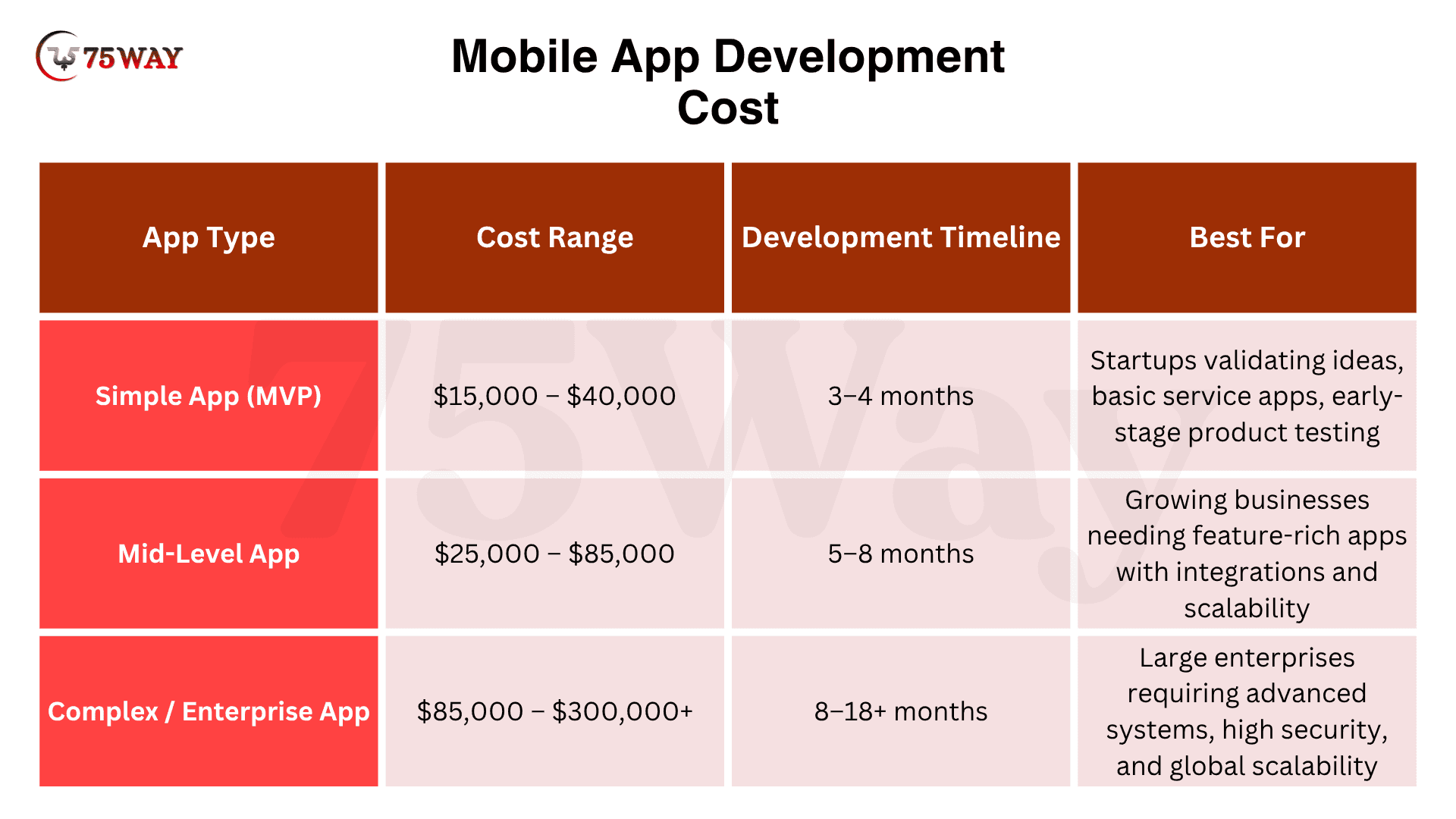
The cost to develop a mobile app varies widely based on complexity, features, design requirements, technology stack, and development timeline. It is not a fixed number because every application has different business goals, user expectations, and technical needs that directly influence total investment.
- Simple App (MVP) Cost: $15,000 – $40,000
Covers essential features to quickly launch and validate your idea.
- Mid-Level App Cost: $25,000 – $85,000
Includes advanced functionalities, integrations, and improved user experience.
- Complex / Enterprise App Cost: $85,000 – $300,000+
Delivers a scalable, high-performance solution with extensive features and custom integrations.
Cost Factors in Mobile App Development
The cost of building an app depends on:
- Feature complexity
- UI/UX customization level
- Backend infrastructure requirements
- Third-party integrations
- Testing depth
- Maintenance expectations
Common Mistakes to Avoid in App Development
- Skipping Market Validation
Building an app without understanding real demand often results in low user adoption and wasted investment. Proper research, competitor analysis, and early validation help confirm whether the idea solves a real problem before development begins.
- Overloading Features in MVP Stage
Adding too many features at the initial stage increases complexity, delays launch, and reduces clarity for users. Focusing only on core functionality that directly solves the primary problem helps create a faster, more effective product.
- Poor UI/UX Planning
Weak design leads to confusing navigation, low engagement, and higher user drop-off rates. Clear user journeys, simple layouts, and intuitive interactions improve usability and create a smoother overall experience.
- Ignoring Scalability
Applications built without scalability planning often struggle as user traffic increases, leading to performance issues and system slowdowns. Designing flexible architecture with cloud support and optimized databases helps manage growth effectively.
- Weak Testing Processes
Insufficient testing allows bugs, crashes, and performance issues to reach end users, affecting trust and satisfaction. Structured testing across functionality, performance, and security ensures a stable and reliable application.
- No Post-Launch Strategy
Without continuous improvement, applications quickly become outdated and lose user interest over time. Regular updates, feature enhancements, and user feedback integration help maintain relevance and long-term success.
Final Thoughts
Mobile app development goes far beyond coding and becomes a structured engineering journey that connects strategy, design, development, testing, and continuous improvement into one unified process. Each stage plays a critical role in shaping how the final product performs, scales, and delivers value to users in real-world conditions.
When businesses follow a clear, structured development approach, they consistently create applications that scale effectively, deliver smooth user experiences, and achieve stronger conversion rates. This disciplined workflow also helps in building a stronger market presence by aligning technical execution with business goals.
A successful mobile application is never built by chance; it is the result of careful planning, precise execution, and continuous refinement based on user needs and performance data. If you are planning to build a high-performing product, reaching out a reliable mobile app creation company can help turn your idea into a market-ready solution.
Frequently Asked Questions (FAQs)
Why Is Mobile App Planning Important Before Development Begins?
Mobile app planning is essential because it defines the foundation of your entire product strategy. It helps identify user needs, core features, technical requirements, and potential risks. Proper planning ensures development teams avoid confusion, reduce costs, and deliver a structured, scalable product aligned with business goals and user expectations from the beginning.
What Makes A Mobile Application Successful In Competitive Markets?
A successful mobile application combines strong functionality, seamless user experience, and consistent performance. It solves real user problems effectively while maintaining fast performance across devices. Regular updates, intuitive design, and reliable backend systems also contribute significantly. Additionally, understanding user behavior and continuously improving the app helps maintain long-term market competitiveness.
How Does User Experience Influence Mobile App Performance?
User experience plays a major role in determining how users interact with a mobile application. A smooth, intuitive interface reduces friction and increases engagement. Poor UX leads to higher abandonment rates. Effective UX design ensures easy navigation, clear workflows, and satisfying interactions, ultimately improving retention rates and driving stronger business results.
Why Is Backend Development Important In Mobile Applications?
Backend development powers all behind-the-scenes functionality in a mobile application. It manages data storage, authentication, server communication, and business logic. Without a strong backend, apps cannot function reliably or scale effectively. A well-structured backend ensures security, performance stability, and smooth interaction between the user interface and server-side operations.
What Role Does Testing Play In Mobile App Development?
Testing ensures that a mobile application functions correctly under different conditions. It identifies bugs, performance issues, and security vulnerabilities before release. Testing improves reliability across devices and operating systems. It also ensures user satisfaction by delivering a smooth, error-free experience, reducing post-launch failures and increasing overall product quality and trust.
How Do APIs Improve Mobile App Functionality?
APIs enhance mobile applications by enabling integration with external systems and services. They allow apps to access features like payments, maps, messaging, and authentication without building them from scratch. This reduces development time, improves efficiency, and expands functionality. APIs also help create more dynamic, connected, and feature-rich mobile experiences for users.