Summary
Healthcare mobile app development is transforming modern healthcare by enabling digital-first patient experiences, improving operational efficiency, and unlocking new revenue streams. This guide covers everything from development steps and features to costs, trends, and monetization strategies, helping businesses build scalable and compliant healthcare solutions.
Key Takeaways
- Healthcare app market projected to reach $646.52 billion by 2035
- Over 90% users willing to reuse telehealth services globally.
- Healthcare apps are rapidly growing with strong market demand and ROI potential
- A structured development process reduces failure risks significantly
- Choosing the right features and tech stack ensures scalability
- Healthcare app costs range from $25,000 to $500,000+, depending on complexity
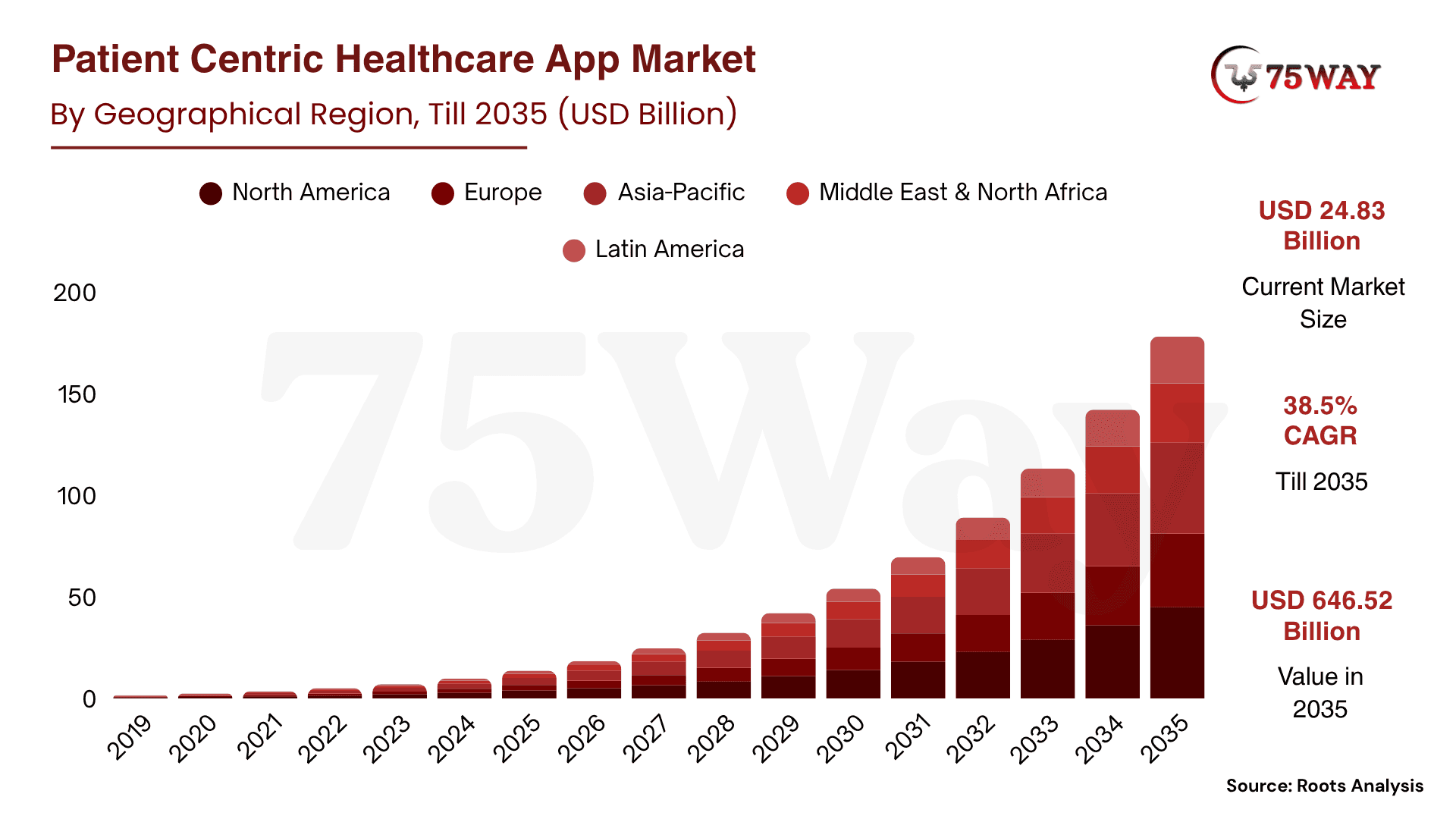
The healthcare industry is undergoing a massive digital transformation, driven by the rising demand for accessible, efficient, and patient-centric solutions. In fact, the patient-focused healthcare app market is expected to reach approximately $646.52 billion by 2035, growing at an impressive CAGR of 38.5%. This rapid growth highlights the increasing reliance on mobile technology to deliver better healthcare experiences.
This is exactly why healthcare app development has become essential for modern businesses. Patients now expect instant access to care, real-time health tracking, and seamless digital interactions. At the same time, healthcare providers need efficient systems to manage data, reduce operational costs, and improve outcomes. Without a digital solution, businesses risk losing both relevance and competitive advantage.
For startups and businesses, healthcare mobile app development is no longer optional. It is a strategic investment. From improving patient engagement to streamlining clinical workflows, these apps are reshaping how care is delivered. In this comprehensive guide, you will explore development processes, features, costs, challenges, and proven strategies to build scalable and successful healthcare applications.
What is Healthcare App Development?
Healthcare app development is the process of designing, building, and deploying mobile or web applications that deliver medical, wellness, and healthcare-related services digitally. These apps are created to improve patient care, streamline healthcare operations, and enable seamless communication between patients, doctors, and healthcare providers.
Healthcare applications cover a wide range of solutions, including telemedicine platforms, electronic health records (EHR/EMR) systems, fitness and wellness apps, remote patient monitoring tools, and mental health applications. They often integrate advanced technologies such as artificial intelligence, cloud computing, and wearable devices to provide real-time insights and personalized care.
Step-by-Step Process to Develop a Healthcare Mobile App
The healthcare mobile app development process requires a structured approach, clear planning, and adherence to best practices to develop a user-friendly mobile application that delivers meaningful results for both patients and healthcare providers. Before beginning your app development journey, it is essential to define your app’s purpose, determine the type of app, identify key features, understand your target audience, and clarify the goals it aims to achieve. In this guide, we will explore each stage of the healthcare mobile app development process while evaluating these critical considerations.
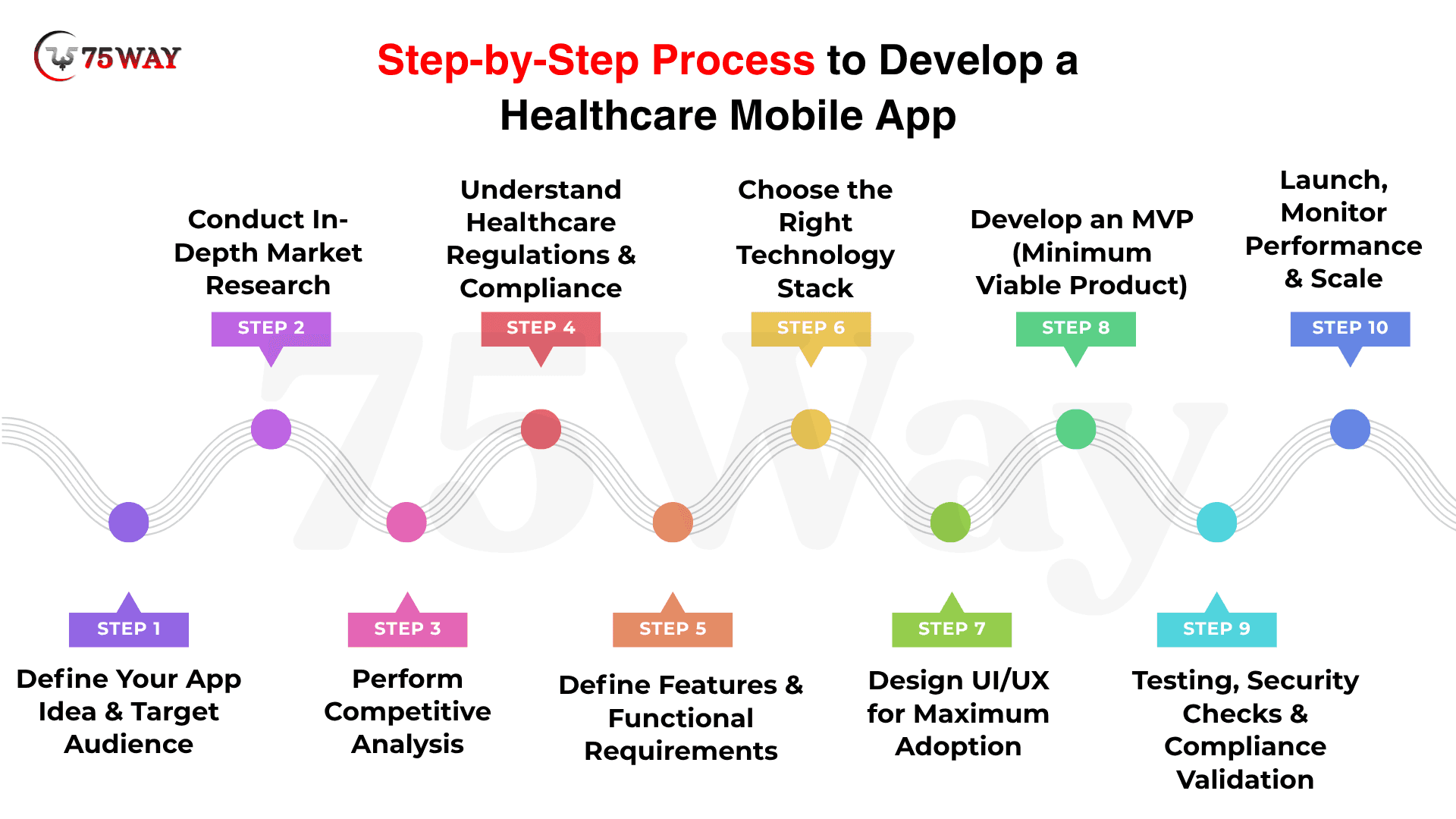
Step 1: Define Your App Idea & Target Audience
Every successful healthcare app begins with a clear understanding of who it is built for and what problem it solves. Without this clarity, even a well-developed app can fail to gain traction.
Start by identifying the core problem your target users are facing, whether it is difficulty accessing doctors, managing chronic conditions, or tracking mental health. Your app should provide a focused and meaningful solution, not try to solve everything at once.
At this stage, defining your app type is equally important. You might choose to build a niche-focused solution, such as a diabetes management app, an anxiety tracking platform, or a medication reminder app for elderly patients. This helps in creating a more personalized and effective user experience.
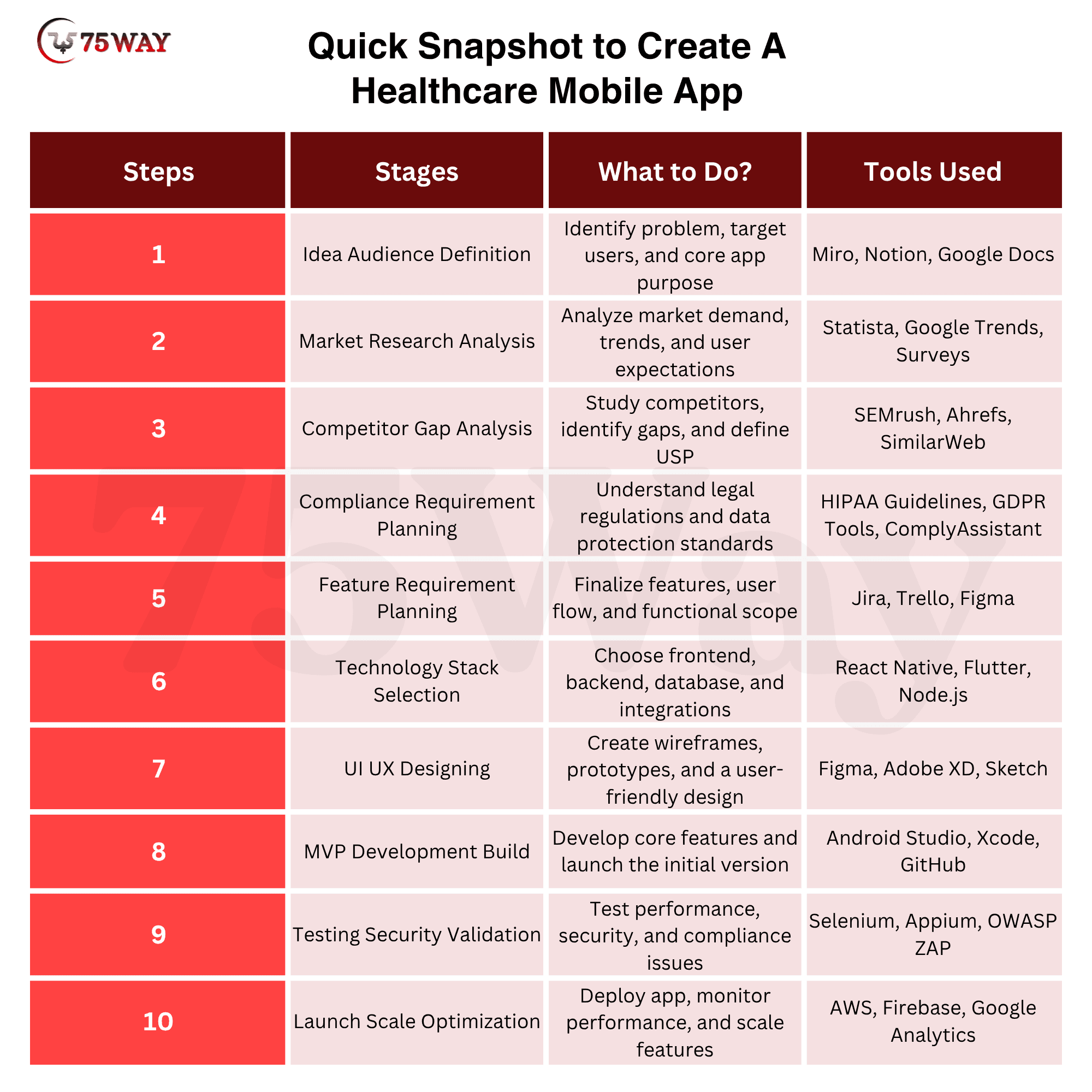
To streamline this process, tools like Miro, Notion, and Google Docs can help you brainstorm ideas, document requirements, and align your app’s purpose with real user needs.
Step 2: Conduct In-Depth Market Research
Once you clearly understand your target audience, the next step is to validate your idea through detailed market research. This helps you identify current market demand, emerging trends, and user expectations, ensuring your app is built on real opportunities, not assumptions.
Begin by analyzing your competitors to understand what they are offering and where they fall short. Identifying these gaps allows you to position your app with unique features and a stronger value proposition. This step also helps you refine your app’s functionalities based on what users actually need.
At the same time, it is crucial to evaluate regulatory requirements early. Since healthcare apps handle sensitive patient data (PHI), compliance with standards like HIPAA is essential for building trust and avoiding legal risks.
You can use tools like Statista, Google Trends, and surveys to gather insights, validate demand, and make data-driven decisions.
Step 3: Perform Competitive Analysis
After validating market demand, the next step is to analyze your competitors in detail. Competitive analysis helps you understand what is already working in the market and where opportunities exist to differentiate your app.
Start by identifying direct and indirect competitors offering similar healthcare solutions. Study their features, user experience, pricing models, and customer reviews. This will give you insights into what users like, what frustrates them, and what is missing.
The goal is not to replicate existing apps but to identify gaps and build a stronger, more user-focused solution. For example, if competitors lack seamless appointment booking or real-time health tracking, you can turn those gaps into your unique selling points.
Tools like SEMrush, Ahrefs, and SimilarWeb can help you analyze traffic, keywords, and competitor strategies, allowing you to position your app more effectively in the market.
Step 4: Understand Healthcare Regulations & Compliance
Healthcare app development goes beyond design and functionality. It requires strict attention to regulatory compliance. Since these applications manage sensitive patient data (PHI), adherence to legal frameworks is essential for building trust and ensuring data security.
Regulations such as HIPAA, GDPR, and other regional healthcare laws define how patient information must be collected, stored, and shared. These standards are not optional; they directly impact how your app is developed and deployed.
Security also plays a critical role in compliance. Features like data encryption, secure authentication, and controlled access must be integrated from the beginning to reduce risks and ensure safe data handling. Meeting these requirements early in development helps avoid legal complications and strengthens your app’s credibility in the healthcare ecosystem.
Step 5: Define Features & Functional Requirements
Once the idea, market demand, and compliance needs are clear, the next step is to define what your healthcare app will actually do. This phase focuses on translating your concept into a structured set of features and functional requirements that guide the entire development process.
A well-defined feature set ensures your app solves real user problems without unnecessary complexity. It also helps align stakeholders, developers, and designers on a shared product vision from the beginning.
At this stage, it is important to categorize features based on user roles such as patients, doctors, and administrators. This ensures that each user group gets a seamless and purpose-driven experience within the application. Documenting these requirements in tools like Jira, Trello, or Figma helps create a clear development roadmap, reduces confusion during execution, and improves overall product quality.
Step 6: Choose the Right Technology Stack
Selecting the right technology stack is a critical decision that directly impacts your healthcare app’s performance, scalability, and long-term success. It defines how efficiently your application will handle data, integrate with third-party systems, and deliver a smooth user experience across devices.
A strong tech stack typically includes choices for frontend, backend, database, APIs, and cloud infrastructure. For healthcare applications, it is especially important to prioritize security, scalability, and interoperability with systems like EHR/EMR platforms and wearable devices.
The selection should also align with your app’s complexity and future growth plans. A lightweight stack may work for an MVP, while enterprise-level applications require more robust and scalable architectures. Frameworks like Flutter, React Native, Node.js, and cloud platforms such as AWS or Firebase are commonly used to build secure and high-performing healthcare solutions.
Step 7: Design UI/UX for Maximum Adoption
UI/UX design is one of the most important factors in determining the success of a healthcare mobile application. It directly influences how easily users can interact with the app, access information, and complete tasks without confusion. A smooth and intuitive experience helps build trust and encourages long-term usage.
User expectations often vary depending on age and digital comfort. Older users generally prefer clean layouts, simple navigation, and larger text for better readability, while younger audiences are more comfortable with modern interfaces that include interactive elements and advanced functionality.
Design requirements also differ based on the target users. Healthcare professionals need fast, data-focused interfaces that support quick decision-making, whereas patients require a more simplified and guided experience for daily health-related tasks.
Additionally, the app must perform consistently across different screen sizes and devices. A well-balanced UI/UX strategy not only improves usability but also increases user adoption and overall satisfaction.
Step 8: Develop an MVP (Minimum Viable Product)
Building a Minimum Viable Product (MVP) is a crucial step in healthcare app development, as it allows you to launch a simplified version of your application with only the core features. This approach helps validate your idea in real market conditions before investing in full-scale development.
An MVP development focuses on solving the primary user problem effectively rather than offering a wide range of advanced features. By releasing an early version, you can gather real user feedback, understand usage patterns, and identify areas for improvement.
From a business perspective, an MVP also strengthens your position when approaching investors. A working prototype backed by user validation demonstrates market demand and reduces investment risk, making your project more attractive for funding and future scaling.
Step 9: Testing, Security Checks & Compliance Validation
Testing is one of the most critical stages in healthcare mobile app development, as it ensures the application is reliable, secure, and ready for real-world use. It involves evaluating every aspect of the app, from user experience and interface design to backend functionality and content accuracy.
Thorough testing not only helps reduce development costs and time but also minimizes bugs and improves overall product quality. In the healthcare domain, where data sensitivity is extremely high, even minor issues can lead to serious consequences.
Special attention must be given to the security of protected health information (PHI) and personally identifiable information (PII), ensuring full compliance with healthcare regulations. The functionality of core healthcare workflows should also be validated to ensure smooth performance under real usage conditions.
It is equally important to test the app in low connectivity environments, verify API security (especially for geolocation services), and ensure accurate data handling from multiple devices and sources. Comprehensive usability testing further guarantees that the app is intuitive and user-friendly for both patients and healthcare professionals.
Step 10: Launch, Monitor Performance & Scale
After final testing and refinement, the next stage is launching your healthcare app for end users. This is where your product enters the real market environment, and user interaction begins to shape its future direction. A well-planned launch ensures smooth deployment and a strong initial user experience.
However, launching the app is not the final step. Continuous monitoring is essential to track performance metrics such as user engagement, app stability, crash reports, and feature usage. These insights help identify areas that need improvement and guide future updates.
Healthcare app development is an ongoing process rather than a one-time effort. Regular updates, security patches, and feature enhancements are necessary to maintain compliance, improve performance, and meet evolving user needs. Consistent maintenance also impacts overall development cost but plays a vital role in ensuring long-term scalability, competitiveness, and user satisfaction in the healthcare industry.
Why Invest in Healthcare Mobile Apps in 2026?
Investing in healthcare mobile apps in 2026 is essential as digital health continues to reshape patient expectations and care delivery. Businesses can improve accessibility, enhance patient engagement, and streamline medical operations through mobile solutions. These apps also create new revenue opportunities while ensuring more efficient, data-driven, and patient-centric healthcare systems.
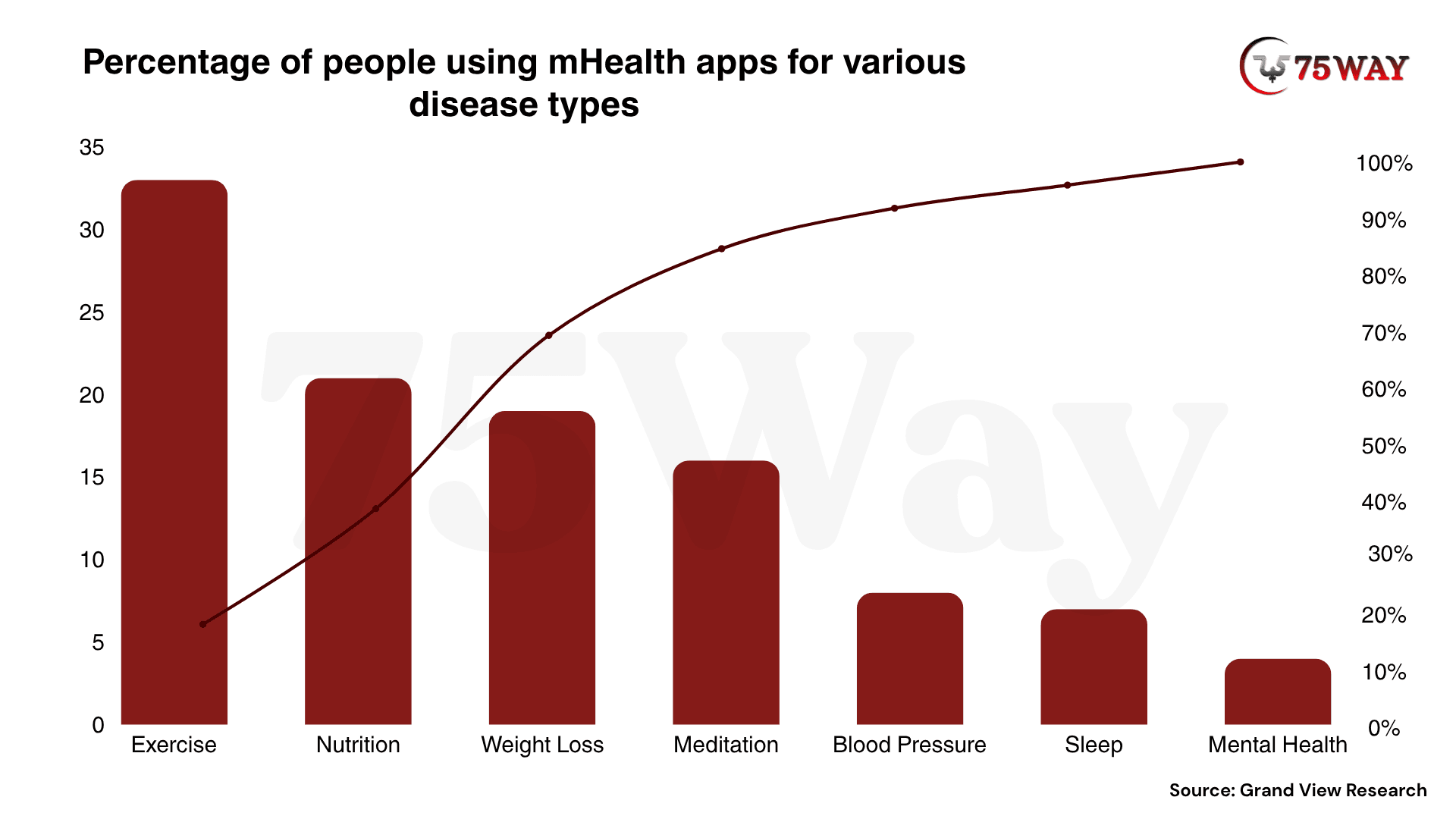
- Over 90% of individuals who have experienced virtual healthcare consultations are open to using such services again. Additionally, 37% already use monitoring devices for medical conditions, while 47% rely on devices for fitness and wellness tracking, as per Deloitte’s US Health Care Consumer Survey.
- Close to 90% of digital health startups do not succeed, largely due to weak execution strategies, lack of user trust, and excessive hype around their offerings.
- Healthcare applications that offer built-in virtual care services have experienced a 39% increase in download rates.
- Around 62% of users favor healthcare apps that can seamlessly integrate with wearable devices such as smartwatches and fitness trackers.
- Nearly 47% of newly launched healthcare applications now include AI-powered features like symptom analysis tools and customized health recommendations.
- According to Precedence Research, the global market for patient-centric healthcare apps is projected to reach nearly $72.87 billion by 2034, growing steadily at a CAGR of 17.21%.
- The North American mHealth app sector holds a leading position globally, accounting for approximately 37.7% of the total market revenue.
How mHealth Apps Are Transforming the Medical Industry?
A major reason iOS and Android healthcare app development has become widely adopted is the value it delivers to both patients and healthcare professionals. These solutions are reshaping how healthcare services are accessed and managed by improving convenience, communication, and efficiency across the system. Organizations that invest in healthcare applications can automate routine tasks, optimize internal workflows, and enhance the overall operational and financial performance of medical institutions.
In addition to core medical solutions, many companies are expanding into fitness app development as part of a preventive healthcare approach. These apps encourage users to focus on wellness through activity tracking, health insights, and personalized fitness guidance, helping them maintain healthier lifestyles over time.
Benefits of Healthcare Apps for Medical Professionals
Custom health and wellness app development can be complex, time-intensive, and costly, but it delivers significant long-term value. It improves patient care, streamlines operations, enhances data management, boosts efficiency, and creates strong growth opportunities for investors and healthcare stakeholders.
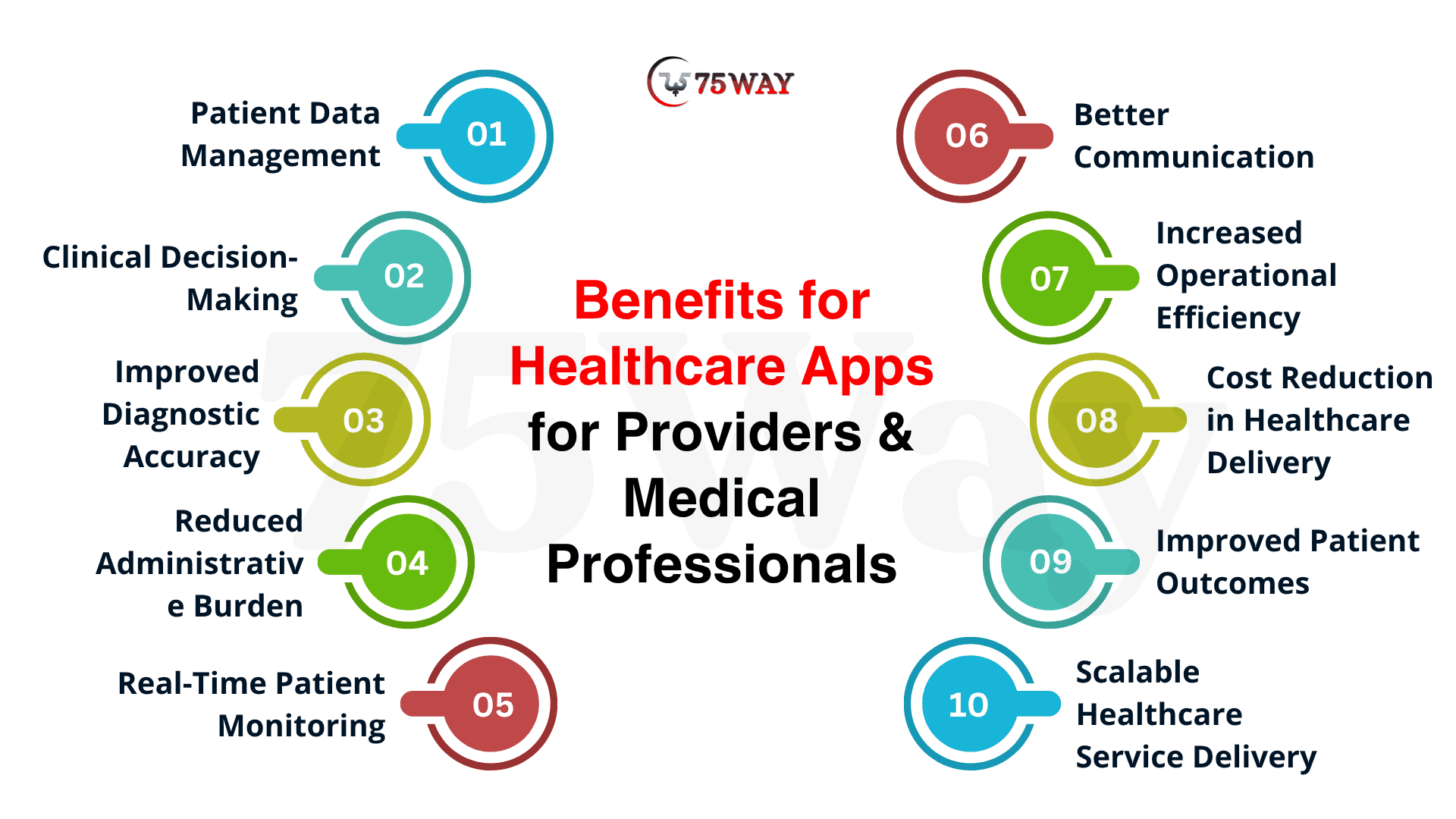
Patient Data Management: Healthcare applications centralize all patient-related information, including medical history, prescriptions, lab reports, and treatment records, into a secure digital system. This eliminates fragmented data storage and ensures healthcare providers can access complete patient information whenever required.
With structured and real-time data availability, coordination between doctors, hospitals, and labs becomes more efficient. It also minimizes documentation errors, strengthens data security, and ensures compliance with healthcare regulations, ultimately improving the quality and speed of care delivery.
Clinical Decision-Making: Medical professionals benefit from healthcare apps by gaining access to structured patient data, diagnostic history, and analytical insights that support informed treatment decisions. These tools help interpret complex medical information quickly and effectively.
By reducing dependency on manual interpretation, clinicians can focus on more accurate and evidence-based decisions. This also enhances collaboration among specialists, ensuring that treatment strategies are well-informed, consistent, and aligned with patient conditions.
Improved Diagnostic Accuracy: Healthcare systems powered by digital tools assist in reducing diagnostic errors through AI-driven insights, symptom tracking, and comprehensive patient data analysis. This ensures that medical evaluations are based on complete and accurate information.
As a result, conditions can be identified at earlier stages, improving the chances of successful treatment. It also increases reliability in diagnosis, helping healthcare professionals deliver more precise and confident medical assessments.
Reduced Administrative Burden: Routine administrative tasks such as appointment scheduling, billing, documentation, and reporting are automated through healthcare applications. This significantly reduces manual workload for hospital staff and improves overall workflow management.
With fewer repetitive tasks, healthcare professionals can dedicate more time to patient care. It also enhances operational speed, reduces paperwork dependency, and lowers the chances of administrative errors within healthcare institutions.
Real-Time Patient Monitoring: Continuous tracking of patient health becomes possible through integration with wearable devices and connected healthcare systems. Vital parameters like heart rate, oxygen levels, and glucose readings can be monitored instantly.
This real-time visibility allows doctors to respond quickly to critical changes in patient conditions. It is particularly valuable for chronic illness management, post-operative care, and remote healthcare services.
Better Communication: Seamless interaction between patients and healthcare providers is enabled through integrated chat systems, video consultations, and instant messaging features. This improves accessibility and reduces communication delays.
It also ensures that medical instructions, reports, and updates are shared clearly and efficiently. As a result, patient engagement improves, and misunderstandings in treatment plans are significantly reduced.
Increased Operational Efficiency: Healthcare workflows become more streamlined with automation in scheduling, patient onboarding, record handling, and reporting processes. This reduces dependency on manual operations and improves service speed.
Hospitals and clinics benefit from optimized resource utilization and faster decision-making. It ultimately leads to smoother day-to-day operations and improved overall healthcare service delivery.
Cost Reduction in Healthcare Delivery: Digital healthcare solutions help reduce operational expenses by minimizing paperwork, manual processes, and resource wastage. Automation lowers staffing pressure and improves efficiency across departments.
This cost optimization allows healthcare providers to allocate resources more effectively. It also makes healthcare services more affordable and accessible to a wider population.
Improved Patient Outcomes: Better coordination among healthcare providers, timely access to patient information, and continuous health monitoring significantly enhance the overall effectiveness of treatment. Healthcare applications ensure that patients receive accurate diagnoses and appropriate care at the right moment without unnecessary delays.
This results in faster recovery, fewer medical complications, and improved patient satisfaction levels. With consistent and centralized data access, doctors can design more personalized treatment plans that align closely with individual patient needs, ultimately improving long-term health outcomes.
Scalable Healthcare Service Delivery: Healthcare applications are built to handle increasing patient demands while maintaining smooth and reliable performance. Cloud-based infrastructure allows healthcare systems to expand easily across multiple locations without affecting service quality or speed.
This scalability enables hospitals and medical organizations to manage larger patient volumes efficiently while optimizing resources. It also supports digital transformation initiatives, allowing healthcare providers to grow their services seamlessly and adapt to evolving industry requirements in a flexible, future-ready manner.
Benefits of mHealth App Development for Patients & End Users
Mobile health (mHealth) apps serve multiple purposes that directly benefit patients and general users by making medical services more accessible and efficient. By using the widespread reach of mobile devices, these applications simplify healthcare access, improve communication with providers, and enhance overall patient experience. Below are some important benefits of hospital mobile apps for patients:
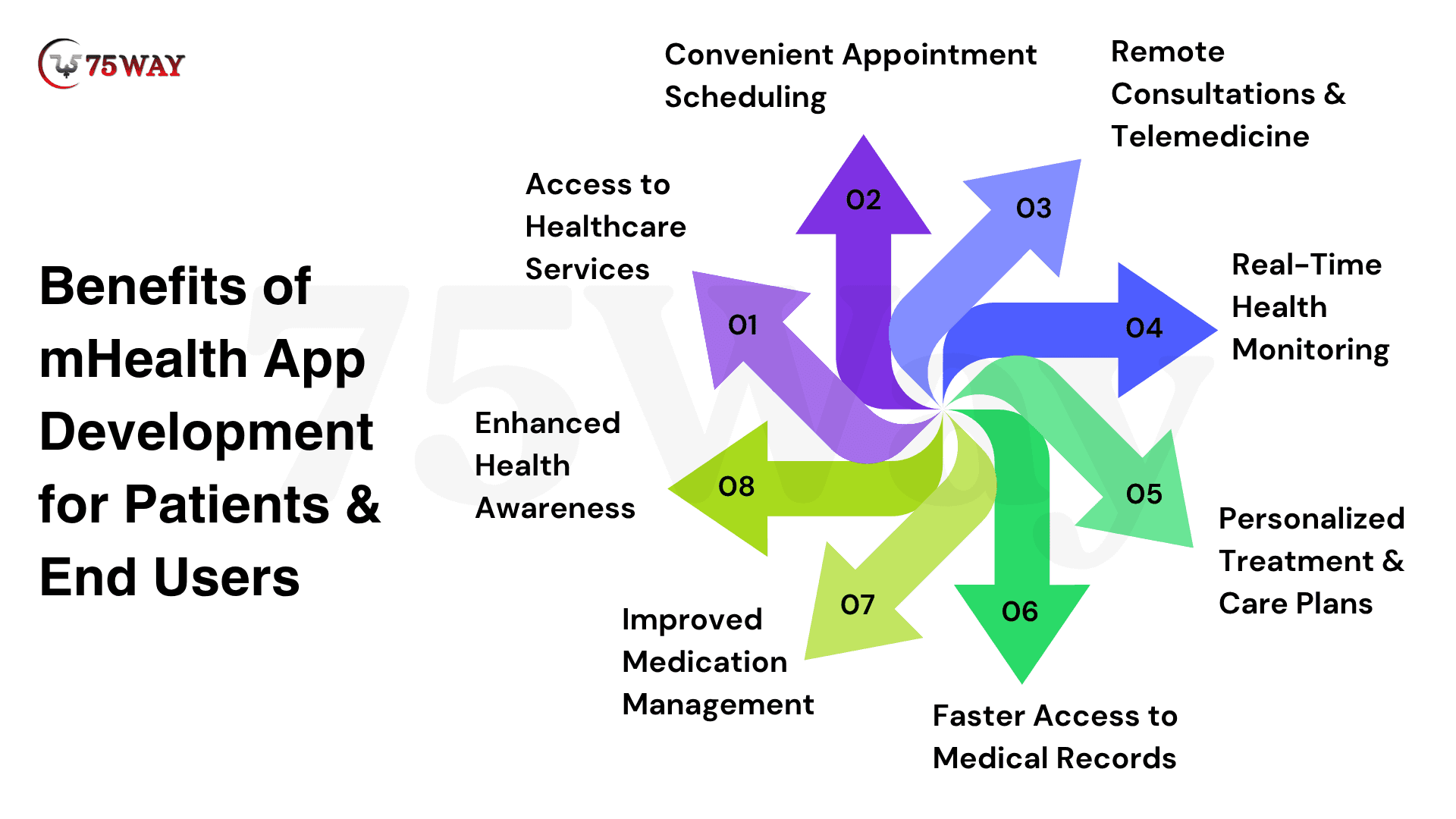
Access to Healthcare Services: Healthcare apps make medical services more accessible by connecting patients with doctors, hospitals, and specialists anytime and from anywhere. This eliminates geographical barriers and reduces the need for physical visits, especially for routine consultations.
Patients can quickly find relevant healthcare providers, check availability, and receive timely support. This improves healthcare reach, particularly in remote areas, and ensures that individuals get medical attention whenever needed without unnecessary delays.
Convenient Appointment Scheduling: Appointment scheduling becomes simple and hassle-free through healthcare applications, allowing users to book, reschedule, or cancel visits in just a few taps. This reduces waiting time and improves overall patient convenience.
It also helps hospitals manage patient flow more efficiently by reducing overcrowding and administrative workload. Automated reminders further ensure that patients do not miss important consultations or follow-ups, improving continuity of care.
Remote Consultations & Telemedicine: Healthcare apps enable patients to connect with doctors through video calls, audio consultations, and chat support without visiting a clinic or hospital. This makes medical advice more accessible and convenient, especially for routine checkups and follow-ups.
It reduces travel time, lowers consultation costs, and ensures timely access to specialists. Patients in remote or underserved regions can easily receive quality healthcare, improving overall accessibility and continuity of treatment.
Real-Time Health Monitoring: Healthcare applications integrated with wearable devices allow continuous tracking of vital signs such as heart rate, blood pressure, oxygen levels, and glucose readings. This data is updated in real time for better health visibility.
Doctors can remotely monitor patient conditions and identify risks early. This is highly useful for chronic disease management and post-surgery recovery, ensuring faster medical response and improved patient safety.
Personalized Treatment & Care Plans: Healthcare applications use patient data, medical history, lifestyle details, and reported symptoms to design customized treatment plans that match individual health needs. This ensures that care delivery is more targeted, accurate, and effective for each patient.
Doctors can continuously monitor progress and modify medications or therapies based on real-time responses. This improves treatment precision, increases patient trust, and leads to better recovery rates along with stronger long-term health outcomes and overall satisfaction.
Faster Access to Medical Records: Digital healthcare systems provide instant access to complete patient records, including prescriptions, diagnostic reports, treatment history, and lab results. This removes the dependency on physical files and reduces delays in retrieving important information.
With quick and accurate data availability, doctors can make faster clinical decisions and avoid errors. It also improves coordination among multiple healthcare providers, ensuring smooth continuity of care throughout the patient’s treatment journey and medical follow-ups.
Improved Medication Management: Healthcare apps support patients in managing their medications through automated reminders, dosage tracking, and timely refill alerts. This helps ensure that medicines are taken correctly and consistently without missed doses or confusion.
Stronger medication adherence leads to faster recovery, better disease control, and improved overall health stability. It also minimizes the risk of complications caused by incorrect usage, overdosing, or irregular intake of prescribed medicines over time.
Enhanced Health Awareness: Businesses can build healthcare applications to educate users about diseases, symptoms, preventive care, and healthy lifestyle practices through regular updates and personalized insights. This helps individuals stay more informed about their health conditions and risks.
Continuous guidance and reminders encourage users to adopt healthier habits in daily life. As a result, preventive care improves, early detection becomes easier, and the chances of developing serious health issues are significantly reduced over time.
Types of Healthcare Mobile Apps You Can Build
Healthcare app development includes a wide variety of applications designed to improve healthcare delivery and support overall wellness. Based on their purpose and target users, healthcare applications are generally divided into two main categories: solutions for medical professionals and solutions for general users. Let’s explore the primary types of healthcare apps under each category.
Apps for Hospitals & Healthcare Professionals
These healthcare applications are designed to provide significant value to medical staff, hospitals, clinics, doctors, and physicians. Because they support critical healthcare operations and decision-making, they are built with advanced functionality, high reliability, and strong security features. Below are some commonly used healthcare mobile apps for professionals:
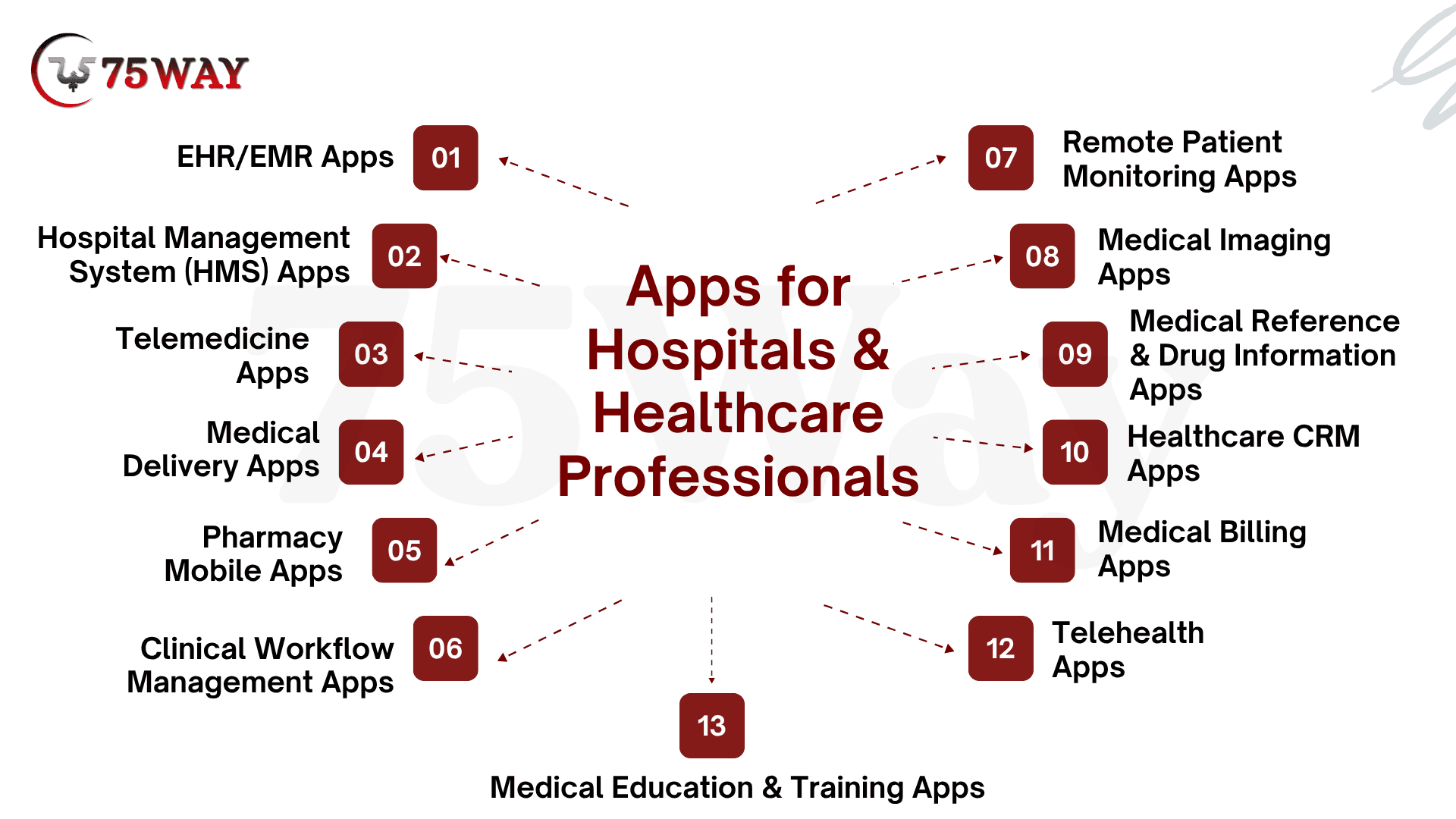
EHR/EMR Apps: EHR/EMR apps digitize patient health records, allowing healthcare providers to store, access, and update medical information efficiently. These systems include patient history, prescriptions, test results, and treatment plans in one secure platform.
They improve coordination between departments and reduce paperwork errors. With real-time access to data, doctors can make faster and more accurate clinical decisions, enhancing overall patient care quality and healthcare workflow efficiency.
Hospital Management System (HMS) Apps: Solutions like Healthray Hospital Management System further enhance operational efficiency by offering real-time data access, seamless patient management, automated billing, and improved coordination across all hospital departments. HMS apps streamline hospital operations by managing patient admissions, staff scheduling, billing, inventory, and appointments from a centralized platform. They help automate administrative processes and reduce manual workload.
These systems improve coordination across departments and ensure smoother hospital functioning. By enhancing operational efficiency, HMS apps allow healthcare providers to focus more on patient care while maintaining better resource management and service delivery.
Telemedicine Apps: Telemedicine apps enable remote consultations between doctors and patients through video calls, voice calls, or chat systems. They make healthcare more accessible without requiring physical visits to clinics or hospitals.
These apps are especially useful for follow-ups, minor illnesses, and patients in remote areas. They reduce travel time, improve healthcare accessibility, and ensure continuous medical support while maintaining convenience and efficiency.
Medical Delivery Apps: Medical delivery apps facilitate the doorstep delivery of medicines, lab samples, and healthcare products. They connect pharmacies, hospitals, and logistics providers to ensure timely delivery services.
These apps improve patient convenience by reducing the need to visit pharmacies physically. They are particularly beneficial for elderly patients and those with chronic conditions requiring regular medication supply and uninterrupted treatment access.
Pharmacy Mobile Apps: Pharmacy mobile applications enable users to conveniently order medicines online, upload prescriptions, and track delivery status in real time. These apps also provide detailed information about drug availability, pricing comparisons, and suitable substitutes, helping users make informed choices.
In addition to improving patient convenience, these platforms help pharmacies expand their customer base and streamline operations. They ensure faster access to essential medications, reduce dependency on physical store visits, and enhance overall medication management efficiency, especially for chronic care patients.
Clinical Workflow Management Apps: Clinical workflow management apps are designed to organize and automate daily hospital and clinic operations such as patient scheduling, documentation, treatment tracking, and inter-department coordination. They help healthcare staff manage tasks more efficiently within a structured digital system.
By reducing delays and improving communication between medical teams, these apps significantly enhance operational productivity. They also minimize administrative workload, ensure smoother patient flow, and contribute to faster, more organized, and error-free healthcare service delivery.
Remote Patient Monitoring Apps: Remote patient monitoring applications collect and track real-time health data such as heart rate, blood pressure, glucose levels, and oxygen saturation using connected devices and wearables. This data is continuously shared with healthcare providers for ongoing evaluation.
These apps are especially beneficial for chronic disease management, elderly care, and post-treatment recovery. They enable early detection of health issues, allow timely medical intervention, and improve patient safety by reducing the need for frequent hospital visits.
Medical Imaging Apps: Medical imaging applications allow healthcare professionals to digitally access, view, store, and analyze diagnostic images such as X-rays, CT scans, and MRIs. This improves accessibility and speeds up the diagnostic process.
These apps enhance collaboration among specialists by enabling easy image sharing and review. They also improve diagnostic accuracy, support faster clinical decisions, and streamline radiology workflows, leading to more efficient and reliable patient care.
Medical Reference & Drug Information Apps: Medical reference and drug information apps provide instant access to updated medical databases, drug details, clinical guidelines, and disease-related information. These tools support healthcare professionals at the point of care.
They assist in making accurate prescribing decisions and reducing the risk of medication errors. By ensuring access to evidence-based medical knowledge, these apps enhance clinical efficiency and improve the overall quality of patient treatment.
Healthcare CRM Apps: Healthcare CRM applications help hospitals and clinics manage patient relationships, communication, appointment history, and follow-ups through a centralized system. They ensure structured interaction tracking across the patient journey.
These apps improve patient engagement and retention by enabling personalized communication and timely follow-ups. They also support marketing efforts, feedback collection, and service improvement strategies for healthcare organizations.
Medical Billing Apps: Medical billing applications automate financial processes such as invoicing, insurance claims, payment tracking, and revenue cycle management for healthcare providers. They reduce dependency on manual accounting systems.
These apps minimize billing errors, speed up payment processing, and improve financial transparency. They also help healthcare organizations maintain compliance with regulations while ensuring efficient and accurate revenue management.
Telehealth Apps: Telehealth applications integrate remote consultations, digital communication, and basic health monitoring into a single platform. They allow patients to connect with healthcare providers without physical visits.
These apps improve accessibility to medical care, reduce hospital congestion, and enhance patient engagement. They play a key role in modern healthcare delivery by enabling continuous, convenient, and flexible medical support. Some telehealth platforms also support digital prescription workflows following an appropriate medical consultation. Access to an Updoc electronic prescription demonstrates how this functionality can make prescribed treatment more convenient while reducing reliance on paper-based processes.
Medical Education & Training Apps: You can build mHealth education and training apps that provide digital learning tools such as interactive modules, simulations, case studies, and clinical training resources for students and professionals. They support continuous skill development.
These platforms enhance medical knowledge through accessible and flexible learning formats. They also ensure healthcare professionals stay updated with the latest advancements, improving overall clinical competency and healthcare service quality.
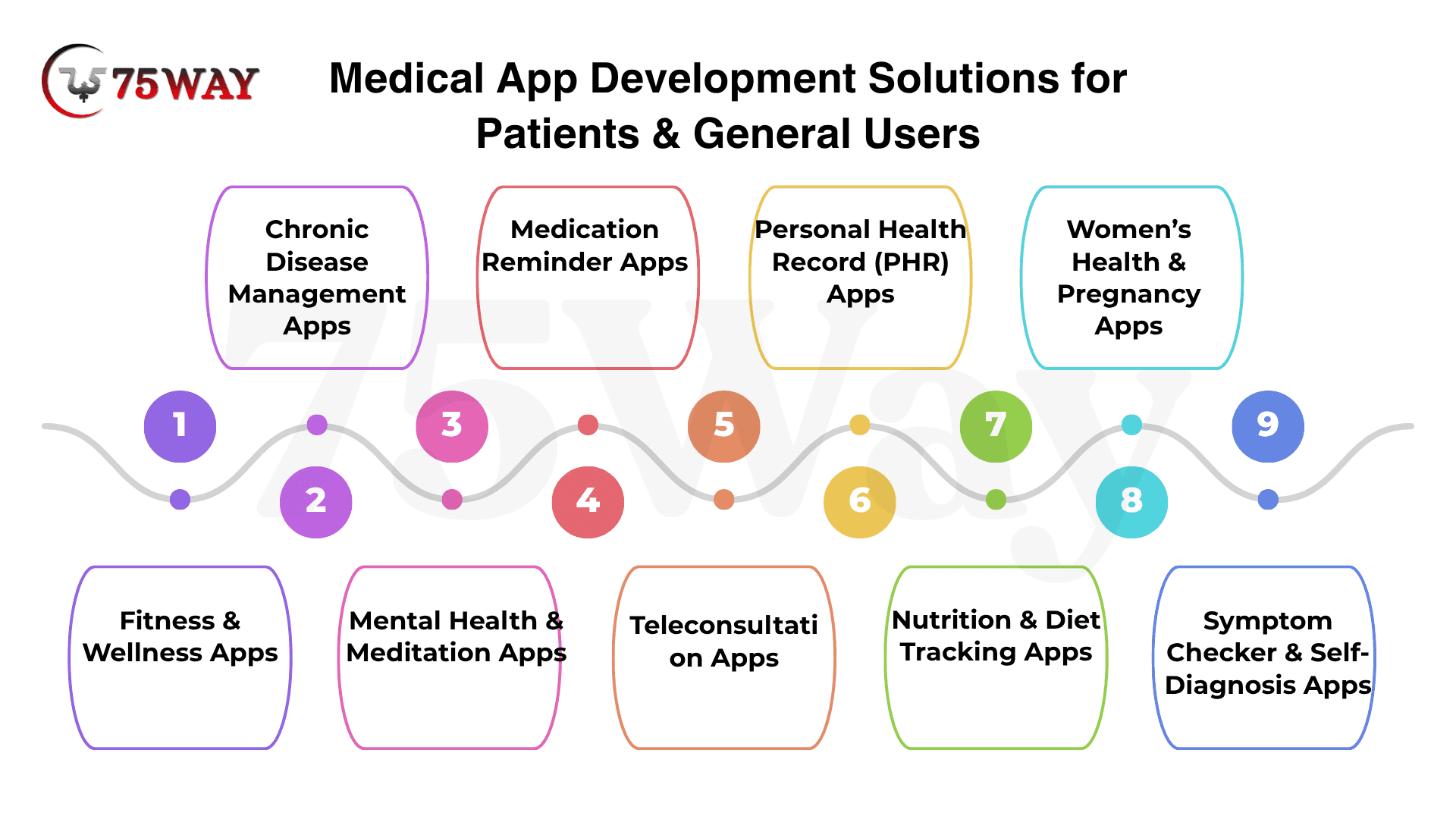
Medical App Development Solutions for Patients & General Users
Healthcare applications designed for patients aim to simplify everyday health management and improve access to essential medical services. These apps provide basic yet meaningful medical support that helps users manage their well-being more effectively. They are easy to use and valuable across various aspects of personal health and wellness. Below are the different types of healthcare mobile applications developed for patients:
Key Challenges in Healthcare Mobile App Development & How to Solve Them
Before starting healthcare app development, it is important to understand that these projects come with both significant opportunities and risks. The healthcare sector handles highly sensitive data, making security and compliance a top priority. According to IBM’s Cost of a Data Breach Report 2024, the average cost of a healthcare data breach reached approximately $10.93 million, making it the most expensive industry for data security incidents. This highlights the critical need for strong security measures, encryption, and regulatory compliance when building healthcare applications.
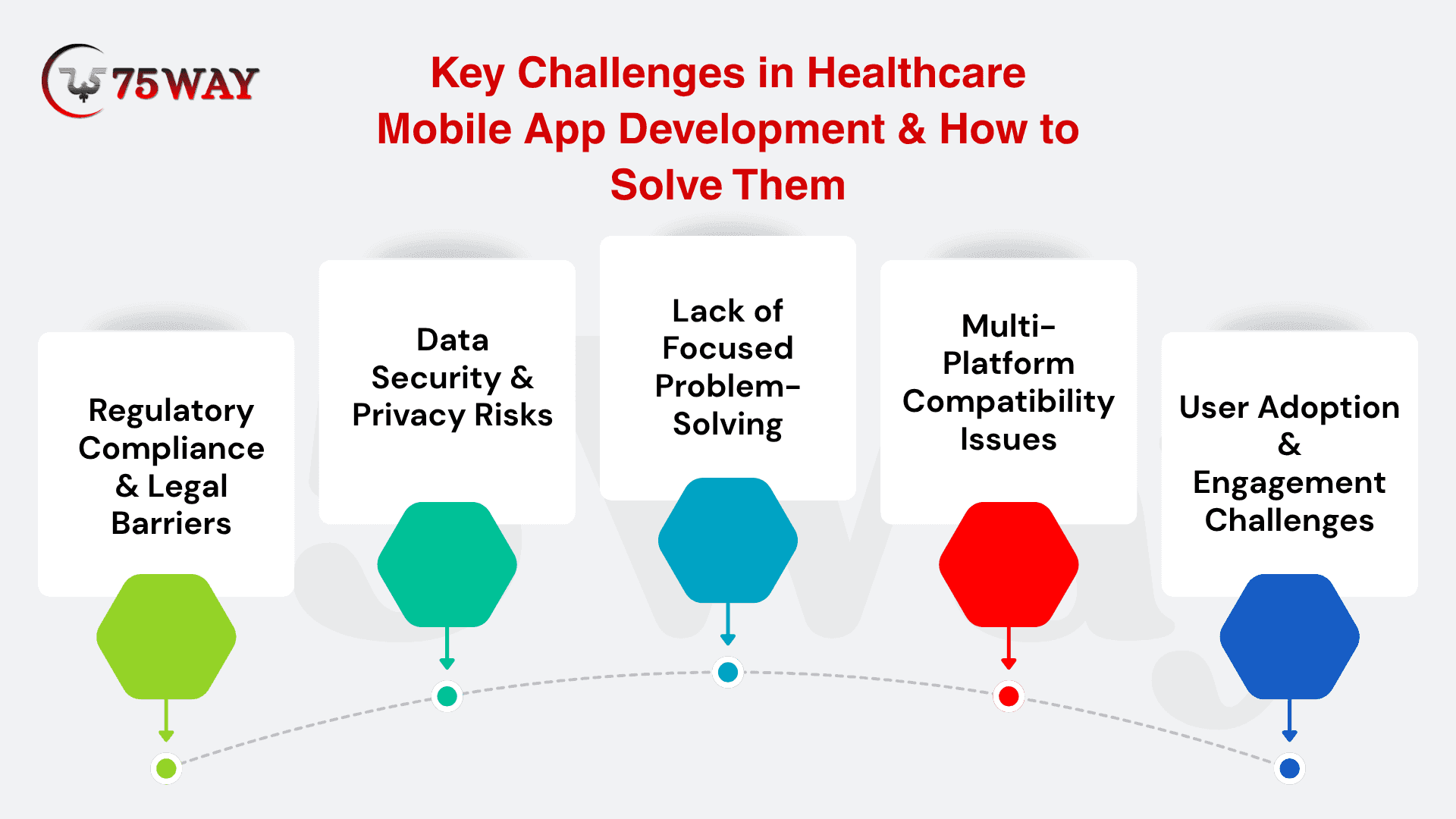
Regulatory Compliance & Legal Barriers: Healthcare applications must comply with strict regulations such as HIPAA, GDPR, and other regional healthcare laws. These frameworks govern how patient data is collected, stored, and shared. Meeting these legal requirements can be complex and time-consuming, requiring continuous updates, audits, and strong security practices to avoid penalties and ensure compliance.
Data Security & Privacy Risks: Healthcare apps handle highly sensitive patient information, making them prime targets for cyberattacks and data breaches. Ensuring data encryption, secure authentication, and safe storage is essential. Any vulnerability can lead to severe financial loss, legal issues, and loss of user trust, making robust cybersecurity a critical development priority.
Lack of Focused Problem-Solving: Many healthcare apps fail because they do not address a specific user problem clearly. Without a well-defined purpose, apps become overly complex or lack essential features. Successful solutions require deep understanding of user needs, ensuring that the app solves real healthcare challenges rather than offering unnecessary functionalities.
Multi-Platform Compatibility Issues: Healthcare applications must work smoothly across multiple devices, operating systems, and screen sizes. Differences in Android and iOS performance, along with wearable integration challenges, can create inconsistencies. Ensuring seamless functionality requires careful testing, responsive design, and optimized development practices to deliver a consistent user experience across all platforms.
User Adoption & Engagement Challenges: Even well-designed healthcare apps struggle if users do not actively engage with them. Patients may find apps complicated or unnecessary, leading to low retention rates. To overcome this, developers must focus on intuitive design, personalization, reminders, and valuable features that encourage continuous usage and long-term engagement.
Best Practices for Building A Custom Healthcare Mobile App
Building a custom healthcare mobile app requires a strong focus on security, compliance, and user-centric design. Developers should prioritize data protection, ensure regulatory compliance, and create intuitive interfaces for patients and doctors. Regular testing, scalable architecture, and integration with advanced technologies like AI and wearables further enhance reliability, performance, and user trust.
Ensure Regulatory Compliance (HIPAA, GDPR, etc.): Healthcare apps must strictly follow regulations like HIPAA and GDPR to protect sensitive patient data. Compliance ensures legal safety, builds user trust, and prevents penalties. Regular audits, documentation, and updates help maintain adherence to evolving healthcare laws and standards.
Focus on a Single Core Problem: Successful healthcare apps solve one clearly defined problem instead of offering too many features. This approach ensures better usability, stronger value delivery, and higher user satisfaction. A focused solution improves adoption rates and makes development more efficient and effective.
Build Secure & Scalable Architecture: A secure and scalable architecture is required to handle growing user data and traffic. It ensures performance stability, data protection, and seamless expansion. Scalable systems support long-term growth while maintaining reliability and operational efficiency.
Enable Interoperability: Interoperability ensures healthcare applications can seamlessly exchange and share data with different systems, such as hospitals, labs, pharmacies, and third-party platforms. It creates a unified healthcare ecosystem where patient information flows securely and efficiently across providers. This improves collaboration, reduces duplication, and supports faster, more accurate clinical decision-making.
Optimize for User Experience & Accessibility: Healthcare apps must be designed with simplicity and inclusivity in mind to ensure ease of use for all users, including elderly and differently-abled individuals. Clear navigation, readable fonts, intuitive layouts, and responsive design enhance accessibility. A smooth user experience increases engagement, improves adoption rates, and builds long-term trust.
Select Precise API & EHR Integration: Choosing accurate APIs and integrating Electronic Health Record (EHR) systems ensures smooth data exchange between healthcare platforms. It enables real-time access to patient records, reduces manual data entry, and improves workflow efficiency. Proper integration enhances system reliability, supports better coordination, and ensures more accurate and timely healthcare delivery.
Implement Robust Security Measures: Strong security measures are essential to protect sensitive healthcare data from unauthorized access and cyber threats. Techniques such as encryption, multi-factor authentication, secure APIs, and regular vulnerability testing help safeguard patient information. Robust security builds user trust, ensures regulatory compliance, and maintains the integrity and confidentiality of healthcare systems.
Must-Have Features in Your Healthcare Mobile Application
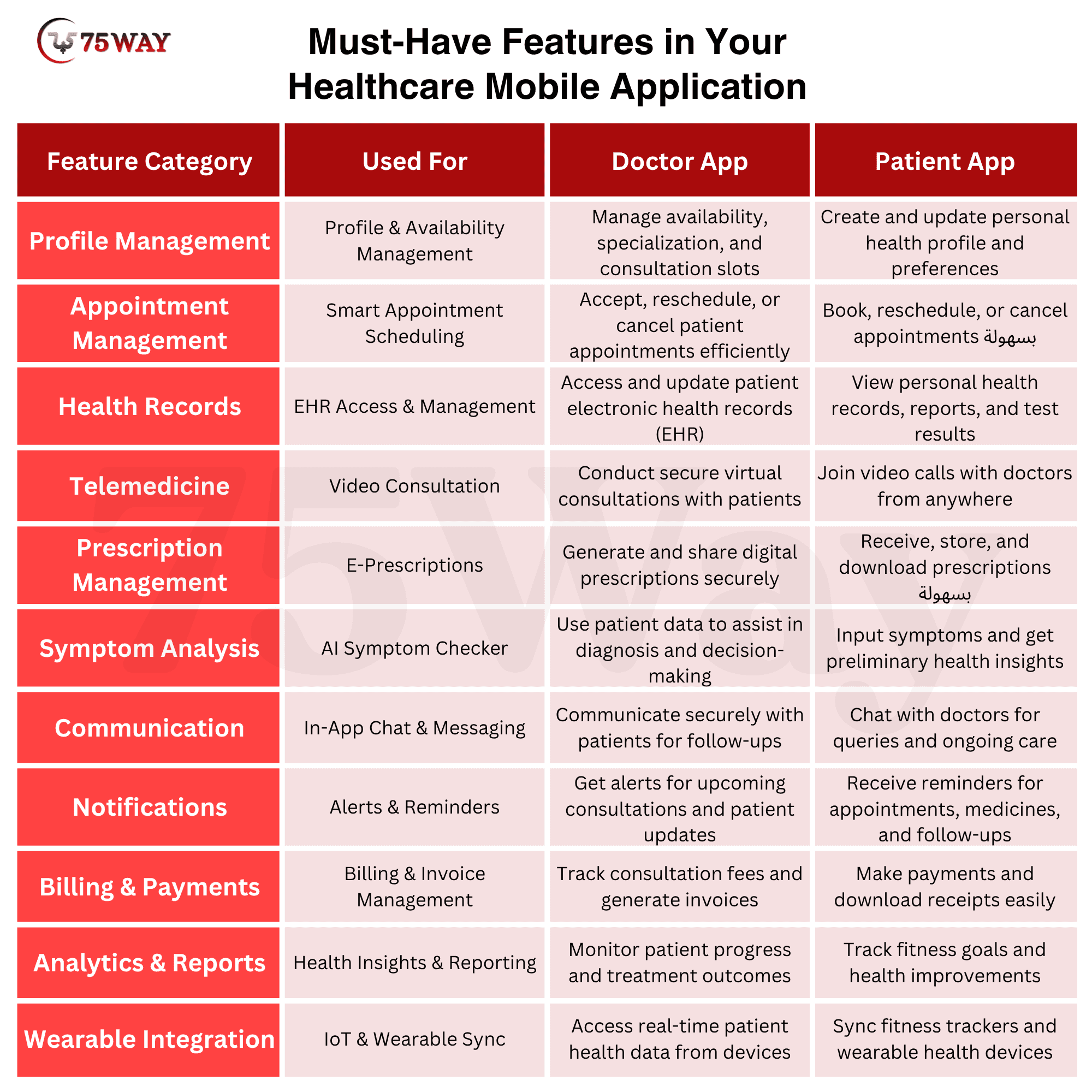
Although there are numerous features that can be integrated into a hospital or medical application, including too many unnecessary functionalities can significantly increase development time, cost, and complexity. It may also make the app confusing and difficult for everyday users to navigate. Successful healthcare applications focus only on essential, value-driven features that enhance user experience and improve healthcare delivery.
In well-designed healthcare systems, both doctor-facing and patient-facing apps share a common goal but differ in functionality. Doctor apps are typically more advanced, supporting clinical workflows, diagnostics, and patient management, while patient apps focus on accessibility, convenience, and self-care. To better understand these differences, the following comparison highlights the key features of both app types in a healthcare development context.
Admin Panel Features in Healthcare Application
The admin panel in a healthcare application manages overall system operations, including user management, doctor verification, appointment scheduling, and data monitoring. It provides centralized control over patient records, analytics, and system performance. Admins can ensure security compliance, manage content updates, handle disputes, and maintain smooth coordination across the entire healthcare platform.
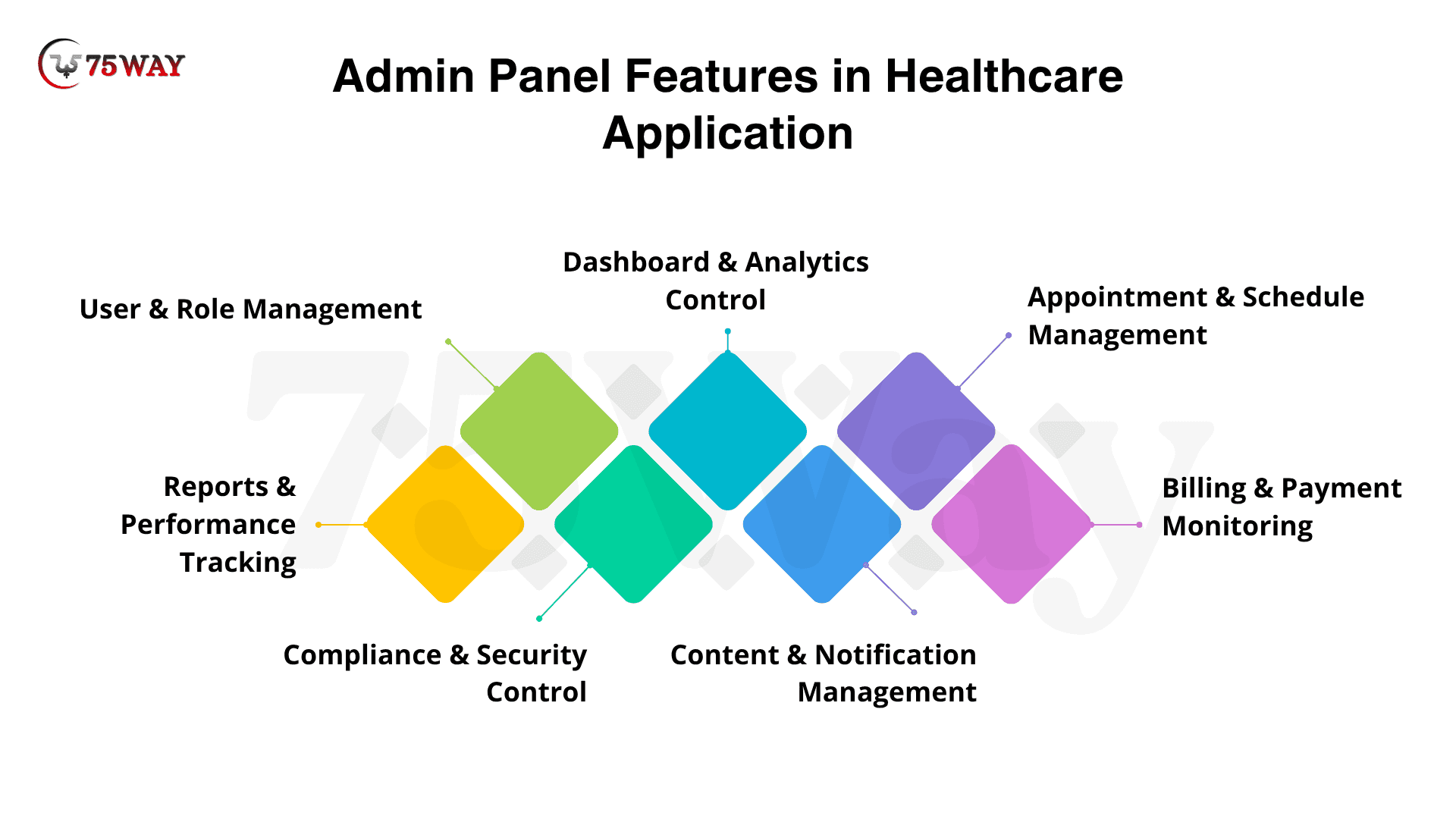
User & Role Management: Manages different users like doctors, patients, and admins with role-based access control. It ensures secure permissions, controlled data access, and smooth platform operation across all healthcare stakeholders.
Dashboard & Analytics Control: Provides real-time insights into app performance, patient activity, and operational metrics. Helps administrators make data-driven decisions, track trends, and optimize healthcare service delivery effectively.
Appointment & Schedule Management: Allows seamless booking, rescheduling, and cancellation of appointments. It helps reduce conflicts, improve time management, and ensure smooth coordination between patients and healthcare providers.
Billing & Payment Monitoring: Handles invoicing, payment tracking, and transaction history in one place. It ensures accurate billing, transparency, and faster financial processing within healthcare systems.
Content & Notification Management: Enables administrators to manage app content, health updates, and push notifications. It ensures timely communication with users and keeps them informed about important healthcare information.
Compliance & Security Control: Ensures the app follows healthcare regulations and maintains strict data protection standards. It monitors access control, encryption, and system security to safeguard sensitive patient information.
Reports & Performance Tracking: Generates detailed reports on usage, performance, and healthcare operations. It helps identify improvements, monitor efficiency, and support strategic decision-making for better healthcare outcomes.
Advanced Features Used To Create mHealth App
Modern mHealth apps use AI diagnostics, wearable integration, telemedicine, cloud storage, blockchain security, and predictive analytics. These advanced technologies enhance accuracy, improve patient care, and ensure scalable, efficient, and intelligent healthcare solutions.
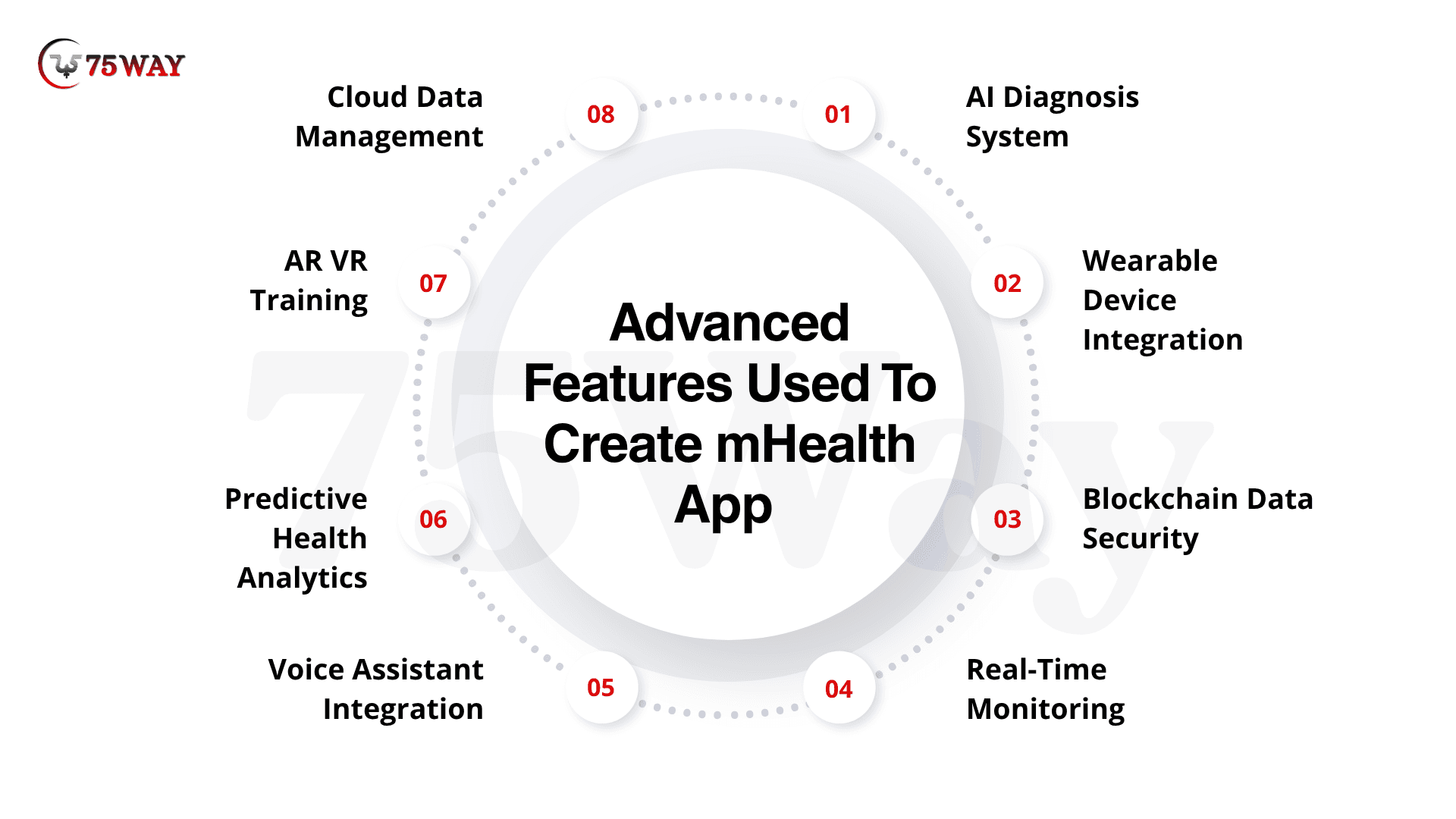
AI Diagnosis System: AI diagnosis systems analyze patient symptoms, medical history, and test results to suggest possible conditions. They assist doctors in faster and more accurate decision-making, improve early detection of diseases, and enhance overall diagnostic efficiency and healthcare outcomes.
Wearable Device Integration: Wearable integration connects devices like smartwatches and fitness trackers with healthcare apps to collect real-time health data, such as heart rate and activity levels. It enables continuous monitoring, early risk detection, and better personalized care management for patients.
Blockchain Data Security: Blockchain protects healthcare data through decentralized and encrypted storage. It ensures data integrity, prevents unauthorized access, and creates transparent medical records. This technology enhances trust, improves data sharing, and strengthens overall cybersecurity in healthcare systems.
Real-Time Monitoring: Real-time monitoring continuously tracks patient health metrics like glucose levels, blood pressure, and oxygen saturation. It allows doctors to receive instant updates, detect abnormalities early, and provide timely interventions for improved patient safety and care outcomes.
Voice Assistant Integration: AI voice assistants enable users to interact with healthcare apps using voice commands. It helps patients book appointments, set medication reminders, and access health information easily, improving accessibility, convenience, and hands-free usability for all users.
Predictive Health Analytics: Predictive analytics uses historical and real-time health data to forecast potential diseases and risks. It helps healthcare providers take preventive actions, improve treatment planning, and reduce hospitalizations through early intervention and data-driven insights.
AR/VR Training: AR and VR training simulate real-life medical scenarios for students and professionals. It enhances practical learning, surgical training, and skill development in a safe virtual environment, improving knowledge retention and clinical performance.
Cloud Data Management: Cloud data management stores and organizes healthcare data securely on remote servers. It ensures easy access, scalability, and backup of medical records, enabling seamless data sharing, improved collaboration, and efficient healthcare system performance.
Latest Trends in Healthcare App Development
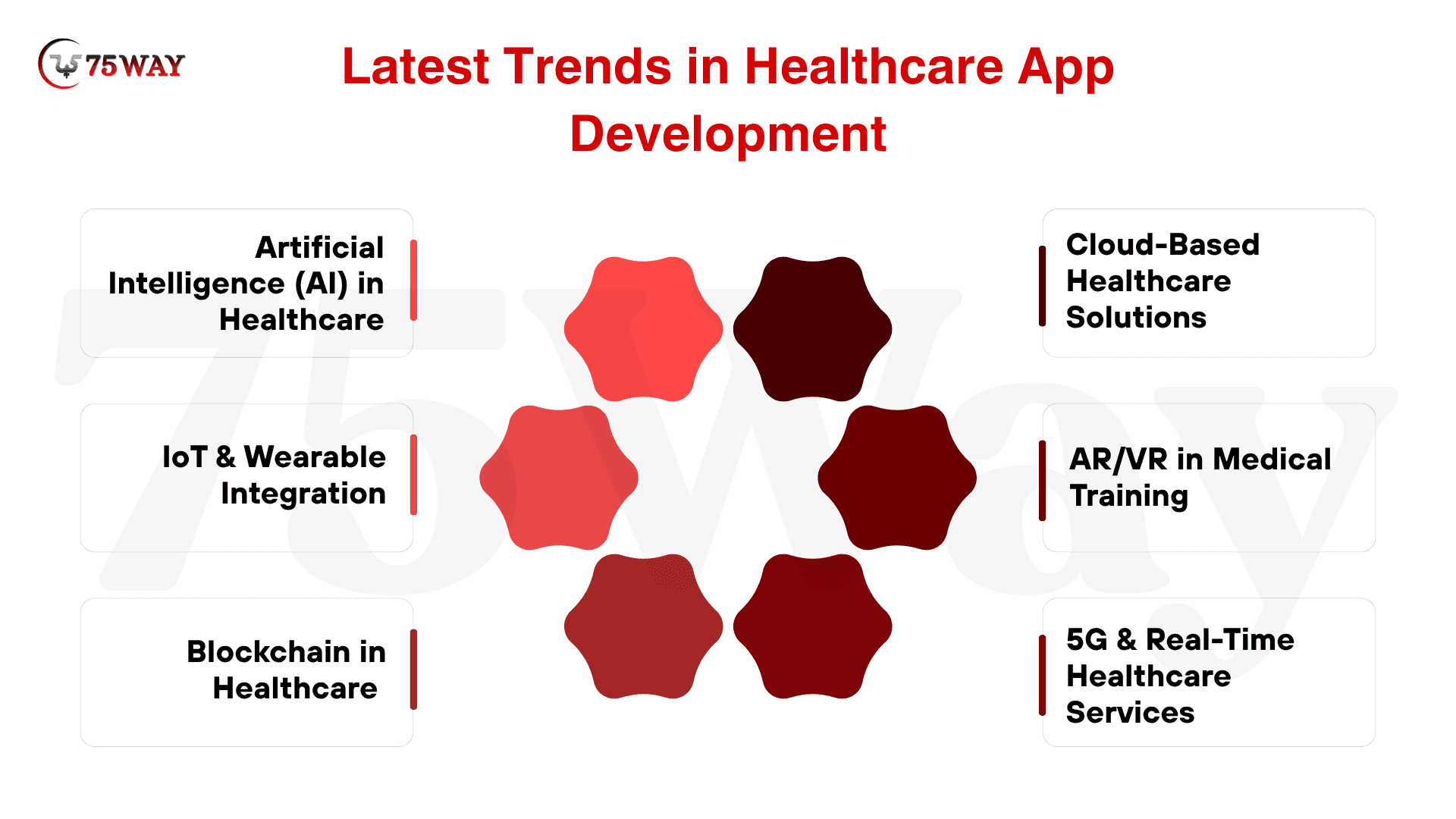
Healthcare organizations are rapidly adopting emerging technologies to transform healthcare application development. The integration of advanced digital tools helps streamline clinical workflows, improve patient outcomes, reduce manual administrative efforts, and increase overall operational efficiency. These innovations are also enabling more connected, data-driven, and patient-centric healthcare systems.
Artificial Intelligence (AI) in Healthcare
Artificial Intelligence in healthcare uses machine learning algorithms and data analysis to support diagnosis, treatment planning, and patient care. It helps detect diseases early, predict health risks, automate administrative tasks, and improve clinical decision-making, making healthcare more accurate, efficient, and personalized.
- AI-Powered Diagnostics & Imaging: Uses AI to analyze medical images for faster, more accurate disease detection.
- Predictive Analytics for Early Disease Detection: Analyzes health data to predict diseases early and support preventive care.
- AI Chatbots & Virtual Health Assistants: Provides instant medical guidance, symptom checking, and patient support through AI conversations.
- Personalized Treatment & Precision Medicine: Uses patient data to create customized treatment plans for better outcomes.
- AI-Driven Drug Discovery & Development: Accelerates medicine development by analyzing data to identify effective drug compounds faster.
IoT & Wearable Integration
IoT and wearable integration in healthcare connects smart devices like fitness trackers, sensors, and medical monitors to apps for real-time data collection. It enables continuous tracking of vital signs, improves remote patient monitoring, supports early diagnosis, and enhances personalized healthcare delivery.
- Real-Time Monitoring: Continuously tracks patient health data and sends instant alerts for immediate medical response.
- Chronic Disease Wearables: Wearable devices monitor long-term conditions like diabetes and heart disease for better management.
- Hospital Asset Tracking: Uses IoT to track medical equipment location, usage, and availability in hospitals efficiently.
- Connected Health Ecosystems: Integrates devices, apps, and systems for seamless healthcare data sharing and coordination.
- Preventive Wearable Solutions: Detects early health risks through continuous monitoring to prevent diseases and complications.
Blockchain in Healthcare for Data Security
Blockchain technology in healthcare provides a secure and decentralized way to store and share medical data. It ensures that patient records are tamper-proof, transparent, and accessible only to authorized users. By using encryption and distributed ledger systems, blockchain prevents data breaches and unauthorized access. It also improves trust between patients and providers, enables secure data exchange across systems, and enhances compliance with healthcare regulations while maintaining data integrity and privacy.
Cloud-Based Healthcare Solutions
Cloud-based healthcare solutions enable secure storage, management, and access to medical data over the internet. They allow hospitals, doctors, and patients to access records anytime and anywhere. This improves collaboration, reduces infrastructure costs, and ensures scalable data management. Cloud systems also support real-time updates, backup, and disaster recovery, enhancing reliability and efficiency in healthcare service delivery while maintaining data security and compliance with industry standards.
AR/VR in Medical Training
Augmented Reality (AR) and Virtual Reality (VR) in medical training provide immersive and interactive learning experiences for students and healthcare professionals. These technologies simulate real-life medical scenarios, surgeries, and procedures in a safe virtual environment. They help improve practical skills, enhance understanding of complex concepts, and reduce training risks. AR/VR also increases engagement, boosts knowledge retention, and supports advanced skill development in modern medical education and clinical practice.
5G & Real-Time Healthcare Services
5G technology in healthcare enables ultra-fast data transfer and low-latency communication, supporting real-time medical services. It enhances remote consultations, live patient monitoring, and high-quality video diagnostics without delays. Doctors can receive instant updates from connected devices, improving emergency response and treatment accuracy. 5G also supports advanced technologies like tele-surgery, IoT integration, and AI-driven analytics, making healthcare more connected, efficient, and responsive for better patient outcomes.
What’s Healthcare App Development Cost?
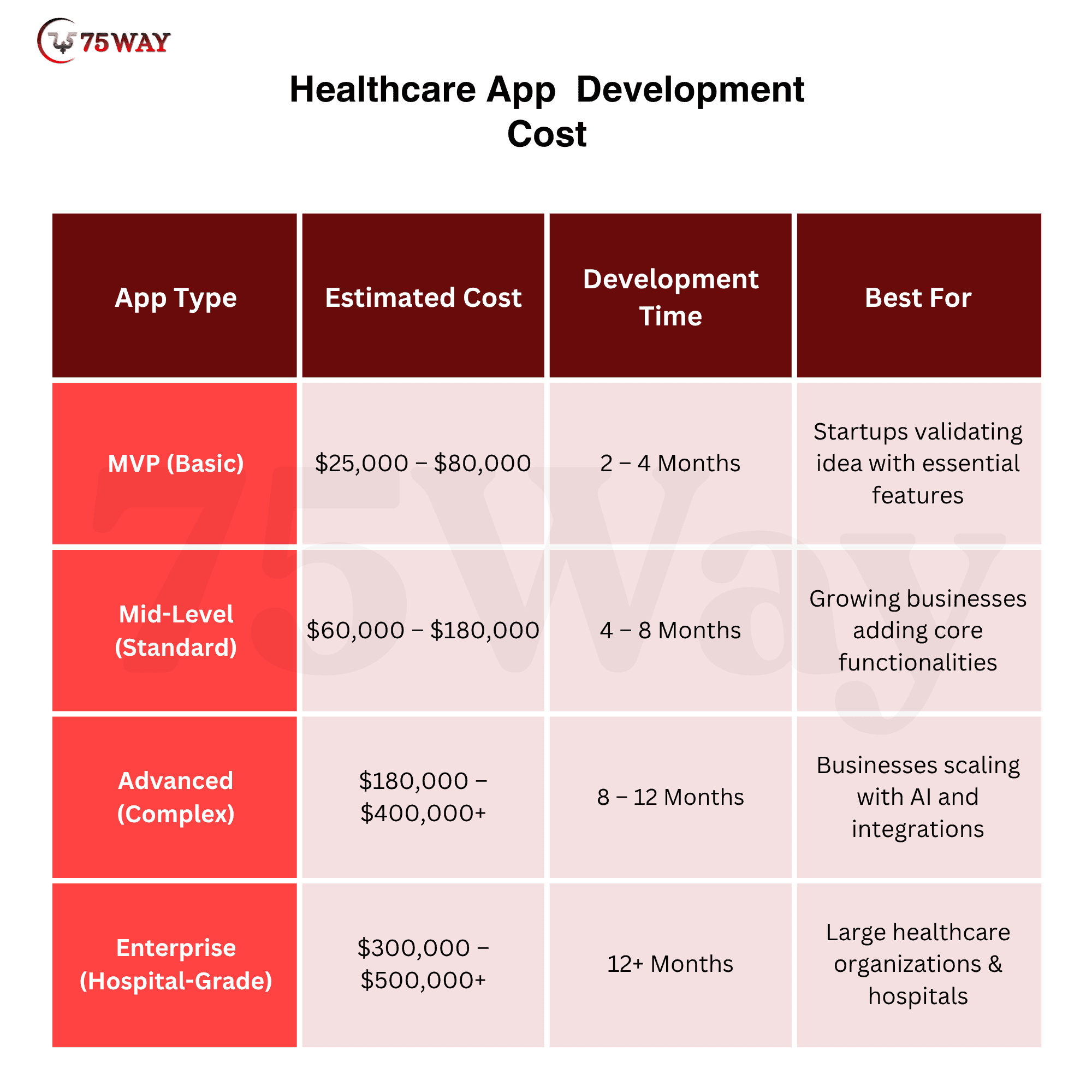
Healthcare app development cost varies based on app complexity, features, platform choice, design requirements, third-party integrations, and compliance needs such as HIPAA or GDPR. Simple apps may require lower budgets, while advanced solutions with AI, IoT, and real-time monitoring can significantly increase overall development expenses.
MVP (Basic) Healthcare App Cost: $25,000–$80,000.
Best suited for startups validating ideas with essential features, typically developed within 2 to 4 months, ensuring faster launch and minimal investment risk.
Mid-Level Healthcare App Cost: $60,000–$180,000.
Ideal for growing businesses adding core functionalities, developed within 4 to 8 months with improved scalability, performance, and enhanced user experience features.
Advanced Healthcare App Cost: $180,000–$400,000+.
Designed for businesses scaling with AI and integrations, requiring 8 to 12 months for development with advanced features, automation, and seamless third-party connectivity.
Hospital Grade Healthcare App Cost: $300,000–$500,000+.
Perfect for large healthcare organizations and hospitals, developed over 12+ months with robust infrastructure, compliance standards, high security, and complex system integrations.
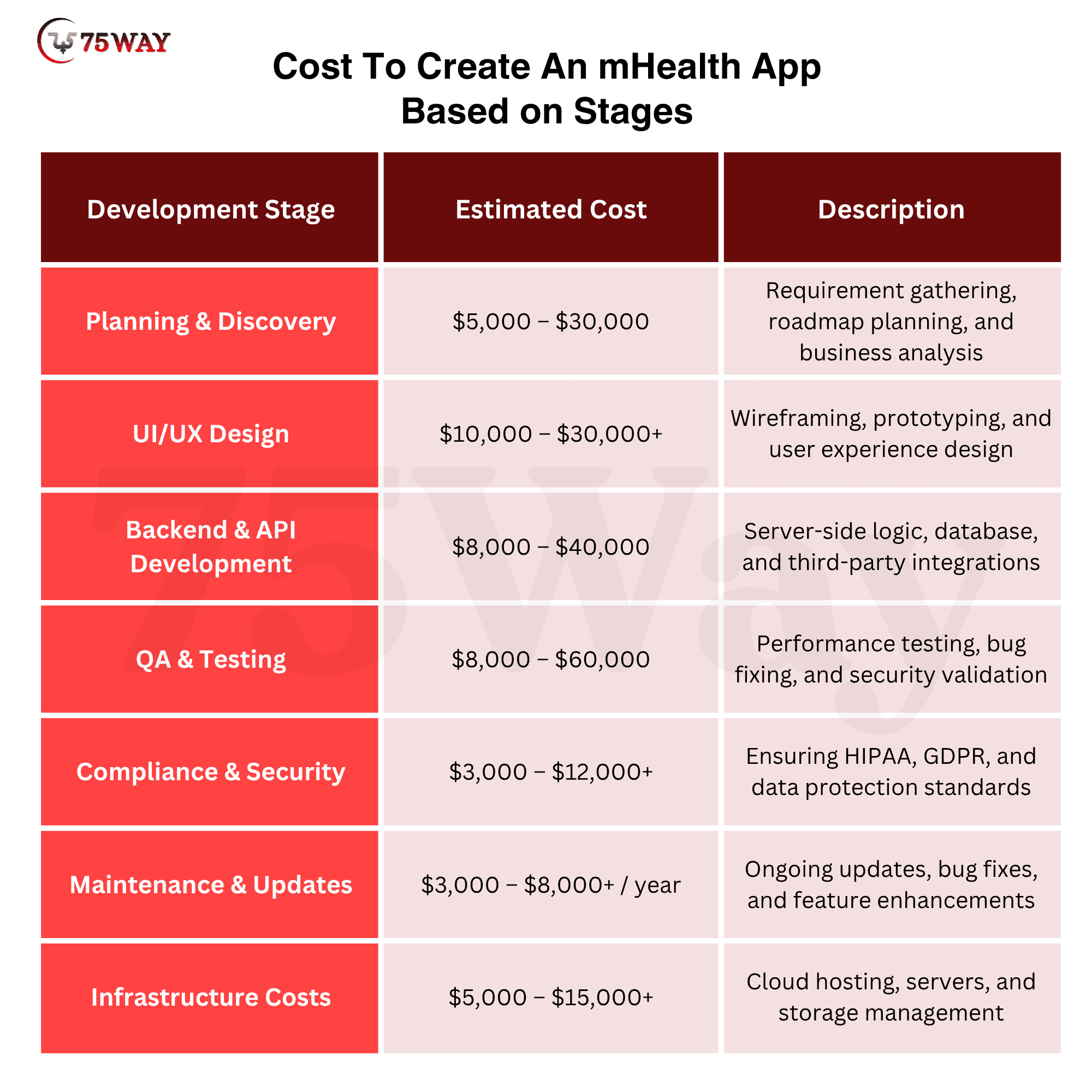
Cost To Create An mHealth App Based on Stages
Planning & Discovery Cost: $5,000–$30,000.
This stage includes requirement analysis, roadmap creation, and business planning, usually taking 2 to 4 weeks depending on project scope and stakeholder involvement.
UI/UX Design Cost: $10,000–$30,000+.
This phase focuses on wireframing, prototyping, and user experience design, typically completed within 3 to 6 weeks based on app complexity and design iterations.
Backend & API Development Cost: $8,000–$40,000.
This stage covers server-side logic, database setup, and integrations, generally taking 1 to 3 months depending on features and scalability requirements.
QA & Testing Cost: $8,000–$60,000.
This phase ensures performance, bug fixing, and security validation, usually lasting 3 to 6 weeks depending on testing depth and application stability.
Compliance & Security Cost: $3,000–$12,000+.
This step ensures adherence to HIPAA, GDPR, and data protection standards, typically requiring 2 to 4 weeks based on regulatory complexity and security layers.
Maintenance & Updates Cost: $3,000–$8,000+ per year.
This ongoing phase includes updates, bug fixes, and enhancements, with continuous timelines depending on user feedback, feature upgrades, and system performance improvements.
Infrastructure Costs: $5,000–$15,000+.
This covers cloud hosting, servers, and storage management, typically set up within 1 to 3 weeks, depending on scalability needs and platform selection.
Cost to Develop A Healthcare Mobile App Based on Types
Simple Healthcare Apps Cost: $20,000–$70,000.
These apps include symptom checkers and pill reminders, typically developed within 2 to 4 months, depending on design simplicity, feature set, and overall user experience requirements.
Telemedicine Apps Cost: $40,000–$300,000+.
These platforms support video consultations and scheduling features, usually taking 3 to 6 months to develop based on integrations, scalability, and real-time communication capabilities.
EHR/Hospital Management Systems Cost: $150,000–$1,000,000+.
These systems manage patient records and operations, requiring 6 to 12 months for development due to complex workflows, compliance standards, and extensive system integrations.
Remote Patient Monitoring Apps Cost: $100,000–$250,000.
These apps track patient health data in real time, typically developed within 4 to 8 months, depending on device connectivity, analytics features, and data accuracy requirements.
Mental Health/Meditation Apps Cost: $40,000–$150,000.
These apps focus on wellness, guided sessions, and tracking, usually taking 3 to 5 months to develop based on content depth, personalization, and engagement features.
AI-Powered Healthcare Apps Cost: $70,000–$350,000+.
These apps include advanced features like symptom analysis and predictions, typically requiring 5 to 9 months for development, depending on AI model complexity and data processing needs.
Location-Wise Cost To Hire An App Developer to Create Healthcare Apps
U.S. Cost: $150–$250/hour.
Offers premium quality, strong compliance standards, and advanced expertise, but significantly increases overall project cost due to higher developer rates and operational expenses.
Eastern Europe: $50–$100/hour.
Provides a balance of quality and affordability, with skilled developers, good communication, and reliable delivery, making it a popular choice for mid-budget healthcare projects.
India: $30–$60/hour.
Delivers cost-effective solutions with a large talent pool, faster turnaround times, and flexible engagement models, ideal for startups and businesses aiming to optimize development budgets.
How Healthcare Apps Make Money: Revenue Strategies
Healthcare apps generate revenue through multiple monetization models depending on their functionality and target users. Common strategies include subscription plans, where users pay monthly or yearly for premium features, and freemium models that offer basic services for free while charging for advanced tools. Apps also earn through teleconsultation fees, in-app advertisements, affiliate partnerships with pharmacies or labs, and data-driven services for healthcare organizations. Additionally, enterprise licensing and white-label solutions provide scalable income for B2B healthcare platforms.
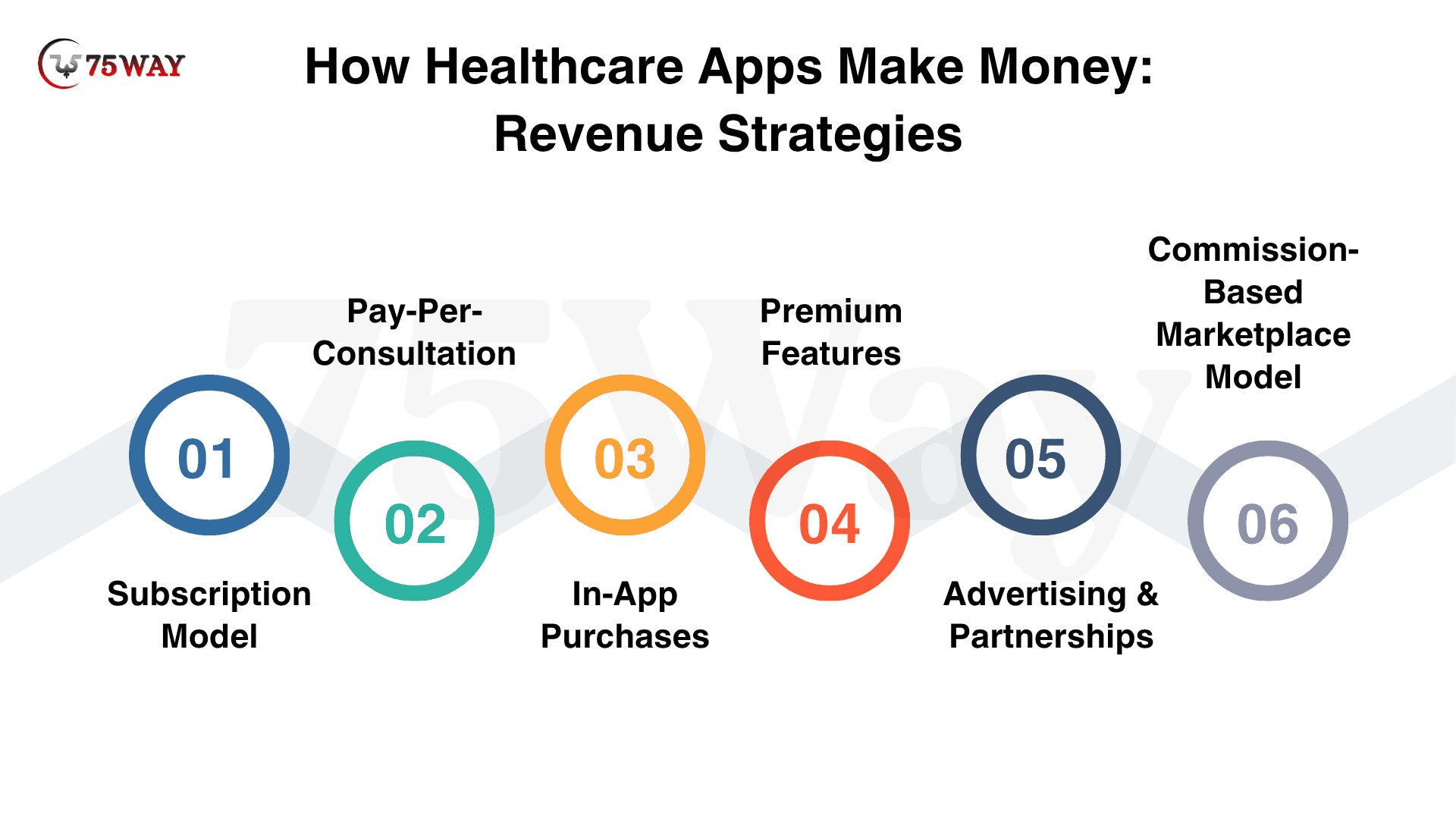
Subscription Model: Users pay recurring monthly or yearly fees to access healthcare app services, ensuring continuous revenue and providing access to premium features, tools, and ongoing digital healthcare support.
Pay-Per-Consultation: Patients are charged for each online doctor consultation, making healthcare services flexible and affordable while generating revenue based on actual usage of medical advice or treatment sessions.
In-App Purchases: Users buy additional features, health reports, digital tools, or wellness content within the app, allowing personalized experiences while creating extra revenue streams for the healthcare platform.
Premium Features: Basic app features are free, while advanced tools like AI diagnosis, detailed reports, or specialist access are locked behind a paid premium plan for enhanced healthcare support.
Advertising & Partnerships: Healthcare apps earn revenue by displaying ads or partnering with pharmacies, labs, and health brands, promoting relevant services while maintaining user engagement and trust.
Commission-Based Marketplace Model: The app acts as a platform connecting patients with doctors, pharmacies, or labs, earning a commission on each transaction, consultation, or service booked through the system.
How 75way Technologies Delivers Healthcare Mobile App Development Solutions?
75way Technologies delivers healthcare mobile app development solutions by focusing on understanding specific healthcare challenges and converting them into efficient digital products. The company begins with detailed requirement analysis to identify the needs of hospitals, doctors, and patients. This helps in building customized solutions that improve care delivery, streamline operations, and enhance user experience.
The development process emphasizes building secure, scalable, and high-performance applications. Advanced technologies such as AI, IoT, cloud computing, and real-time analytics are integrated to ensure smarter healthcare functionality. Special attention is given to compliance with healthcare regulations like HIPAA and GDPR to maintain data privacy and security.
75way Technologies also focuses heavily on user experience and seamless design. The applications are developed with simple navigation, accessibility features, and responsive interfaces to ensure ease of use for both medical professionals and patients. This improves engagement and encourages long-term adoption of healthcare solutions.
The company provides end-to-end support, including deployment, testing, maintenance, and continuous upgrades. Regular updates, performance optimization, and technical support ensure that healthcare applications remain reliable, secure, and aligned with evolving industry needs.
Final Thoughts
Healthcare app development is transforming the way medical services are delivered by making them more accessible, efficient, and patient-centric. With the integration of advanced technologies like AI, IoT, cloud computing, and blockchain, healthcare applications are improving diagnosis accuracy, streamlining hospital operations, and enhancing overall patient care. From telemedicine and remote monitoring to digital records and smart analytics, these solutions are reshaping the healthcare ecosystem. However, success depends on choosing the right strategy, focusing on user needs, and ensuring strong data security and compliance. A well-designed healthcare app not only improves outcomes but also builds trust between patients and providers. If you are looking for a trusted healthcare app development company, partner with experts who can turn your vision into a secure, scalable, and future-ready digital healthcare solution.
Frequently Asked Questions (FAQs)
Why Are Healthcare Apps Important?
Healthcare apps are important because they improve access to medical services, reduce waiting times, and enable real-time communication between patients and doctors. They also support remote consultations, enhance disease management, and help healthcare providers deliver faster, more accurate, and patient-centred care efficiently.
Is Healthcare App Development Secure?
Yes, healthcare app development is secure when built with strong encryption, authentication, and regulatory compliance like HIPAA and GDPR. Proper security measures protect sensitive patient data, prevent unauthorized access, and ensure safe communication between healthcare providers and patients across digital platforms.
What Technologies Are Used In Healthcare Apps?
Healthcare apps use technologies like artificial intelligence, machine learning, IoT, cloud computing, blockchain, and data analytics. These technologies enhance diagnosis accuracy, enable real-time monitoring, improve data security, and support efficient healthcare operations and personalized patient care across digital platforms.
Who Can Use Healthcare Apps?
Healthcare apps can be used by patients, doctors, hospitals, clinics, pharmacies, and healthcare administrators. Each user benefits differently, from managing appointments and records to improving diagnosis, treatment planning, and overall healthcare communication and service delivery within the medical ecosystem.
How To Choose A Healthcare App Development Company?
Choose a healthcare app development company with strong industry experience, technical expertise, and knowledge of compliance standards. The company should offer scalable solutions, secure architecture, and proven success in delivering healthcare apps that improve patient care and operational efficiency effectively.
What Are The Benefits of Healthcare Apps?
Healthcare apps improve patient engagement, reduce operational costs, and provide faster access to medical services. They enhance diagnosis accuracy, support remote care, and enable continuous health monitoring, leading to better treatment outcomes and improved efficiency in the healthcare system overall.