Summary
Want to launch a profitable AI sleep tracker app? This guide explains architecture, wearable APIs, sleep analysis algorithms, cloud infrastructure, and development costs. AI-powered sleep tracking app development combines wearable sensors, behavioral analytics, machine learning, and mobile technologies to deliver personalized sleep insights. Strong security, accurate data processing, scalable infrastructure, and engaging experiences drive long-term user adoption.
Quick Overview
- AI-powered sleep tracking apps improve sleep pattern recognition.
- An average cost to build a sleep tracker app lies between $25,000 – $150,000+.
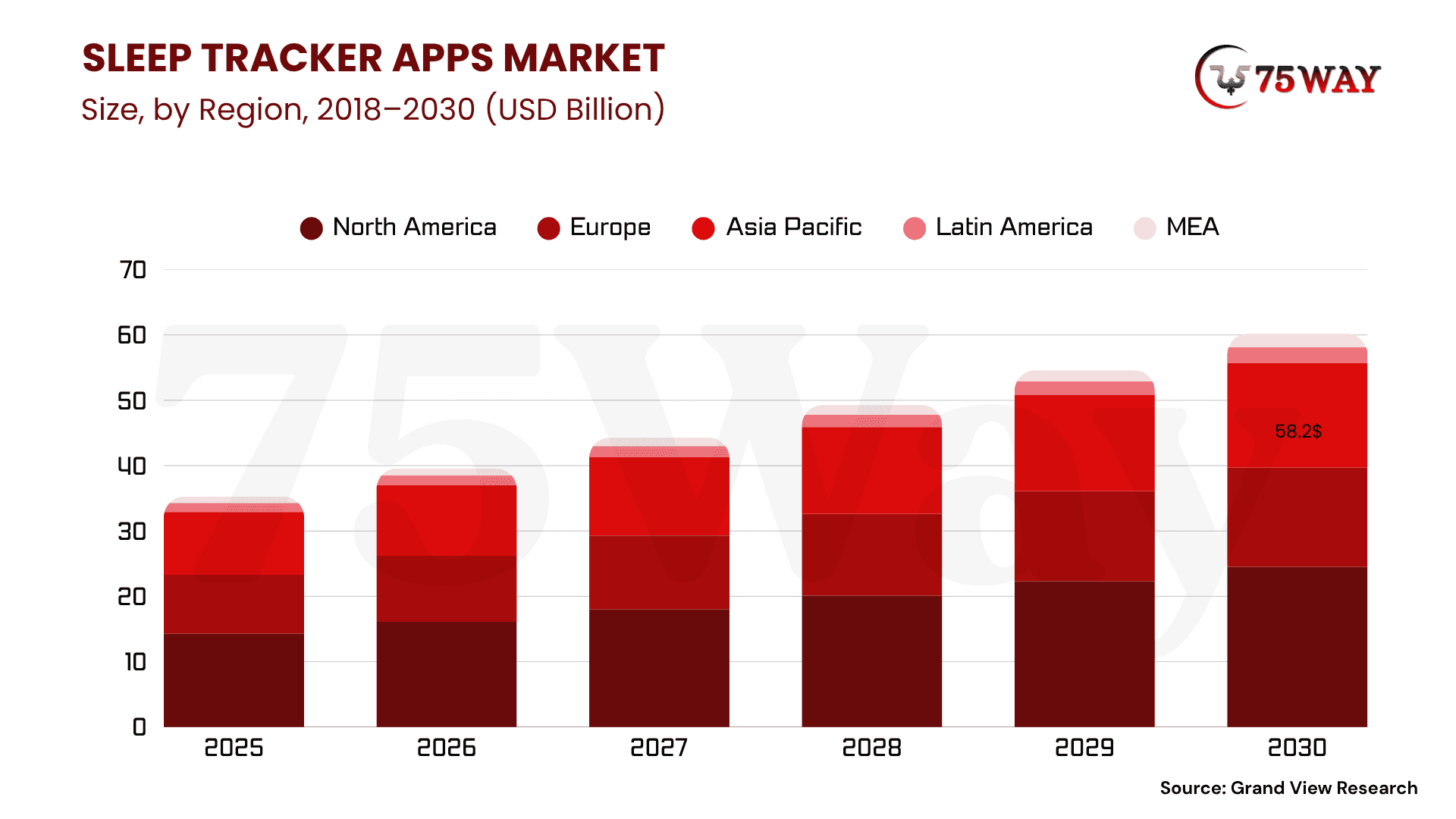
- By 2030, the sleep tracking app market is projected to reach $58.21 billion
- HIPAA-ready infrastructure strengthens healthcare data protection and user trust.
- Personalized recommendations improve retention rates and long-term engagement.
Sleep quality directly affects productivity, mental wellness, physical recovery, metabolism, and cardiovascular health. Yet millions of people struggle with irregular sleep cycles, insomnia, stress-related disturbances, and inconsistent rest patterns. Traditional sleep monitoring methods often require clinical visits and expensive equipment.
This growing concern has created a massive demand for AI-powered sleep tracking app development solutions. Modern consumers increasingly use smartphones, smartwatches, wearable rings, and fitness bands to monitor sleep duration. Artificial intelligence transforms this raw biometric information into recommendations that help users improve recovery, energy levels, and daily performance. According to industry reports, the sleep-tracking devices market will expand to $3,240.3 million by 2030 at a CAGR of 11.7%.
Businesses, healthcare startups, wellness brands, and fintech companies are actively investing in AI sleep tracking apps because they create recurring revenue opportunities. Advanced applications for iOS and Android now include predictive sleep analytics, snore detection, and integrations with platforms like Apple Health, Fitbit, Garmin, and Google Fit.
This complete guide covers the entire AI sleep tracking app development process, including market opportunities, essential features, technology stack, and monetization strategies.
What Is Sleep Tracking App?
A sleep tracking applications analyze biometric and behavioral data collected through smartphones and wearable devices to evaluate sleep quality, sleep stages, breathing patterns, and nighttime disturbances. Unlike traditional sleep diary applications, AI-powered platforms continuously learn from user behavior and generate adaptive AI recommendations based on sleep history and physiological signals.
These applications typically monitor biometric and behavioral sleep signals to analyze recovery quality, sleep consistency, and nighttime health patterns. Moreover, advanced machine learning models convert raw sensor information into personalized sleep insights, wellness recommendations, and predictive healthcare analytics for users.
Market Demand For AI Sleep Tracking Apps
The sleep technology industry has expanded rapidly because modern lifestyles increasingly impact sleep health. Long working hours, stress, screen exposure, poor dietary habits, and irregular schedules contribute to widespread sleep-related concerns globally. Several factors are driving the growth of wearable app development solutions to track sleep:
- Rising Wearable Adoption: Smartwatches, fitness trackers, and smart rings are becoming mainstream consumer devices. These wearables continuously collect biometric information essential for sleep monitoring.
- Increased Health Awareness: Consumers now prioritize preventive healthcare optimization that increases the demand for app development for health and wellness and sleep tracking. Sleep quality has become a critical component of personal health management.
- AI Advancements: AI models andmachine learning technologies improve sleep stage detection, anomaly recognition, and personalized recommendations.
- Remote Healthcare Growth: Healthcare providers increasingly use remote monitoring technologies for patient management, especially for sleep apnea, stress disorders, and chronic conditions.
- Subscription-Based Revenue Opportunities: Sleep applications generate recurring revenue through premium insights, wellness programs, audio therapy, and personalized coaching.
Moreover, the global sleep tracking devices market is forecasted to reach USD 58.21 billion by 2030, growing at a CAGR of 11.7%. The other growth and market insights for the sleep tracker app are:
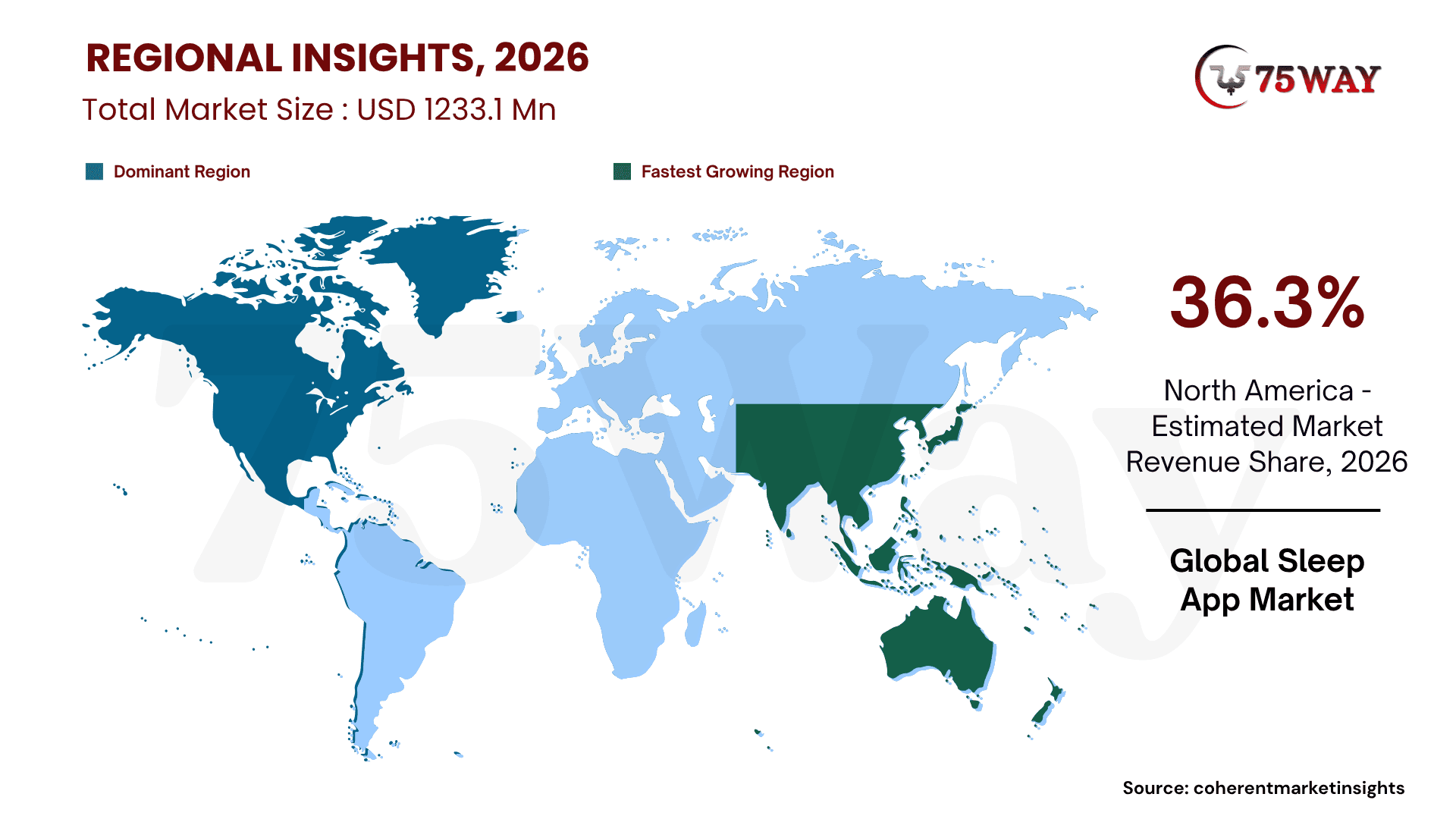
- North America is expected to lead the market with a 43% share by 2026.
- Sleep-tracking adoption is currently higher among men at 56% than among women at 40%, though usage is increasing across both groups.
- Nearly 48% of adults now use sleep-tracking devices or applications, up from 35% in recent years.
- Wearable devices are projected to dominate the market in 2026, accounting for nearly 75% of total revenue, driven by the rising adoption of smartwatches and fitness bands.
- Basic sleep-tracking features are expected to hold over 50% of the market share by 2026.
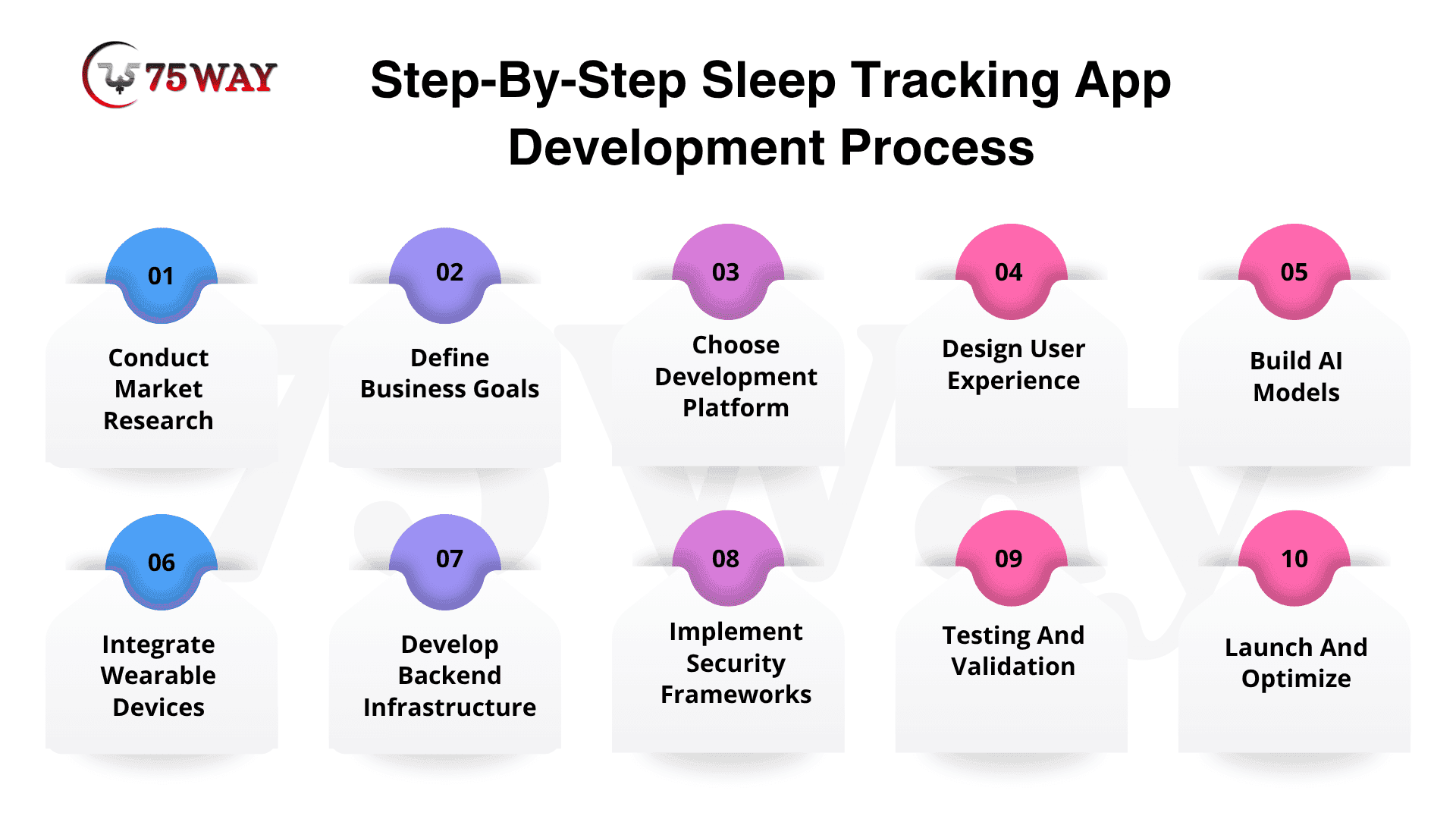
Step-By-Step Sleep Tracking App Development Process
Developing an AI sleep tracking application requires strategic planning, advanced technology implementation, wearable synchronization, AI model training, and healthcare-grade security architecture. Businesses must follow a structured development process to build user-focused sleep-monitoring platforms. From market research and UI/UX planning to AI integration and post-launch optimization, every development stage directly impacts user engagement, application performance, and long-term business growth.
Step 1: Conduct Market Research Before Creating Sleep Tracker App
Market research helps businesses understand user expectations, industry competition, monetization opportunities, and technology gaps before development begins. This stage identifies high-demand features, underserved audiences, and market positioning opportunities for long-term platform growth. You must analyze:
- Competitors
- User pain points
- Market gaps
- Subscription models
- Healthcare regulations
Identify underserved niches like:
- Pediatric sleep monitoring
- Mental wellness sleep analysis
- Corporate wellness tracking
- Clinical sleep management
Step 2: Define Business Goals
Businesses must clearly define application objectives, target audience segments, revenue models, and long-term platform direction before selecting technologies or development architecture. Clear business positioning simplifies feature prioritization and regulatory planning. Decide whether the platform targets:
- Consumer wellness
- Healthcare providers
- Sleep clinics
- Corporate wellness programs
- Fitness ecosystems
Clear positioning affects architecture and compliance requirements.
Step 3: Choose The Right App Development Platform
Selecting the right development platform affects application performance, scalability, development cost, and wearable integration capabilities. Businesses must evaluate target audience behavior, budget limitations, and future expansion requirements before choosing technologies. Businesses may select:
- Native iOS
- Native Android
- Cross-platform architecture
Cross-platform frameworks reduce initial costs, while native development offers stronger hardware optimization.
Step 4: Create Intuitive UI/UC Design
Sleep-tracking applications require visually calming, distraction-free, and highly intuitive user experiences that support nighttime interaction and wellness engagement. Strong UI/UX design improves retention, usability, and daily application interaction. UI/UX priorities include:
- Dark mode design
- Easy navigation
- Clear analytics
- Minimal cognitive load
- Accessible visualizations
A cluttered interface negatively impacts engagement. So, you must consider:
- Design Wireframes: Create application layouts illustrating navigation flow, feature placement, and user interaction structure.
- Build Interactive Prototypes: Develop clickable prototypes validating user journeys, usability experiences, and interface engagement before development.
- Select Visual Elements: Choose appealing colors, readable typography, and intuitive icons to strengthen the application interface's attractiveness successfully.
- Visualize Sleep Analytics: Display sleep insights through understandable charts, reports, graphs, and behavioral trend visualizations.
- Personalize User Settings: Enable customized sleep preferences, bedtime routines, alarms, and wellness tracking experiences.
Step 5: Build AI Models
AI model development forms the core intelligence layer of sleep tracking applications. Machine learning systems analyze biometric information, identify sleep patterns, classify sleep stages, and generate personalized recommendations for users. AI training involves:
- Biometric datasets
- Sleep classification algorithms
- Behavioral learning systems
- Predictive analytics models
Data quality strongly impacts recommendation accuracy.
Step 6: Integrate Wearable Devices
Wearable integration allows applications to collect real-time biometric information from smartwatches, rings, fitness trackers, and connected healthcare devices. Stable synchronization directly improves sleep tracking accuracy and user experience quality. The sleep tracking app developers integrate:
- APIs
- BLE communication protocols
- Wearable synchronization frameworks
- Smart device connectivity systems
- Sensor data transmission technologies
Reliable synchronization directly affects user satisfaction.
Step 7: Develop Backend Infrastructure
Backend infrastructure manages cloud communication, authentication systems, wearable synchronization, analytics processing, and large-scale biometric data management operations securely. Backend systems manage:
- User authentication
- Cloud synchronization
- AI processing
- Analytics pipelines
- Notification systems
Scalable architecture supports future growth.
Step 8: Implement Security Frameworks
AI sleep tracking applications process sensitive healthcare and biometric information, which requires a strong security architecture and regulatory compliance frameworks. Data protection directly impacts user trust and healthcare integration opportunities. Security implementation should include:
- End-to-end Encryption: Protects transmitted biometric data from unauthorized external access threats.
- Secure Authentication: Verifies legitimate users accessing sensitive sleep monitoring application accounts securely.
- Role-based Access: Restricts data accessibility according to authorized user permission levels only.
- Data Anonymization: Removes identifiable personal information from stored healthcare-related biometric datasets completely.
- User Consent Management: Controls user permissions for collecting, storing, and processing health information.
- HIPAA and GDPR Compliance: Maintains regulatory standards protecting healthcare data privacy and security requirements.
Step 9: Testing And Validation
Comprehensive testing helps identify performance issues, synchronization problems, battery consumption challenges, and security vulnerabilities before deployment. Healthcare-grade platforms may require additional clinical validation for biometric accuracy. Healthcare-grade platforms may require clinical validation studies. Testing includes:
- Device Compatibility Testing: Validates application performance across multiple wearable devices.
- Battery Optimization: Reduces excessive power consumption during continuous monitoring.
- Sensor Accuracy Validation: Measures precision of biometric tracking and analytics.
- Performance Testing: Evaluates application speed, responsiveness, and stability levels.
- Security Testing: Identifies vulnerabilities within authentication and data systems.
Step 10: Launch And Optimize The Sleep Tracker App
Post-launch optimization helps businesses improve retention, recommendation quality, subscription performance, and application scalability through continuous updates and AI refinement strategies. Post-launch optimization includes:
- AI retraining
- Feature updates
- User behavior analysis
- Retention improvement
- Subscription optimization
Continuous improvement increases lifetime user value.
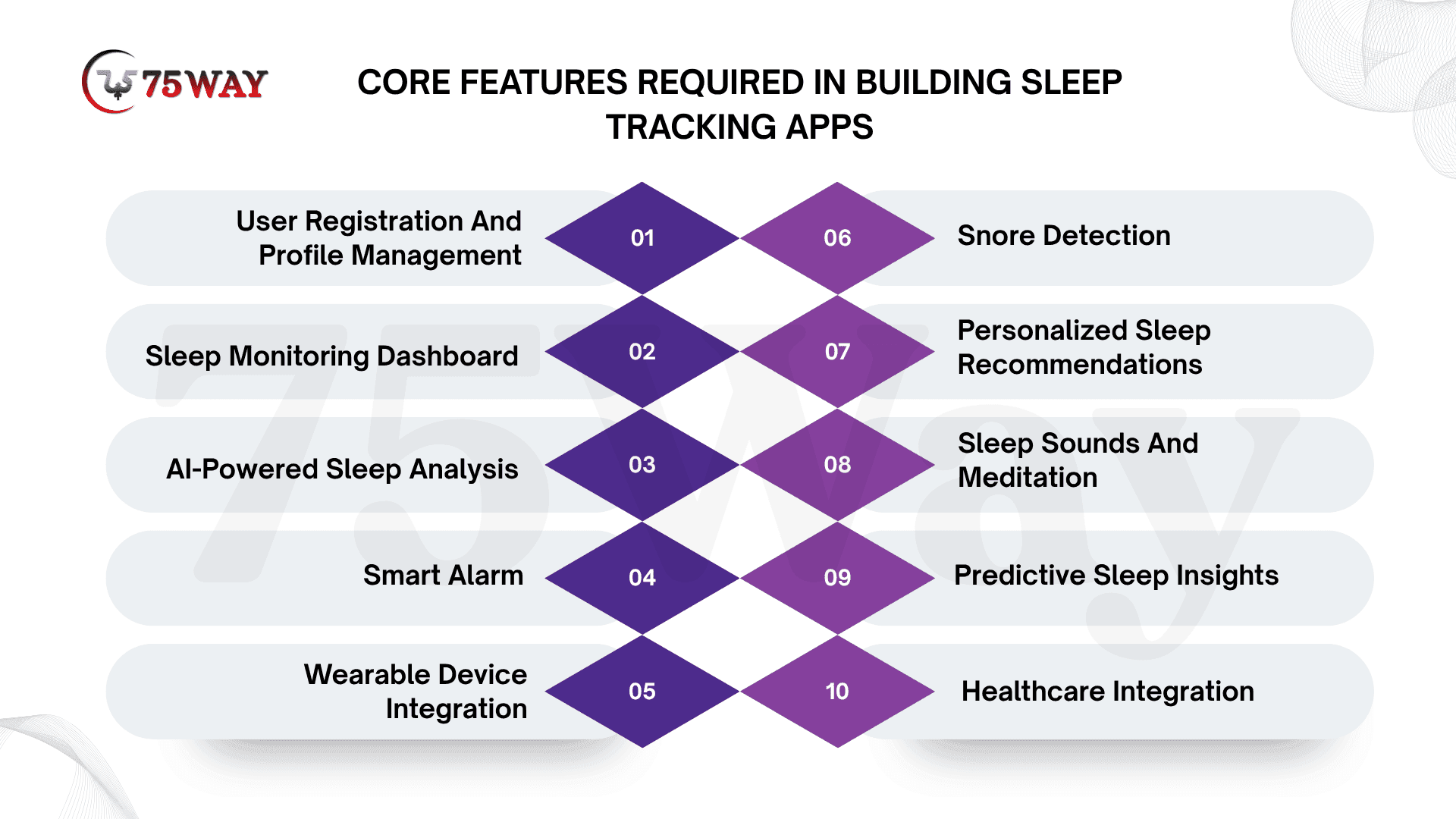
Core Features Required In Building Sleep Tracking Apps
Modern AI sleep tracking applications require far more than basic sleep timers and alarm functionality. Businesses developing AI-powered sleep tracker applications must combine biometric tracking, machine learning, predictive analytics, and healthcare interoperability to create scalable and engaging platforms. The following features form the foundation of successful sleep tracking app development.
1. User Registration And Profile Management
User onboarding helps the application collect important personal and behavioral information required for accurate sleep analysis. The registration process typically captures age, gender, sleep goals, lifestyle habits, existing sleep conditions, fitness activities, and optional medical history details. AI systems use this information to make recommendations, optimize sleep tracking models, and generate user-specific wellness insights from the beginning.
2. Sleep Monitoring Dashboard
The sleep monitoring dashboard acts as the primary analytics center within the application. It displays sleep duration, sleep efficiency, REM cycles, deep sleep statistics, wake interruptions, sleep scores, and long-term trends through easy-to-understand visualizations. A clean dashboard design helps users interpret sleep performance quickly while increasing engagement and long-term application usage.
3. AI-Powered Sleep Analysis
AI-powered sleep analysis engines process biometric and behavioral information collected through smartphones and wearable devices. Machine learning algorithms identify sleep irregularities, fatigue patterns, recovery issues, stress indicators, and lifestyle correlations affecting sleep quality. As user behavior evolves, AI systems continuously refine recommendations and generate increasingly sleep insights.
4. Smart Alarm
Smart alarm functionality uses AI algorithms to wake users during lighter sleep phases instead of deep sleep cycles. This approach helps reduce morning grogginess, improves alertness, and supports healthier wake-up experiences. Intelligent alarms also adapt based on user sleep history, bedtime consistency, and nighttime movement patterns.
5. Wearable Device
Wearable integration allows sleep tracking applications to collect real-time biometric information from devices, like Apple Watch, Fitbit, Garmin, Oura Ring, Samsung Health, Google Fit, and Wear OS platforms. These integrations improve sleep analysis accuracy by providing continuous heart rate monitoring, oxygen saturation tracking, movement analysis, and recovery insights throughout the night.
6. Snore Detection
Snore detection features use microphone-based monitoring systems and AI audio analysis models to identify snoring intensity, breathing irregularities, environmental disturbances, and possible sleep apnea indicators. Advanced applications classify audio patterns automatically and provide users with detailed nighttime breathing analytics and sleep quality assessments.
7. Personalized Sleep Recommendations
Personalized recommendation engines generate user-specific guidance based on sleep behavior, lifestyle patterns, stress levels, and recovery performance. Recommendations may include bedtime optimization strategies, sleep hygiene improvements, relaxation techniques, environmental adjustments, and stress management suggestions. Personalized wellness insights significantly improve user satisfaction and retention rates.
8. Sleep Sounds And Meditation
Many AI sleep tracking applications include built-in wellness content such as white noise, guided meditation sessions, breathing exercises, relaxation music, and nature sounds. These features help users fall asleep faster, reduce stress, and improve bedtime routines while increasing overall application engagement and session duration.
9. Predictive Sleep Insights
Predictive AI models analyze historical sleep data to forecast fatigue probability, sleep debt accumulation, recovery performance, productivity impact, and stress-related sleep disruptions. Predictive intelligence helps users identify unhealthy patterns early and make proactive lifestyle adjustments before sleep quality declines significantly.
10. Healthcare Integration
Healthcare integration enables sleep tracking applications to connect with EHR systems, telemedicine platforms, sleep clinics, wellness providers, and remote patient monitoring systems. Healthcare interoperability expands enterprise opportunities while allowing medical professionals to access sleep-related analytics for preventive healthcare and treatment support.
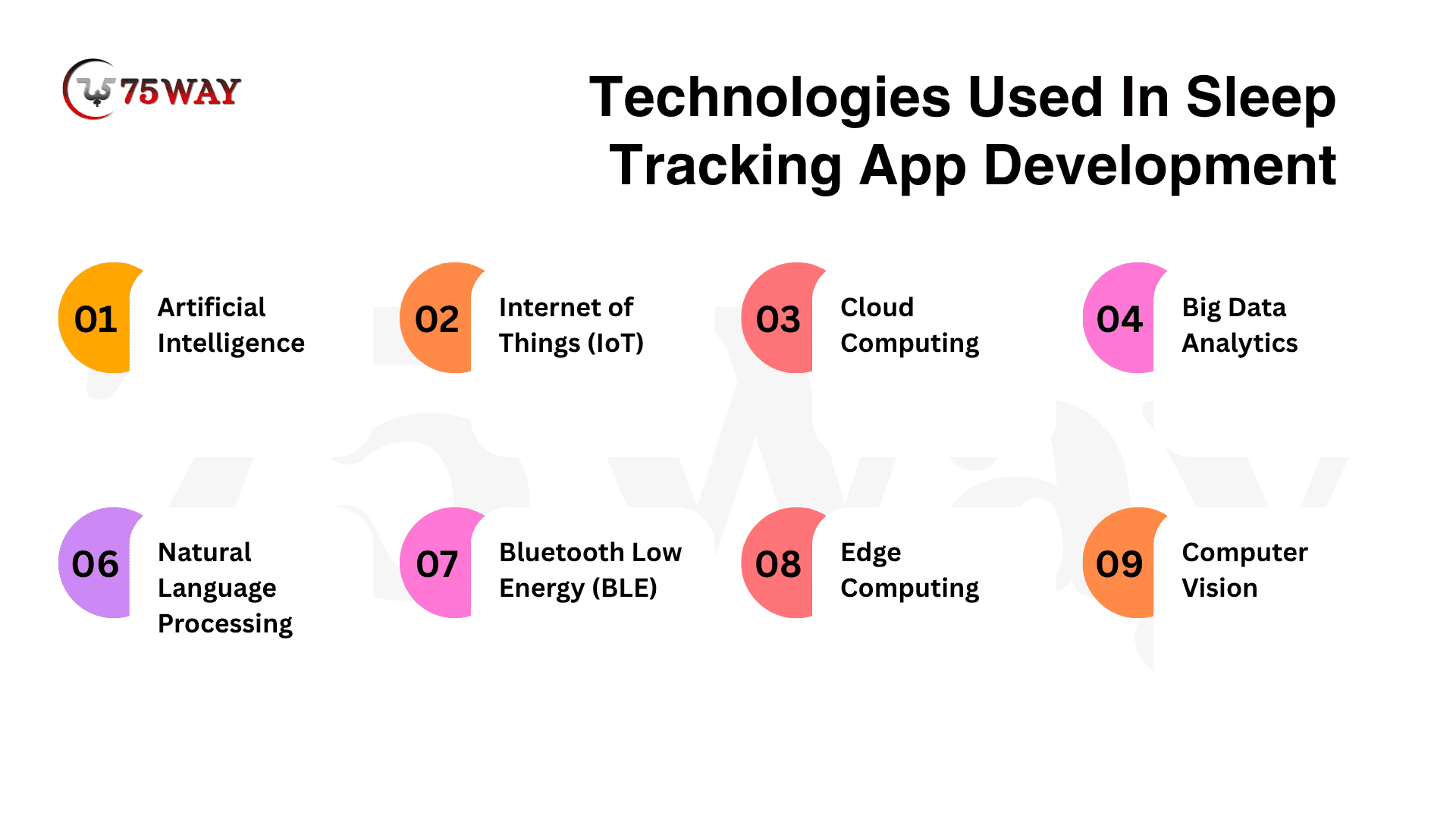
Technologies Used In Sleep Tracking App Development
AI sleep tracking applications rely on advanced technologies to process biometric information, analyze behavioral patterns, deliver personalized recommendations, and support real-time monitoring experiences. From artificial intelligence and wearable connectivity to cloud infrastructure, each technology plays a specific role in improving sleep analysis accuracy across modern digital wellness ecosystems.
1. Artificial Intelligence:AI models classify sleep stages and analyze biometric behavior patterns. These systems improve accuracy over time. Common models include:
- CNN models
- LSTM networks
- Deep learning classifiers
- Time-series forecasting models
- Behavioral analytics engines
2. Internet of Things (IoT): Wearable devices transmit real-time biometric data through IoT connectivity frameworks. IoT solutions support:
- Continuous monitoring
- Device synchronization
- Cloud transmission
- Multi-device integration
3. Cloud Computing: Popular cloud providers include AWS, Azure, and Google Cloud. Cloud infrastructure supports:
- Large-scale data storage
- Real-time analytics
- AI processing
- User synchronization
- Scalability
4. Big Data Analytics: Sleep tracking applications process massive biometric datasets daily. Big data frameworks help identify:
- Behavioral patterns
- User segmentation
- Sleep anomalies
- Health correlations
5. Natural Language Processing: NLP enables AI assistants and conversational wellness coaching within applications. Use cases include:
- Voice journaling
- Sleep coaching chatbots
- Mood analysis
- Smart recommendations
6. Bluetooth Low Energy (BLE): This technology enables low-power communication between smartphones and wearable sleep monitoring devices throughout nighttime tracking sessions.
- Real-time wearable synchronization
- Low battery consumption
- Continuous heart rate transmission
- Stable nighttime connectivity
- Fast device pairing
- Background biometric data transfer
7. Edge Computing: Edge computing processes selected biometric information directly on wearable devices instead of relying entirely on cloud servers. This approach reduces latency, improves response speed, and minimizes continuous cloud processing dependency.
- Faster biometric processing
- Reduced cloud dependency
- Low-latency sleep analytics
- Real-time anomaly detection
- Improved device responsiveness
- Better offline functionality
8. Computer Vision: Advanced AI-powered visual analytics help detect sleep disturbances, fatigue indicators, and nighttime behavioral irregularities. Computer vision technologies help:
- Facial movement analysis
- Sleep posture detection
- Eye activity monitoring
- Nighttime behavior tracking
- Fatigue pattern identification
- Visual sleep disturbance detection
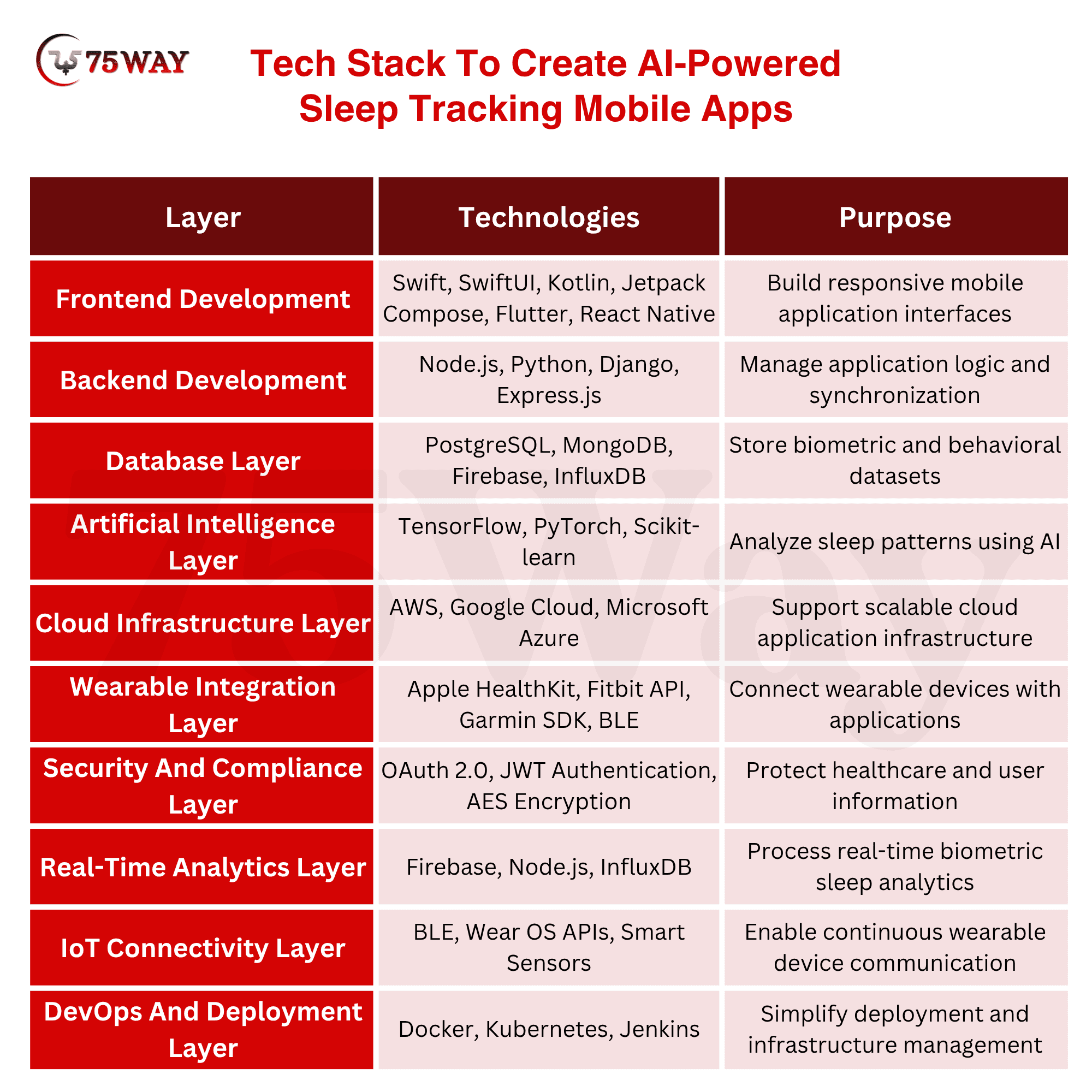
Best Tech Stack To Create AI-Powered Sleep Tracking Mobile Apps
Selecting the right technology stack is a major factor in the performance and long-term growth of AI sleep-tracking applications. A strong tech stack helps businesses build reliable, scalable, and feature-rich sleep tracking solutions across Android, iOS, wearable devices, and cloud ecosystems.
A) Frontend Development: Frontend technologies like Swift, SwiftUI, Kotlin, Jetpack Compose, Flutter, and React Native manage mobile interfaces, dashboard visualization, responsiveness, and user interaction experiences.
1. iOS Development
- Swift
- SwiftUI
2. Android
- Kotlin
- Jetpack Compose
3. Cross-Platform Frameworks
- Flutter
- React Native
B) Backend Development: Backend technologies, including Node.js, Python, Django, and Express.js manage APIs, authentication, wearable synchronization, cloud communication, and AI processing operations.
- Node.js
- Python
- Django
- Express.js
C) Database: Database technologies such as PostgreSQL, MongoDB, Firebase, and InfluxDB securely store biometric information, sleep analytics, wearable records, and behavioral datasets.
- PostgreSQL
- MongoDB
- Firebase
- InfluxDB
D) Artificial Intelligence: AI technologies, including TensorFlow, PyTorch, and Scikit-learn process biometric patterns, classify sleep stages, and generate predictive wellness recommendations.
- TensorFlow
- PyTorch
- Scikit-learn
E) Cloud Infrastructure: Cloud technologies like AWS, Google Cloud, and Microsoft Azure support scalability, AI deployment, secure storage, synchronization, and remote accessibility.
- Amazon Web Services (AWS)
- Google Cloud Platform (GCP)
- Microsoft Azure
F) Wearable And Device Integration: Wearable integration, including HealthKit, Fitbit API, Garmin SDK, Google Fit API, and BLE connect smart devices with sleep tracking applications.
- Apple HealthKit
- Google Fit API
- Fitbit API
- Garmin SDK
- Bluetooth Low Energy (BLE)
G) Security And Compliance: Security models such as OAuth 2.0, JWT Authentication, and AES encryption protect biometric information, user accounts, and healthcare data transmissions securely.
- OAuth 2.0
- JWT Authentication
- AES Encryption
AI Models Used In Sleep Tracking Mobile Application Development
AI models form the intelligence backbone of modern sleep tracking applications. These AI, NLP, and machine learning systems help applications classify sleep stages, identify abnormalities, forecast fatigue risks, and improve recommendation accuracy.
1. Sleep Stage Classification Models
Sleep stage classification models analyze biometric signals and movement patterns to identify different nighttime sleep cycle phases accurately. These models classify:
- REM sleep
- Deep sleep
- Light sleep
- Wake cycles
Sensor fusion improves prediction quality.
2. Anomaly Detection Models: Anomaly detection models identify unusual biometric behavior patterns associated with sleep disturbances, stress, and nighttime health irregularities. Anomaly detection identifies:
- Breathing interruptions
- Abnormal sleep duration
- Restlessness
- Elevated stress patterns
3. Recommendation Engines: These models generate personalized wellness guidance using historical sleep behavior, recovery analytics, and lifestyle activity information continuously. Recommendation systems personalize:
- Sleep schedules
- Recovery suggestions
- Lifestyle modifications
- Meditation content
4. Predictive Analytics Models
Predictive analytics models forecast future sleep behaviors, recovery performance, and fatigue-related wellness risks using historical biometric datasets. Predictive AI forecasts:
- Fatigue risks
- Sleep consistency trends
- Recovery quality
- Burnout probability
Wearable Integration In AI Sleep Tracking Apps
Wearable integrations play a critical role in improving sleep tracking accuracy, real-time biometric monitoring, and personalized wellness analysis within AI-powered sleep applications. Integrating these wearable ecosystems helps sleep tracking applications deliver deeper behavioral insights.
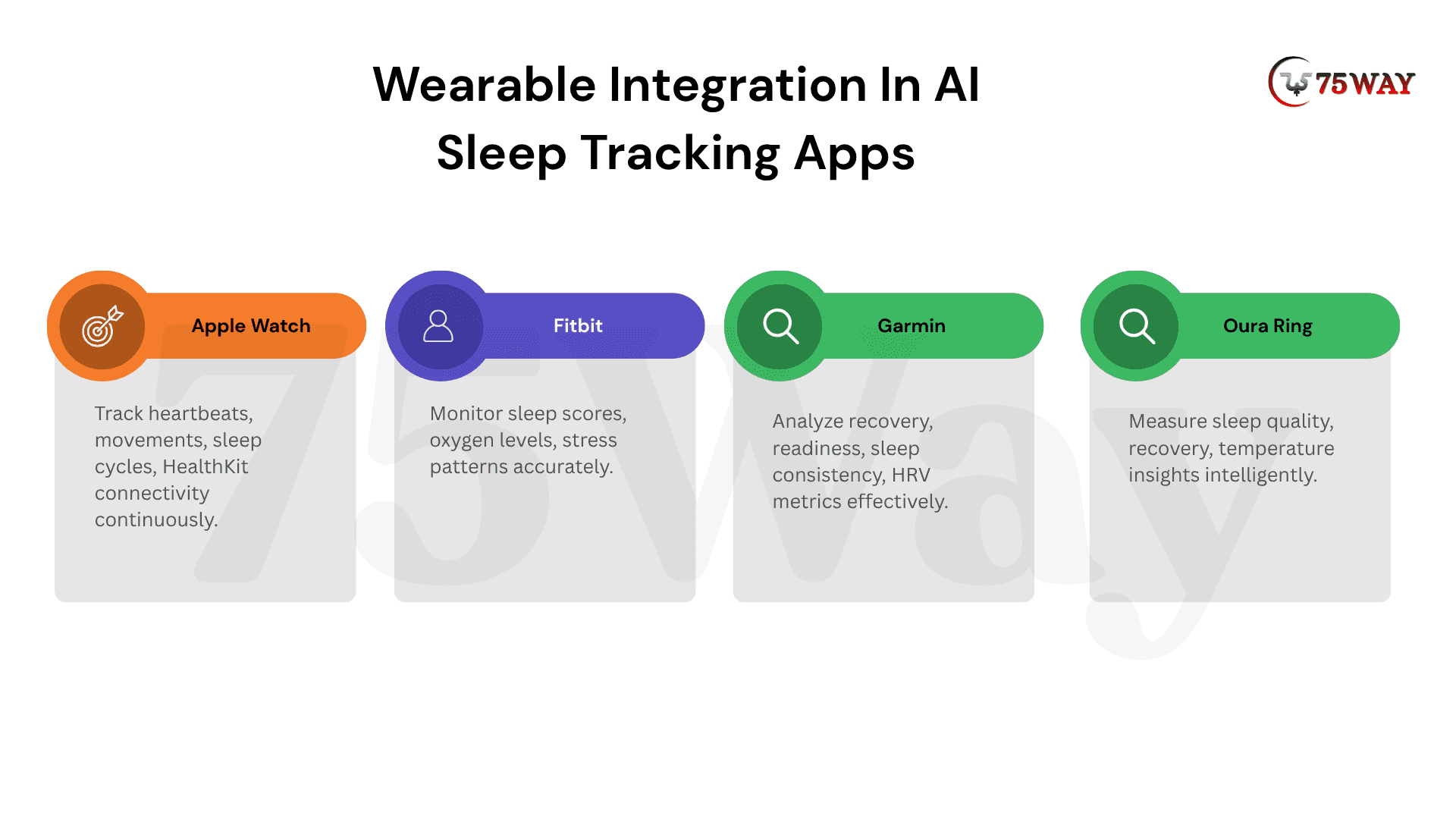
1. Apple Watch
Apple Watch integration enables AI sleep tracking applications to collect heart rate data, movement activity, sleep cycle information, and HealthKit records continuously. These capabilities improve sleep stage analysis, wellness monitoring accuracy, and personalized recommendation generation across Apple ecosystem devices. Apple Watch integration offers:
- Heart rate monitoring
- Movement tracking
- Sleep APIs
- HealthKit connectivity
2. Fitbit
Fitbit integration supports continuous sleep monitoring, oxygen saturation analysis, stress tracking, and personalized wellness insights within AI sleep tracking applications. Fitbit wearable ecosystems help businesses deliver detailed sleep scoring, recovery analytics, and behavioral monitoring experiences for long-term user engagement. Fitbit devices support:
- Sleep scoring
- Oxygen saturation monitoring
- Stress tracking
- Sleep stage analysis
3. Garmin
Garmin integrations help fitness-focused AI sleep tracking applications monitor recovery performance, training readiness, HRV metrics, and sleep consistency effectively. These wearable capabilities support athletes and wellness-focused users seeking deeper physiological insights, recovery optimization, and performance improvement recommendations daily. Garmin integrations help monitor:
- Recovery
- Training readiness
- Sleep consistency
- HRV metrics
4. Oura Ring
Oura Ring integration specializes in advanced sleep quality analytics, readiness scoring, recovery monitoring, and temperature-based wellness insights within AI sleep tracking platforms. Its compact wearable design supports continuous nighttime biometric tracking while improving predictive wellness analysis and personalized recovery recommendations.
- Sleep quality analytics
- Recovery scoring
- Temperature monitoring
- Readiness analysis
Compliance Requirements For Sleep Tracking Apps
AI sleep tracking applications handling biometric and healthcare information must follow strict compliance frameworks protecting user privacy, data security, and regulatory healthcare requirements.
- HIPAA Compliance: Protects sensitive healthcare and biometric information collected by AI sleep-tracking applications operating within the United States. Businesses must implement secure storage, encrypted communication, access controls, audit monitoring systems, and breach notification frameworks to maintain healthcare data protection standards.
- GDPR Compliance: The GDPR governs how AI sleep-tracking applications collect, process, store, and manage personal information of European users. Applications must support transparent data policies, deletion rights, explicit consent mechanisms, and secure data portability practices throughout the user lifecycle responsibly.
- FDA Considerations: FDA regulations may apply when AI sleep tracking applications diagnose medical conditions, identify sleep disorders, or provide treatment-related recommendations for users. Businesses developing healthcare-focused platforms must evaluate medical device classification requirements during early product planning and compliance strategy development stages.
Monetization Models For AI Sleep Tracking Apps
AI sleep tracking applications generate revenue through subscriptions, healthcare partnerships, premium wellness services, enterprise licensing, and personalized digital health experiences across growing wellness ecosystems.
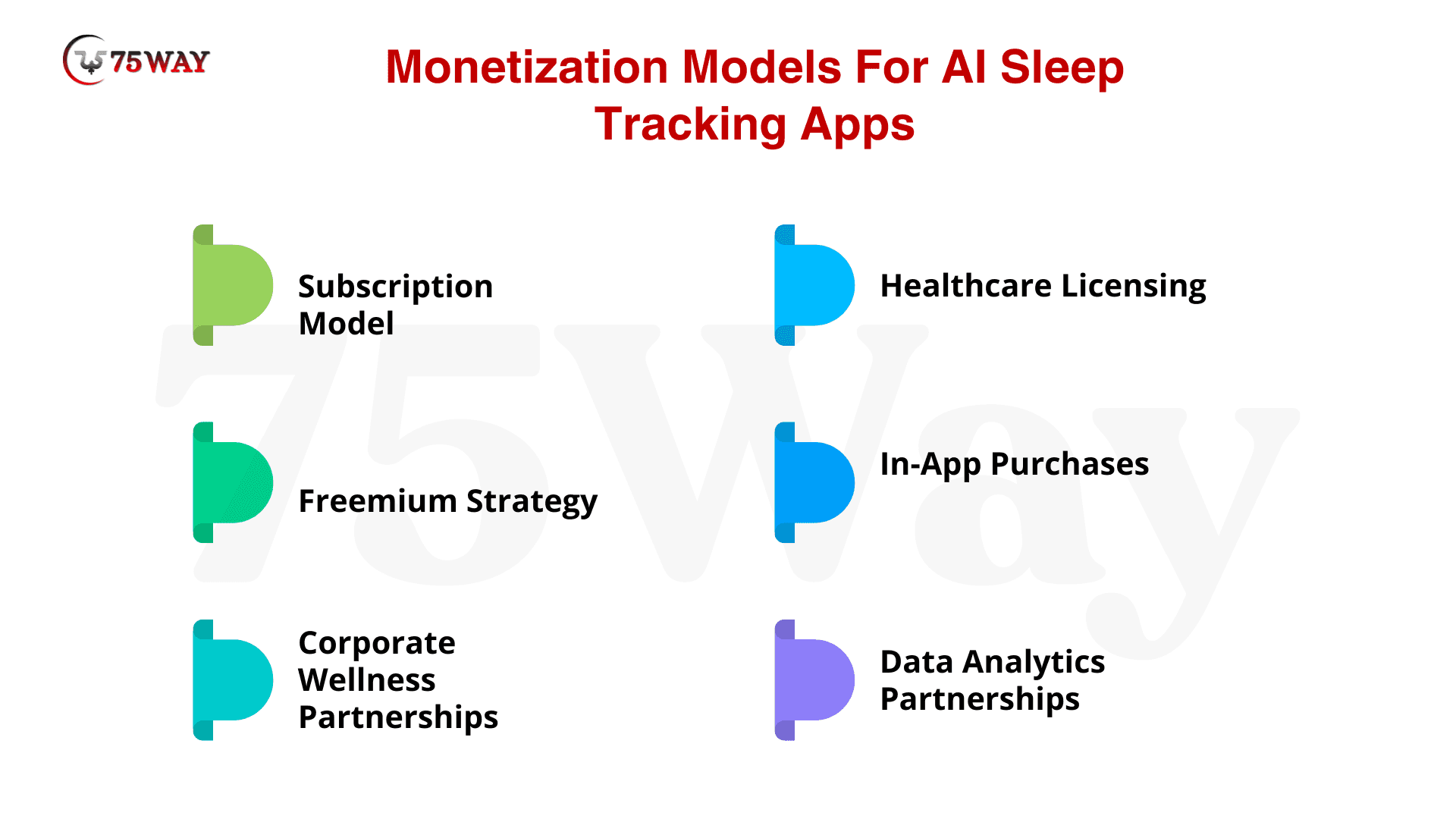
- Subscription Model: Users purchase monthly or yearly plans accessing premium sleep analytics, AI coaching, and wellness recommendations. Recurring subscriptions generate stable long-term revenue opportunities.
- Freemium Strategy: Applications provide free basic tracking features while restricting advanced analytics and personalized insights. Freemium models attract larger audiences and improve conversions.
- Corporate Wellness Partnerships: Businesses integrate sleep tracking platforms into employee wellness initiatives improving productivity and workforce health monitoring. Corporate partnerships generate scalable enterprise-level recurring revenue streams.
- Healthcare Licensing: Healthcare organizations license sleep monitoring platforms supporting remote patient management and wellness analytics services. Enterprise healthcare licensing strengthens long-term commercial growth opportunities.
- In-App Purchases: Users purchase meditation content, relaxation sessions, wellness programs, and personalized sleep therapy experiences individually. In-app purchases create additional monetization opportunities beyond subscriptions.
- Data Analytics Partnerships: Aggregated behavioral analytics support healthcare research and enterprise wellness reporting partnerships responsibly. Privacy-focused data collaboration creates additional commercial revenue opportunities for businesses.
What’s The Cost To Build AI-Driven Sleep Tracker App?
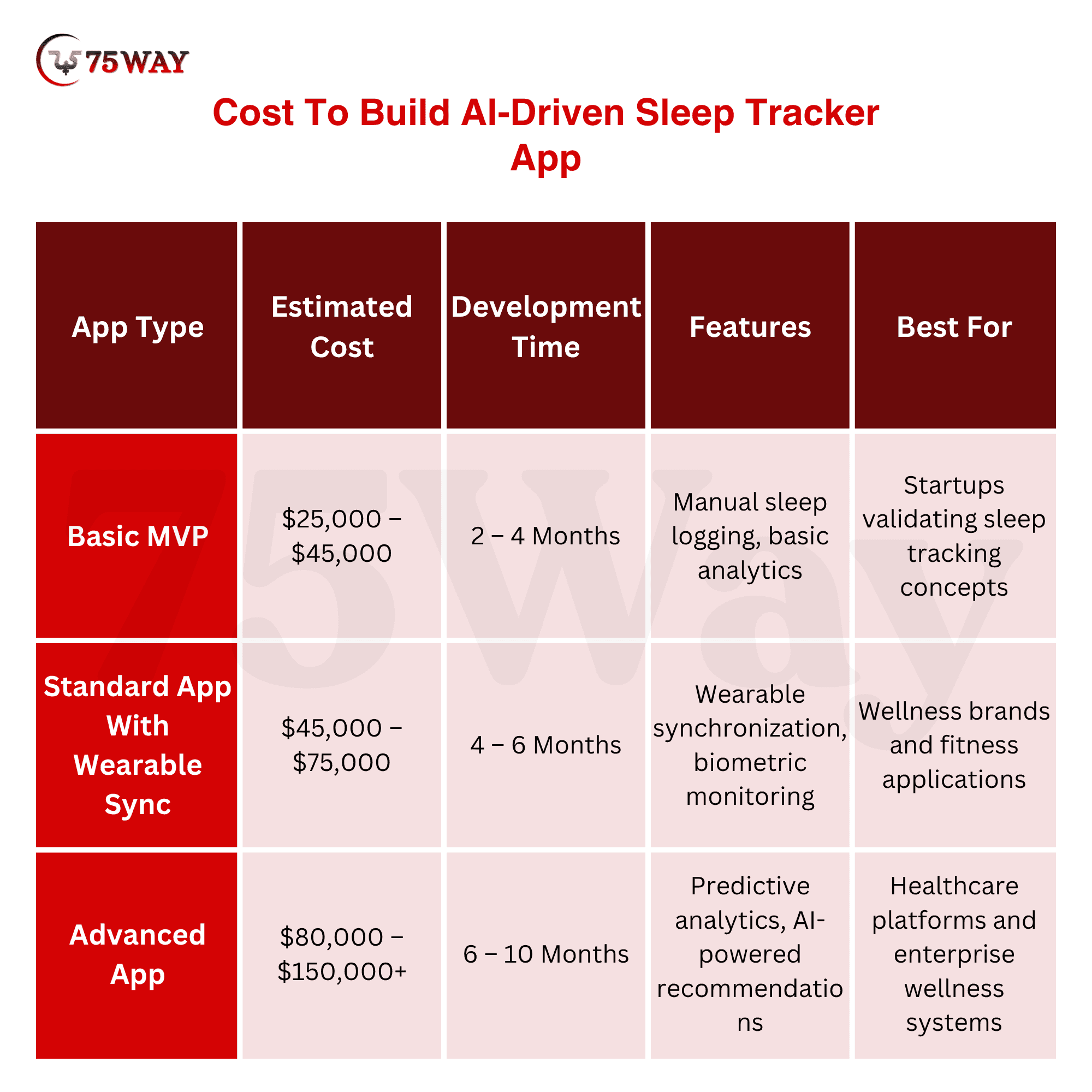
AI sleep tracking app development costs vary depending on application complexity, AI capabilities, wearable integrations, healthcare compliance requirements, and infrastructure scalability. Businesses typically invest between $25,000 – $150,000+ based on feature depth, platform architecture, analytics systems, and long-term product goals for healthcare and wellness markets.
- Basic MVP: $25,000 – $45,000
- Standard App With Wearable Sync: $45,000 – $75,000
- Advanced App: $80,000 – $150,000+
Factors Affecting Sleep Tracker App Development Cost
Several factors directly affect AI sleep tracking app development costs throughout the planning, design, development, and deployment stages.
- Platform selection impacts engineering resources because native iOS and Android development require separate codebases, while cross-platform frameworks reduce initial expenses.
- AI complexity significantly increases costs due to machine learning model training, biometric analytics, predictive recommendation systems, and data processing infrastructure.
- Wearable integrations with Apple Watch, Fitbit, Garmin, and smart rings require additional API development and synchronization testing efforts.
- Compliance requirements such as HIPAA and GDPR introduce security implementation, encryption frameworks, and regulatory documentation expenses.
- UI/UX sophistication also affects development budgets because sleep applications require intuitive dashboards, calming interfaces, and advanced data visualizations.
- Additionally, scalable analytics infrastructure, cloud processing, and real-time synchronization systems contribute substantially to long-term operational and development costs.
Common Challenges In AI Sleep Tracking App Development
Sleep tracking app development involves multiple technical, operational, and regulatory challenges affecting performance, accuracy, scalability, and user engagement. Businesses must address these challenges strategically to build commercially successful sleep monitoring applications.
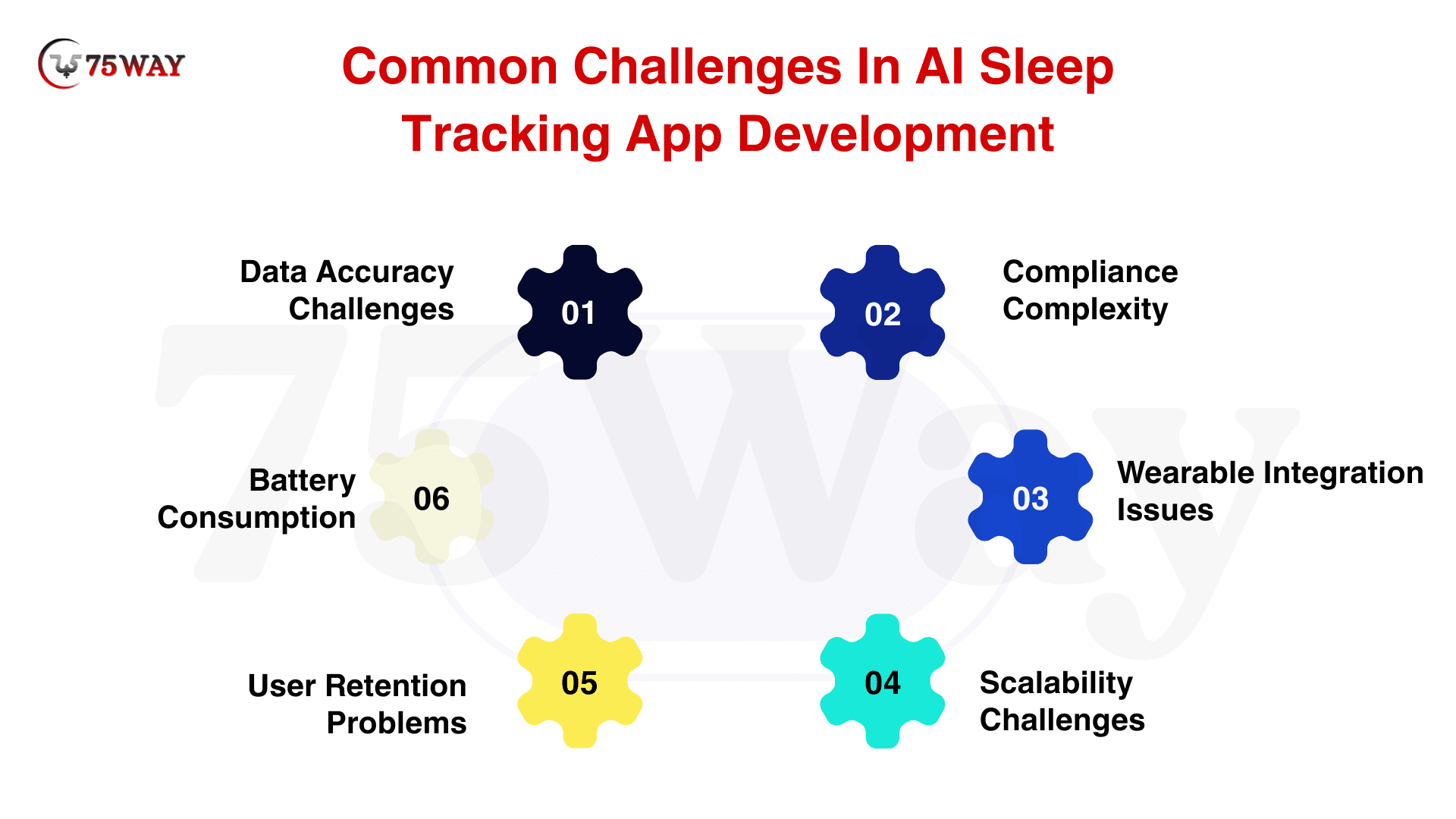
- Data Accuracy Challenges: Consumer-grade wearables may generate inconsistent biometric readings, affecting sleep analysis reliability and recommendation accuracy. Solution: Improve signal filtering, noise reduction techniques, sensor calibration, and AI model training.
- Battery Consumption: Continuous sleep monitoring and wearable synchronization can rapidly drain device battery performance during nighttime tracking sessions.
Solution: Implement background scheduling, edge processing, low-power communication, and smart synchronization technologies.
- User Retention Problems: Many users stop using wellness applications after limited engagement and inconsistent long-term motivation levels.
Solution: Introduce gamification, personalized insights, behavioral nudges, sleep goals, and wellness rewards.
- Compliance Complexity: Global healthcare regulations create additional legal, technical, and operational challenges for sleep tracking applications handling biometric information.
Solution: Begin compliance planning early while implementing HIPAA, GDPR, and secure data protection frameworks.
- Wearable Integration Issues: Device fragmentation and API limitations often create synchronization inconsistencies across wearable ecosystems and operating systems.
Solution: Build a stable API architecture supporting extensive device compatibility and real-time synchronization.
- Scalability Challenges: Growing user bases increase cloud processing loads, analytics complexity, and infrastructure management requirements significantly over time.
Solution: Use scalable cloud infrastructure, modular backend systems, and distributed analytics processing frameworks.
Future Trends To Consider in AI Sleep Tracking Platform Development
AI sleep tracking applications continue evolving through advancements. Future innovations will focus on personalized wellness experiences, preventive healthcare monitoring, emotional analysis, and advanced sleep disorder detection capabilities, improving long-term user health outcomes.
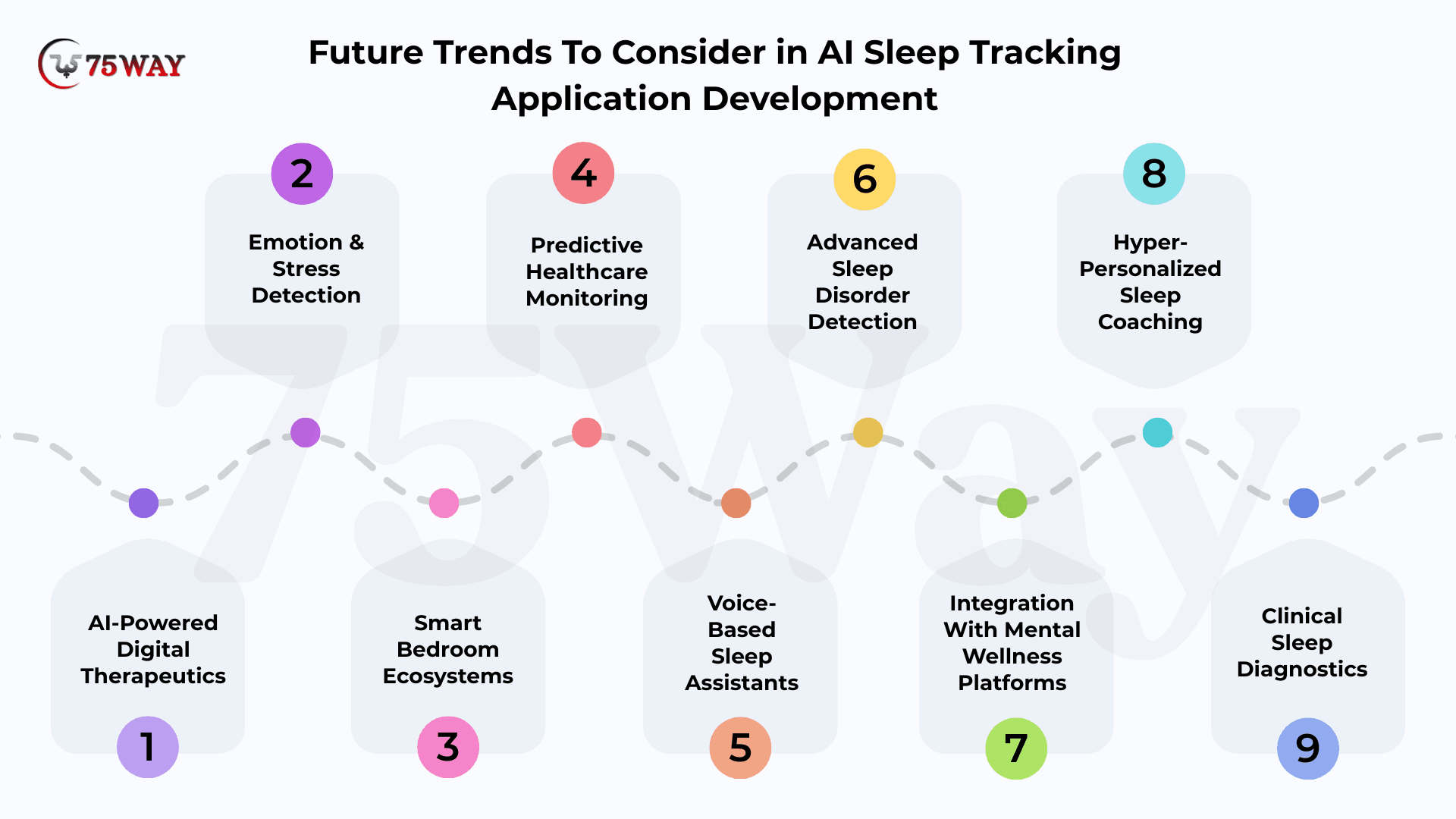
- AI-Powered Digital Therapeutics: AI sleep tracking applications increasingly combine biometric monitoring with behavioral therapy programs, personalized wellness interventions, and guided cognitive sleep improvement experiences.
- Emotion & Stress Detection: Future AI systems will analyze emotional behavior patterns, stress levels, anxiety indicators, and cognitive fatigue using biometric and behavioral datasets.
- Smart Bedroom Ecosystems: Sleep tracking apps will increasingly integrate with connected smart bedroom technologies supporting automated environmental optimization and personalized nighttime experiences.
- Predictive Healthcare Monitoring: Future sleep applications will identify potential health risks early using predictive analytics, biometric intelligence, and continuous behavioral monitoring technologies.
- Voice-Based Sleep Assistants:AI voice agents will provide guided meditation, sleep coaching, bedtime recommendations, and conversational wellness support experiences during nighttime routines.
- Advanced Sleep Disorder Detection: Future platforms will improve detection capabilities for insomnia, sleep apnea, breathing disruptions, and neurological sleep disorders through advanced AI analysis.
- Integration With Mental Wellness Platforms: Sleep tracking applications will increasingly integrate with mental health ecosystems supporting stress management, emotional wellness, and behavioral health monitoring services.
- Hyper-Personalized Sleep Coaching: AI engines will deliver highly personalized sleep optimization recommendations using historical behavior patterns, lifestyle habits, environmental conditions, and biometric analytics.
- Clinical Sleep Diagnostics: AI sleep tracking platforms will increasingly support clinical-grade diagnostics, remote patient monitoring, and collaborative healthcare decision-making through advanced biometric analysis technologies.
Best Practices For Developing Successful AI Sleep Tracking Apps
Building successful AI-based sleep tracking applications requires strong attention toward user experience and long-term engagement strategies. Businesses must combine intelligent analytics, wearable synchronization, and security frameworks to create reliable sleep monitoring platforms for sustainable growth.
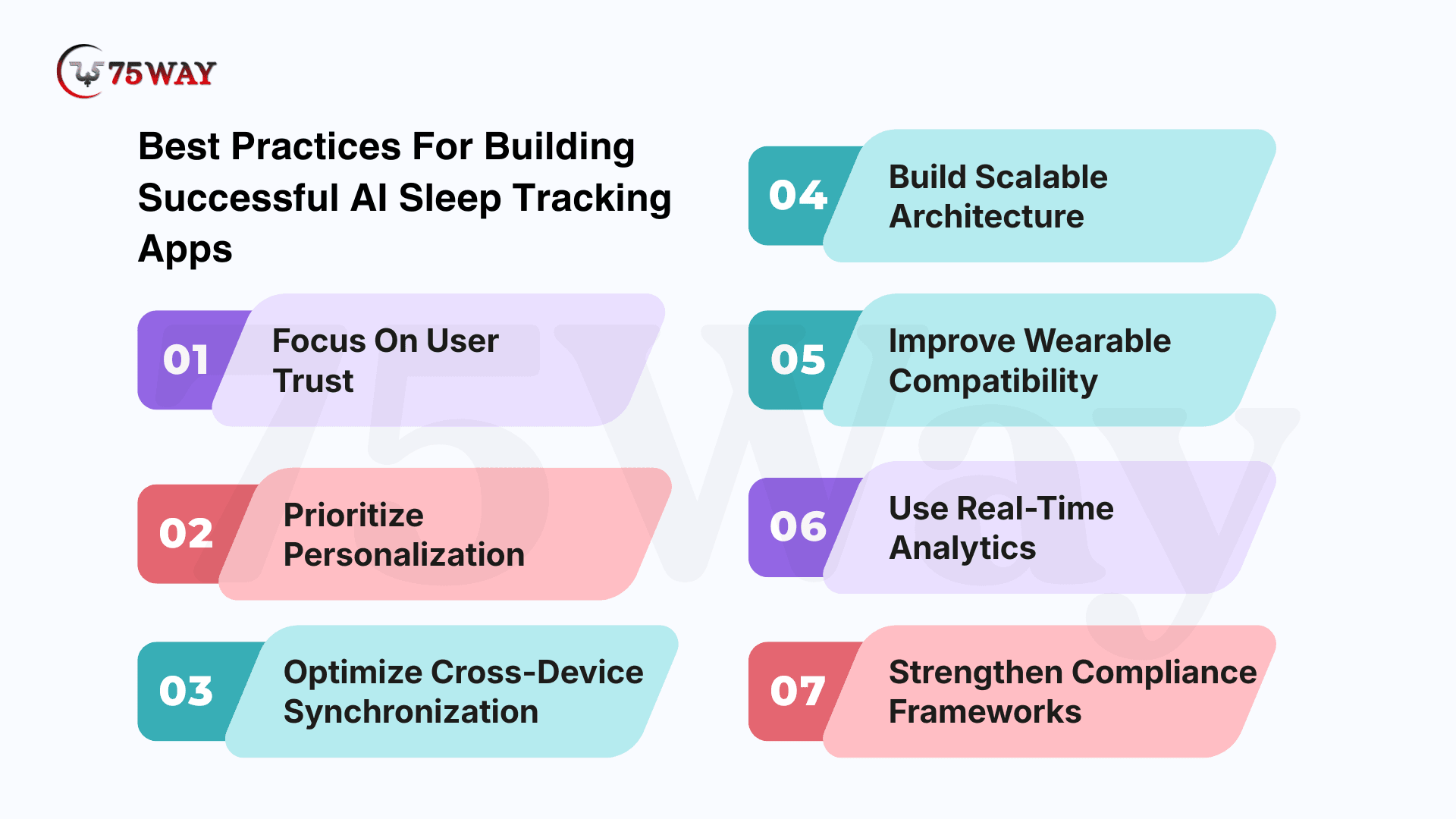
- Focus On User Trust
Transparent data policies, strong security frameworks, and permission controls improve user confidence and long-term application adoption.
- Prioritize Personalization
Personalized recommendations, adaptive insights, and behavioral analytics improve user engagement and strengthen customer retention rates.
- Optimize Cross-Device Synchronization
Stable synchronization across smartphones, tablets, smartwatches, and wearable rings improves tracking reliability and overall user experience quality.
- Build Scalable Architecture
Scalable infrastructure supports future expansion involving telemedicine systems, predictive AI models, enterprise dashboards, and healthcare integrations.
- Improve Wearable Compatibility
Broad wearable compatibility increases application accessibility while supporting larger user bases across diverse fitness and healthcare ecosystems.
- Use Real-Time Analytics
Real-time biometric analytics improve sleep monitoring accuracy, predictive recommendations, and instant behavioral insight generation capabilities.
- Strengthen Compliance Frameworks
HIPAA, GDPR, encryption technologies, and secure authentication systems protect sensitive healthcare and biometric information.
How 75way Technologies Is The Best Choice To Build a Sleep Tracking App?
75way Technologies delivers advanced AI-powered healthcare application development solutions tailored for modern digital health markets. Our development teams specialize in building scalable sleep tracking applications integrated with artificial intelligence, wearable ecosystems, predictive analytics, and cloud-based healthcare infrastructure.
From biometric monitoring and sleep stage classification to wearable synchronization and personalized wellness recommendations, we develop feature-rich platforms aligned with evolving user expectations and healthcare technology standards.
Our expertise covers end-to-end sleep tracking app development including UI/UX design, AI model integration, wearable connectivity, HIPAA-ready security implementation, cloud architecture, and post-launch optimization strategies.
We focus on building high-performance wellness platforms supporting Apple Watch, Fitbit, Garmin, Oura Ring, and other connected healthcare ecosystems. Businesses partnering with our team gain scalable architectures, healthcare-focused security frameworks, advanced analytics capabilities, and long-term technical support designed for sustainable growth and user engagement.
Final Thoughts
To conclude, AI-powered sleep tracking app development requires more than basic sleep monitoring features. Strong platforms combine machine learning, secure cloud infrastructure, wearable integrations, and healthcare compliance frameworks to create meaningful user engagement and sustainable growth. Companies investing in advanced AI capabilities and smart wearable integrations to create a sleep tracker app gain stronger market positioning. If you want to launch a next-generation AI sleep tracker app, reach out to a trusted app development company like 75way Technologies to build intelligent solutions.
Frequently Asked Questions (FAQs)
Can AI Sleep Tracking Apps Work Without Wearable Devices?
Yes, smartphone sensors can monitor movement, sound, and sleep duration without wearables. However, wearable integrations provide stronger biometric accuracy through heart rate, oxygen saturation, respiratory monitoring, and advanced motion tracking. Applications using smartwatches and wearable rings usually deliver deeper sleep insights and more reliable behavioral analysis.
Are AI Sleep Tracking Applications Suitable For Children?
Yes, sleep tracking applications designed for children can help parents monitor sleep schedules, nighttime disturbances, and behavioral patterns. These applications require simplified interfaces, stronger parental controls, secure data handling, and age-appropriate recommendations. Pediatric-focused platforms often include educational guidance supporting healthy bedtime routines and sleep consistency.
Which Industries Can Benefit From AI Sleep Tracking Technology?
Several industries benefit from AI sleep tracking technologies, including healthcare, fitness, insurance, wellness coaching, sports performance, mental health, and corporate wellness sectors. Employers use sleep analytics to improve workforce productivity, while healthcare organizations leverage monitoring tools for remote patient management and preventive health initiatives.
Can AI Sleep Tracking Apps Support Offline Functionality?
Yes, many applications temporarily store biometric information locally when internet connectivity becomes unavailable. Once connectivity returns, the application synchronizes stored information with cloud servers. Offline functionality improves reliability for travelers, athletes, and users living in regions with inconsistent mobile network availability or limited connectivity infrastructure.
Why Do Sleep Tracking Apps Require Cloud Infrastructure?
Cloud infrastructure supports large-scale biometric processing, AI analytics, real-time synchronization, user account management, and multi-device accessibility. Sleep applications continuously process extensive sensor information daily, making scalable cloud environments important for performance, storage flexibility, predictive analytics, and long-term application scalability across growing user bases globally.
Do AI Sleep Tracking Apps Require Medical Certifications?
Not every sleep tracking application requires medical certification. Wellness-focused applications usually avoid strict medical regulations. However, platforms that diagnose disorders, generate clinical reports, or support treatment recommendations may require FDA approvals, depending on target markets and the healthcare functionality provided.
Which Metrics Improve Sleep Tracking Accuracy Most?
Heart rate variability, respiratory activity, oxygen saturation, body movement, skin temperature, and sleep consistency patterns significantly improve the quality of sleep analysis. Combining multiple biometric signals via AI-driven sensor fusion models achieves higher classification accuracy than relying on individual sensors or isolated movement-based tracking approaches alone.