Summary
AI taxi booking apps are transforming ride-hailing with smart features like dynamic pricing, predictive demand, and intelligent route optimization, improving efficiency and user experience. This article explains the development process, technology stack, AI integration, costs, and strategies businesses need to build scalable Android and iOS taxi platforms.
Key Takeaways:
- AI improves ride matching, demand prediction, routing, pricing, and overall taxi platform efficiency.
- Successful taxi apps require passenger, driver, and admin systems working seamlessly together.
- Choosing scalable technologies like React Native, Node.js, and cloud infrastructure ensures performance.
- Market research helps identify user needs, competition gaps, and regional transport regulations.
- AI features like dynamic pricing and predictive demand forecasting increase revenue opportunities.
- Strong security, testing, and compliance strategies ensure reliable operations and user trust.
Learning to develop an AI taxi booking app does not have to be complex. The taxi industry is rapidly evolving as artificial intelligence transforms how ride-hailing platforms operate. Today’s users expect instant bookings, smart route suggestions, dynamic pricing, and faster driver allocation. Through AI taxi booking app development, businesses can integrate machine learning, real-time advanced analytics, and predictive algorithms that significantly improve efficiency and customer satisfaction.
Modern AI-powered taxi apps go far beyond simple location matching. They analyse large volumes of data to forecast demand, optimise routes, detect fraud, and deliver personalised user experiences. These intelligent systems enable quicker decision-making and can improve operational efficiency by up to 40% compared to traditional dispatch models.
The real success of a taxi platform lies in implementing AI features that solve real user problems. With the right strategy, businesses can build a scalable taxi booking app for both Android and iOS while staying competitive in the rapidly growing mobility market
What is a Taxi Booking App?
A taxi booking app is a mobile platform that digitally connects passengers with nearby drivers through real-time GPS matching and automated dispatch systems. Unlike traditional phone-based cab services, these applications enable users to request rides, track driver locations, estimate fares, and complete cashless payments, all within a unified digital experience. The modern taxi booking ecosystem comprises three interconnected components: a passenger app, a driver app, and an administrative dashboard. When you launch a taxi app on Android and iOS simultaneously, you create cross-device access that maximises your market reach, allowing both Android and iOS users to access your service regardless of their device preference.
How to Build and Launch AI Taxi Booking App?
Developing a taxi booking app starts with defining key features for passengers, drivers, and administrators. Proper planning of user journeys ensures a smooth experience. Choosing the right technology stack, such as Swift, Kotlin, or React Native, impacts performance and development speed. The process typically begins with an MVP development, followed by beta testing and improvements before launching the app on iOS and Android.
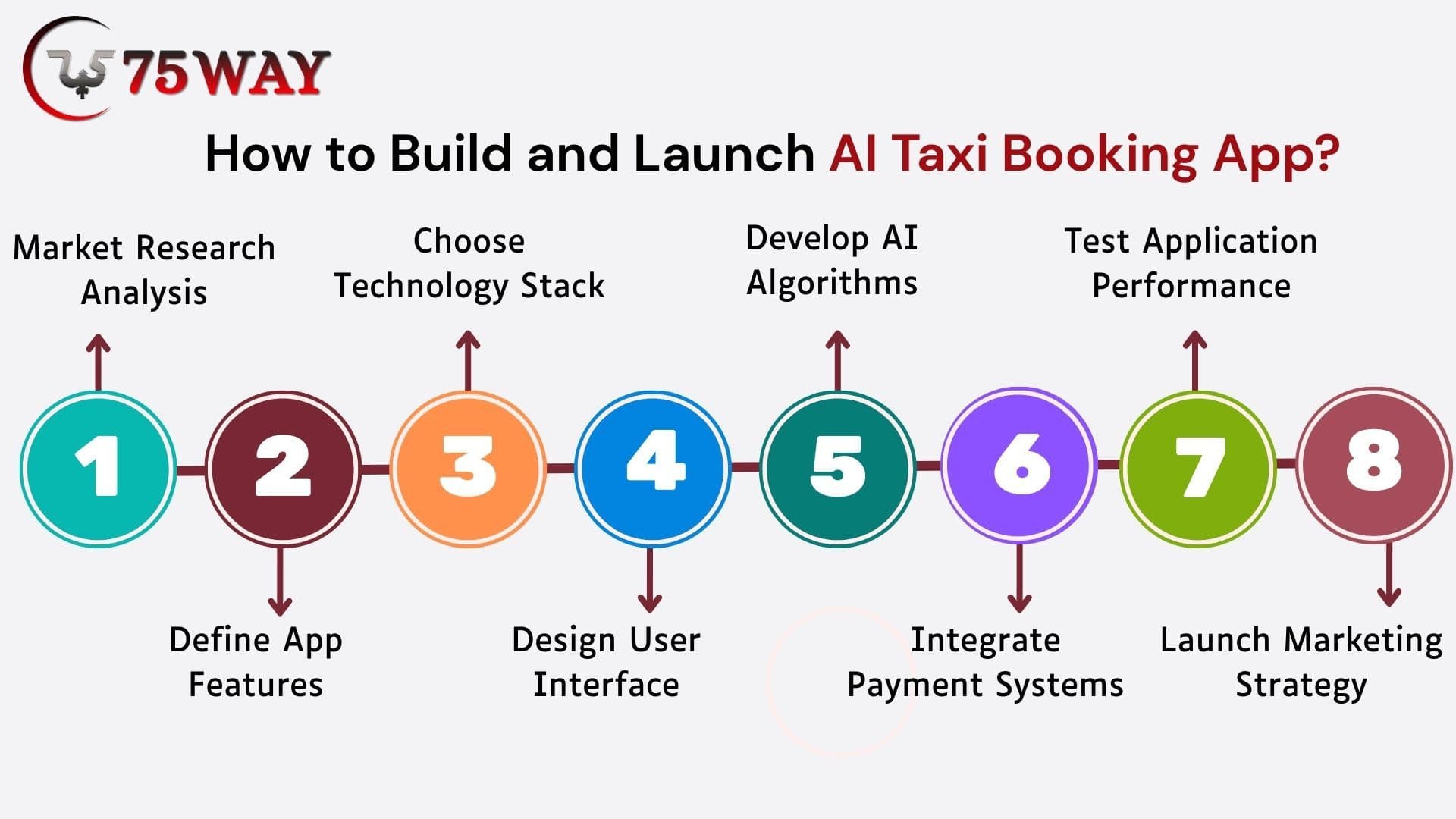
Market Research Analysis
Comprehensive market analysis helps define the right development strategy for a taxi app. Studying competitors like Uber and Lyft reveals important feature gaps and service benchmarks. Key research areas include target audience needs, regional regulations, and infrastructure limits. User surveys can validate pricing, features, and expectations, helping businesses build an efficient minimum viable product without adding unnecessary complexity.
Define App Features
Building a successful taxi booking app requires three connected systems: passenger, driver, and admin platforms. Passengers expect features like GPS tracking, fare estimation, and secure payments, while drivers need navigation, booking alerts, and earnings insights. Admin panels manage users, pricing, and analytics. Adding AI-powered features such as smart ride matching and accurate ETAs helps platforms stay competitive.
Choose Technology Stack
Strategic technology selection fundamentally shapes your platform's scalability, performance, and development timeline. Your taxi app launch strategies must account for both immediate deployment needs and long-term growth potential across Android and iOS ecosystems.
Design User Interface
Effective UI/UX design plays a crucial role in taxi app success, as users decide quickly whether to continue or leave. Interfaces should enable quick ride booking with clear status updates and a consistent design across Android and iOS. Features like predictive destination search, live vehicle tracking, and visible fare estimates improve usability. Accessibility, simple navigation, and minimal booking steps enhance the overall user experience.
Develop AI Models
AI-powered routing can turn a taxi app into a smart mobility platform. Machine learning analyzes traffic, weather, and real-time congestion to suggest the fastest routes and reduce wait times. Demand forecasting helps predict ride requests, while dynamic pricing balances driver availability and rider demand. AI chatbots handle common support queries, improving efficiency and overall user experience.
Integrate Payment Systems
Secure and seamless payments are essential for converting ride requests into confirmed bookings. A taxi app should support multiple payment gateways to match regional preferences, such as UPI in India and Apple Pay in global markets. Using tokenized card storage improves security, while wallet systems and split payments enhance convenience. Backup gateways and automatic retry systems help prevent transaction failures and maintain booking success rates.
Test Application Performance
Thorough testing helps identify issues before a taxi app goes live. Load testing with thousands of simulated booking requests ensures the system can handle heavy traffic. Taxi booking apps should be tested across different devices, networks, and operating systems for consistent performance. Automated tests must verify key actions such as booking, cancellation, and payment, while monitoring battery usage and AI routing accuracy across various real-world conditions.
Launch Marketing Strategy
User acquisition should begin before the taxi app officially launches. Pre-launch campaigns and limited beta releases in selected locations help test marketing strategies and gather early feedback. Referral programs and influencer promotions can attract initial users in high-demand areas. Tracking conversions from app store visits to completed rides helps measure success, while balanced incentives ensure growth without relying on excessive discounts.
Tech Stack Used in AI Taxi App Development
Platform-Specific Frameworks:
React Native enables cross-platform taxi app development with high code reuse while maintaining near-native performance. For fully native apps, Kotlin is used for Android and Swift for iOS, offering deeper hardware integration and platform-specific optimization.
Backend Infrastructure:
Use Node.js to handle real-time communication and quickly match drivers with passengers. Choose PostgreSQL for structured transactional data or MongoDB for flexible data storage. Deploy the platform on AWS or Google Cloud for scalable infrastructure, and use Redis caching to reduce database load and improve performance during peak traffic.
AI Integration Layer:
Incorporate TensorFlow or PyTorch frameworks to power predictive fare algorithms and route optimisation. These machine learning libraries enable continuous model refinement as your user base expands, progressively improving accuracy through operational data accumulation.
Market Overview: AI Taxi Booking App
The taxi booking industry is rapidly evolving with artificial intelligence improving how passengers request rides. Predictive algorithms help reduce waiting times and enhance driver-passenger matching, increasing booking success rates. Modern users now expect features like real-time ETAs, smart route optimization, and dynamic pricing as standard. Strong investor interest and growing smartphone adoption continue to expand the market, especially in emerging regions where app-based transportation still has significant growth potential.
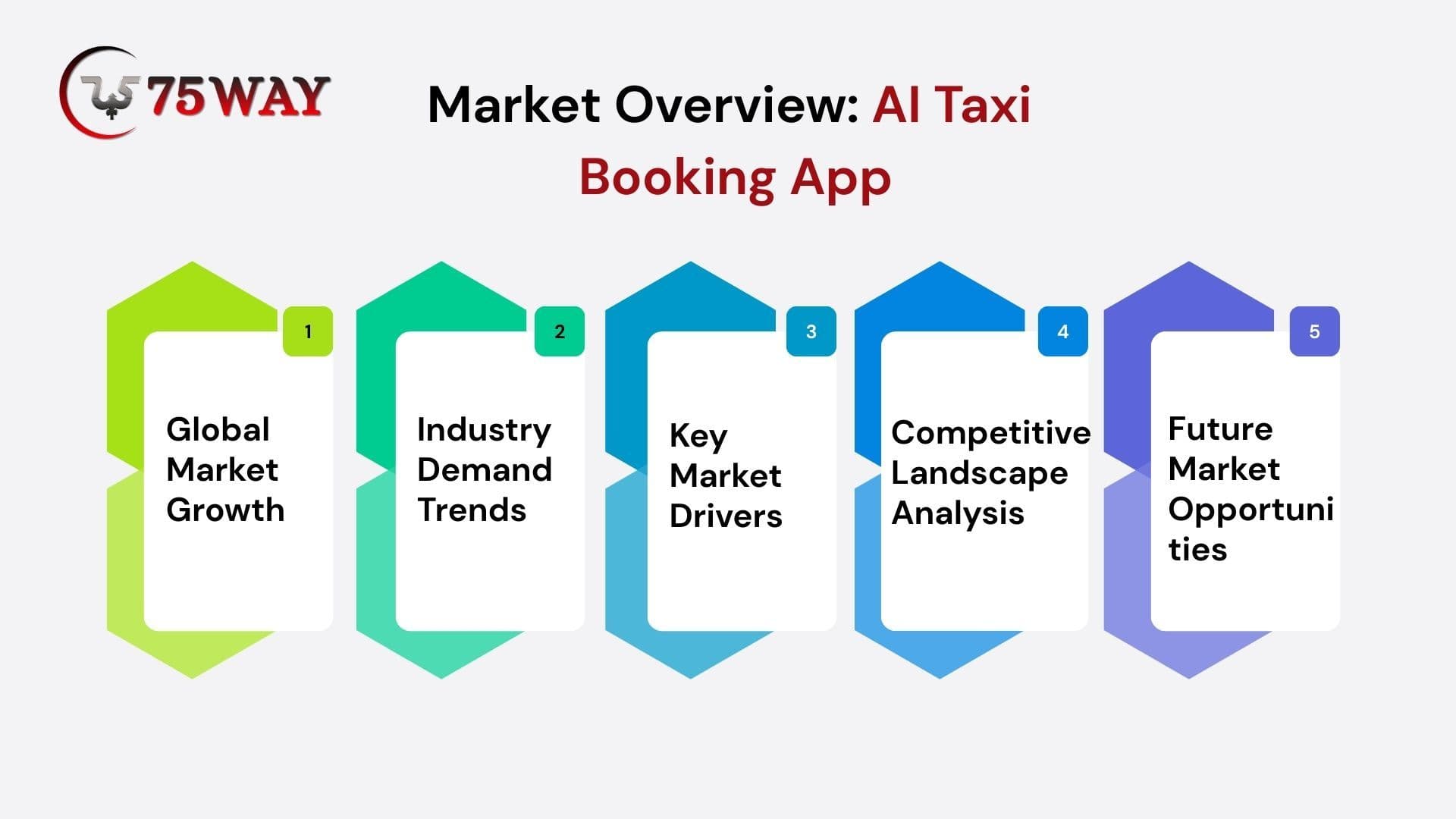
Global Market Growth
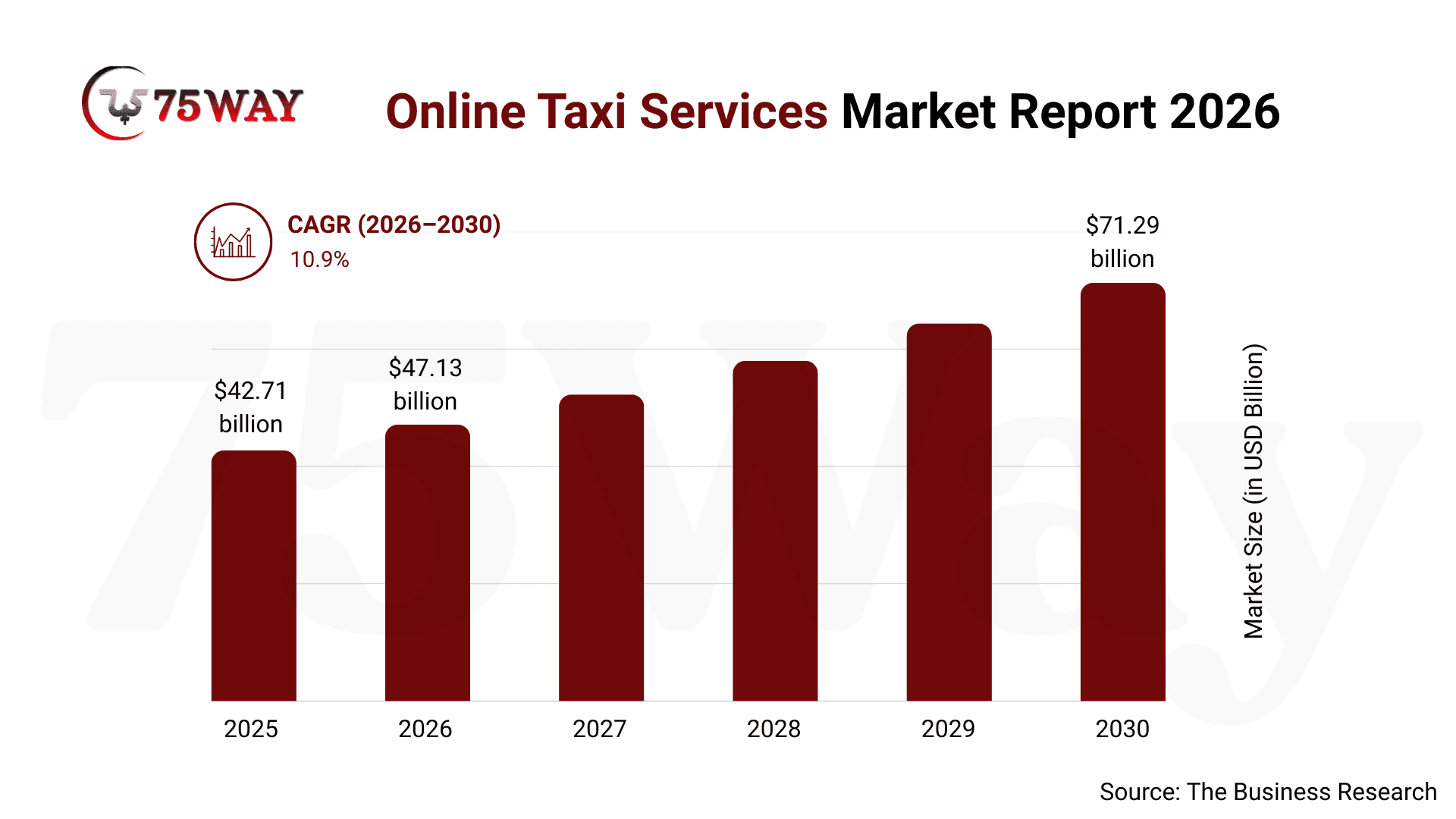
The ride-sharing market is expected to grow rapidly, driven by rising smartphone use and increasing demand for on-demand transport. Emerging regions show strong adoption potential, while developed markets focus on advanced features and sustainability, creating opportunities for AI-driven mobility platforms.
Industry Demand Trends
Consumer expectations in transportation are changing quickly. Passengers now expect smart routing, transparent pricing, and seamless app experiences. AI-driven personalization, eco-friendly ride options, and strong safety features like driver verification and real-time monitoring are becoming essential in modern taxi apps.
Key Market Drivers
Technological advances and shifting consumer habits are driving the rise of AI-powered taxi apps. Widespread smartphone use, smarter routing, and digital payments support growth, while urbanization, gig economy drivers, and demand for shared mobility increase the need for efficient ride-hailing services.
Competitive Landscape Analysis
Technological advances and shifting consumer habits are driving the rise of AI-powered taxi apps. Widespread smartphone use, smarter routing, and digital payments support growth, while urbanization, gig economy drivers, and demand for shared mobility increase the need for efficient ride-hailing services.
Future Market Opportunities
Autonomous vehicles and robotaxis are set to reshape urban transportation. Platforms that support both human-driven and autonomous fleets can expand into services like delivery and medical transport, creating new revenue streams and becoming key parts of smart city mobility systems.
Key Benefits of Developing An AI Taxi Booking App
Artificial intelligence brings major operational benefits to taxi platforms. AI-driven models for demand forecasting help position drivers in busy areas, improving fleet usage and reducing fuel consumption through optimized routing. Automated customer support powered by natural language processing can handle most routine queries, lowering operational costs. Machine learning also refines pricing strategies using real-time data. Additionally, personalization features and predictive vehicle maintenance improve reliability, enhance user retention, and create long-term competitive advantages for mobility platforms.
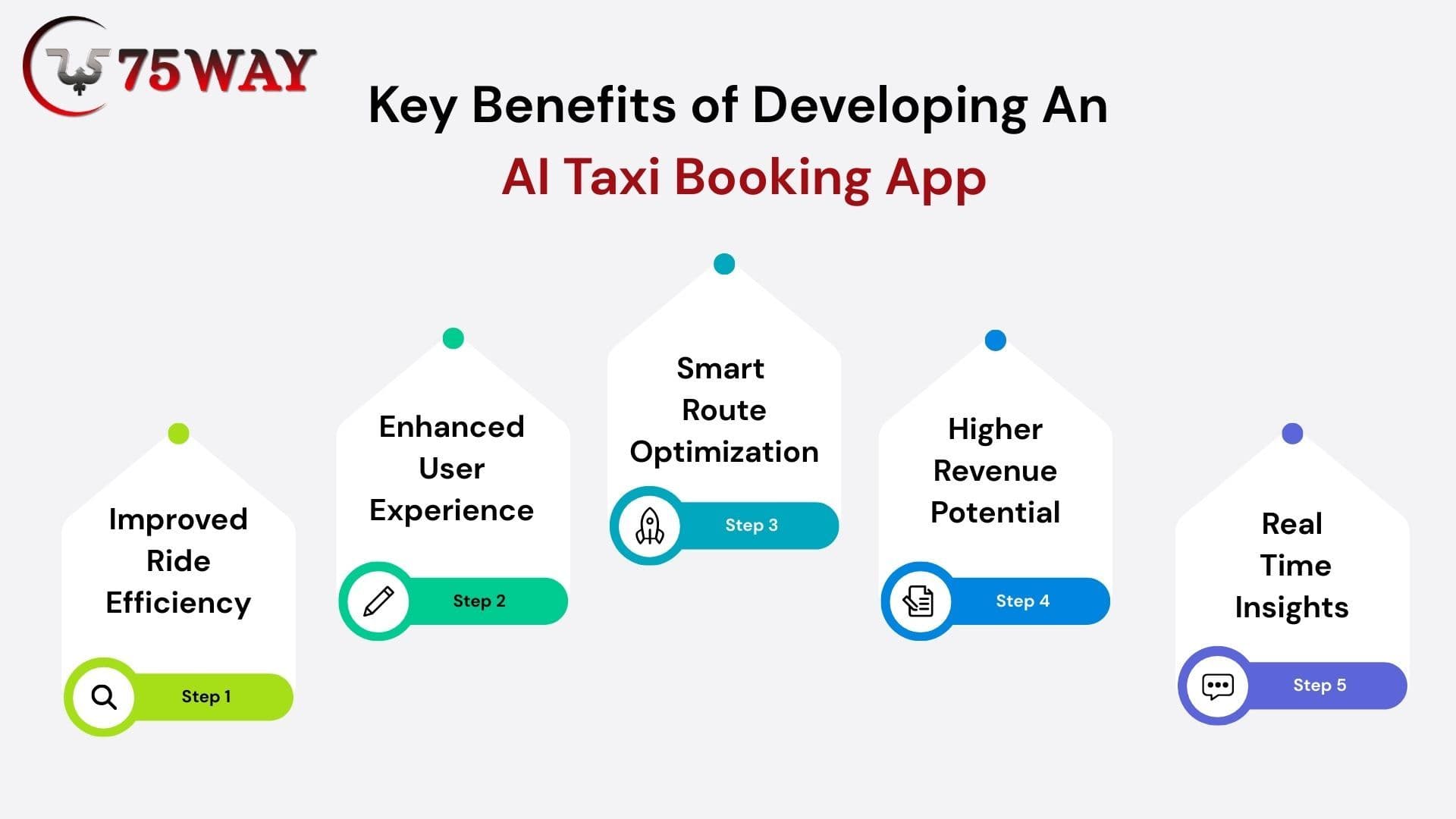
Improved Ride Efficiency
AI-powered dispatch systems match drivers and passengers based on location, traffic, and demand patterns. This reduces wait times, minimizes empty trips, improves driver productivity, and ensures faster, more efficient ride completion.
Enhanced User Experience
AI personalizes the taxi booking experience by suggesting frequent destinations, predicting travel times, and enabling faster bookings. Features like real-time tracking, smart notifications, and easy payments make rides more convenient.
Smart Route Optimization
AI analyzes traffic data, road conditions, and historical patterns to determine the fastest routes. Dynamic rerouting during trips helps avoid congestion, reduce travel time, lower fuel consumption, and improve overall ride efficiency.
Higher Revenue Potential
Dynamic pricing and demand forecasting help maximize earnings by adjusting fares based on demand and supply. Artificial Intelligence also increases trip frequency and enables premium services, creating additional revenue opportunities.
Real Time Insights
AI analytics dashboards process live operational data to reveal demand patterns, driver availability, and revenue trends. These insights help operators make faster decisions, optimize fleet performance, and improve service quality.
Limitations and Considerations
AI-powered taxi apps face several technical challenges. Their accuracy depends on high-quality training data, and real-time processing requires strong cloud infrastructure to handle peak demand. Integrating AI with existing systems like payment gateways and dispatch platforms can also be complex. Additionally, evolving user behavior and varying regulations require continuous monitoring, updates, and careful testing to maintain reliability and compliance.
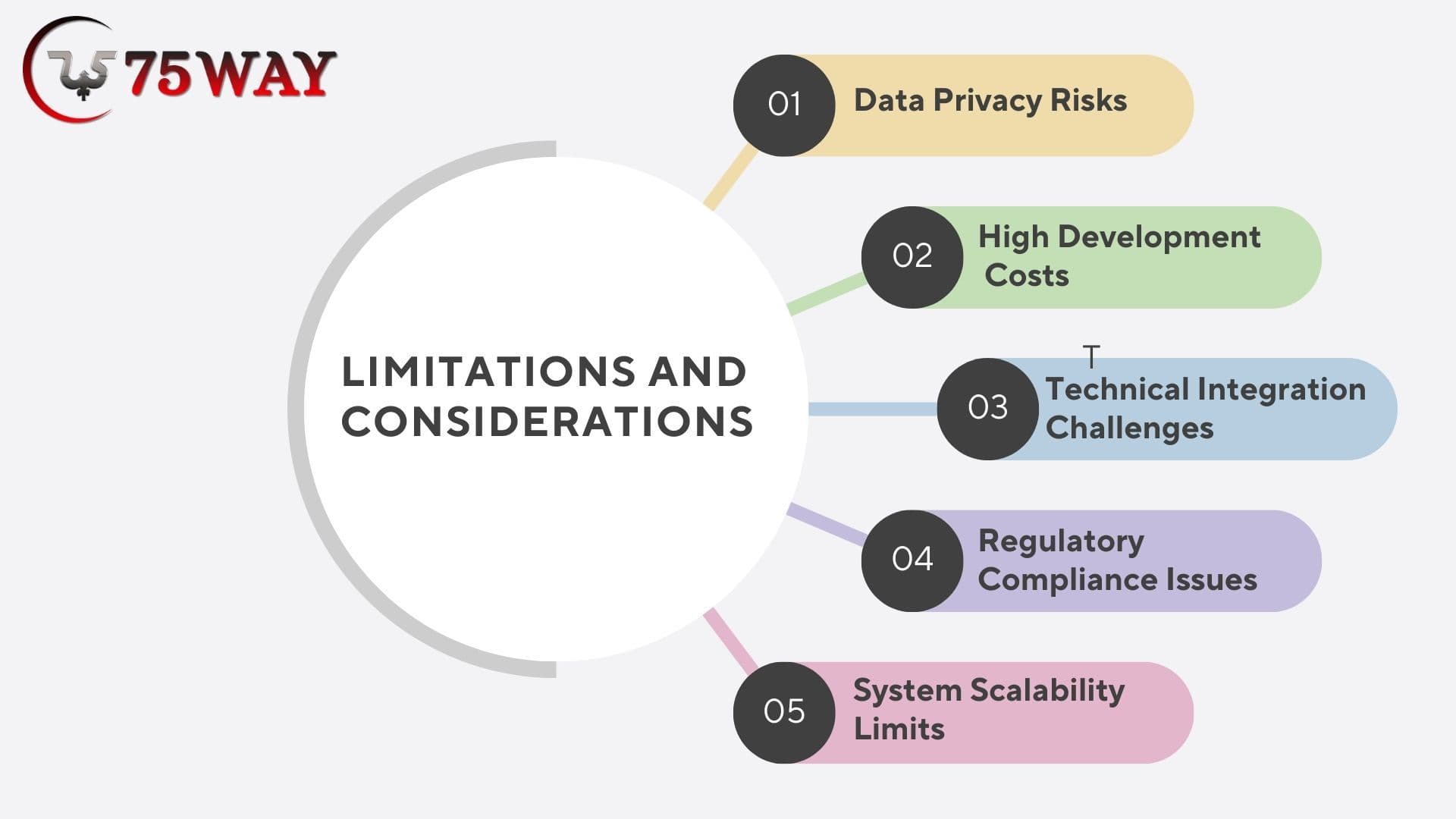
Data Privacy Risks
AI taxi apps collect sensitive data like locations, payments, and user behavior. Poor security can lead to breaches, identity theft, and loss of trust, requiring strong encryption, access controls, and strict data protection policies.
High Development Costs
Building AI-powered taxi apps requires major investment in software development, machine learning models, cloud infrastructure, and skilled engineers. Continuous updates, server maintenance, and AI model training further increase long-term operational expenses.
Technical Integration Challenges
Integrating AI systems with payment gateways, maps, GPS tracking, and existing platforms can be complex. Compatibility issues between APIs, legacy systems, and third-party services often increase development time and technical maintenance efforts.
Regulatory Compliance Issues
Taxi platforms must follow transportation laws, data privacy regulations, and AI governance rules. Different countries enforce unique requirements for licensing, safety standards, and data handling, making compliance management complex for global operations.
System Scalability Limits
As user numbers grow, AI systems must process larger volumes of real-time data. Poor infrastructure planning can slow performance, increase server costs, and create difficulties maintaining fast response times during peak demand periods.
Conclusion
Launching an AI-powered taxi booking app requires a clear strategy, advanced technology, and a strong understanding of market demand. Businesses must focus on building reliable passenger, driver, and admin systems while integrating intelligent AI features such as smart ride matching, demand forecasting, and dynamic pricing. A scalable cloud infrastructure and secure payment integration ensure consistent performance as the platform grows. Careful planning of user experience, testing, and compliance with regional transportation regulations also plays a crucial role in long-term success. With the growing demand for smart mobility solutions, companies that combine AI innovation with efficient operational models can gain a strong competitive advantage in the ride-hailing industry. Partner with a professional taxi booking app development company to build and launch your AI-powered ride-hailing platform successfully.
Frequently Asked Questions
How much does it cost to develop an AI-powered taxi booking app?
Development costs typically range from $5,000 to $150,000+, depending on feature complexity, AI integration depth, and platform requirements. Basic MVP versions start around $30,000–$50,000, while comprehensive solutions with advanced AI capabilities exceed $100,000.
What are the essential AI features for a competitive taxi app in 2026?
AI-powered taxi apps require intelligent route optimization
- dynamic pricing algorithms
- predictive demand forecasting
- natural language chatbots
- driver behavior analysis. Computer vision for safety monitoring and personalized recommendation engines increasingly differentiate premium platforms from basic booking services.
How long does it take to launch an AI taxi booking application?
Timeline varies from 4–6 months for simplified MVPs to 12–18 months for feature-rich platforms. Development phases include planning (4–6 weeks), design (6–8 weeks), development (12–24 weeks), testing (4–6 weeks), and deployment (2–4 weeks). Regulatory approval processes may extend timelines significantly.
Which technology stack is best for cross-platform taxi apps?
React Native and Flutter dominate cross-platform development, offering 70–80% code reusability between iOS and Android. Backend typically uses Node.js or Python with PostgreSQL databases, whilst AI services leverage TensorFlow or PyTorch frameworks integrated through cloud platforms like AWS or Google Cloud.