Summary
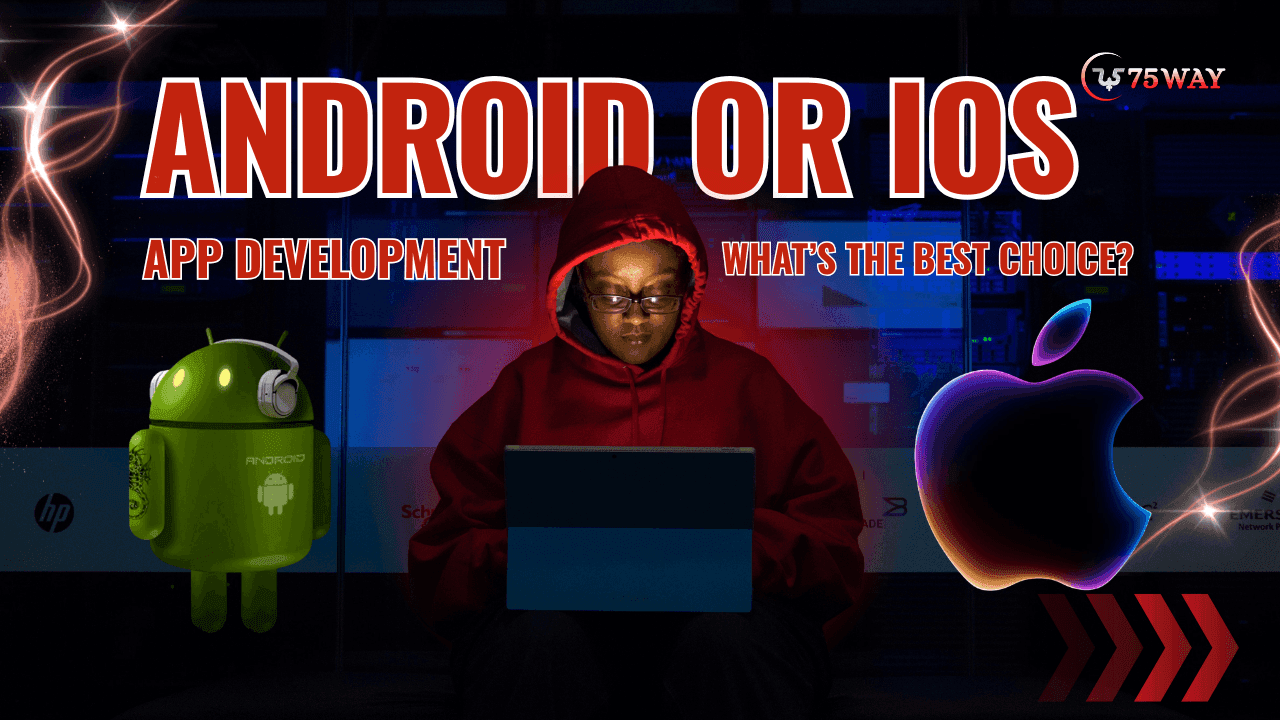
Android or iOS app development? Choosing between Android and iOS app development depends on your target audience, budget, and business goals. Android offers a wider global reach and flexibility, while iOS ensures higher revenue potential and premium users. This blog explains key differences in cost, performance, tools, and monetization to help you select the best platform.
Quick Overview
- Android offers a broader global reach with diverse device compatibility worldwide.
- iOS provides higher monetization opportunities with premium user base engagement.
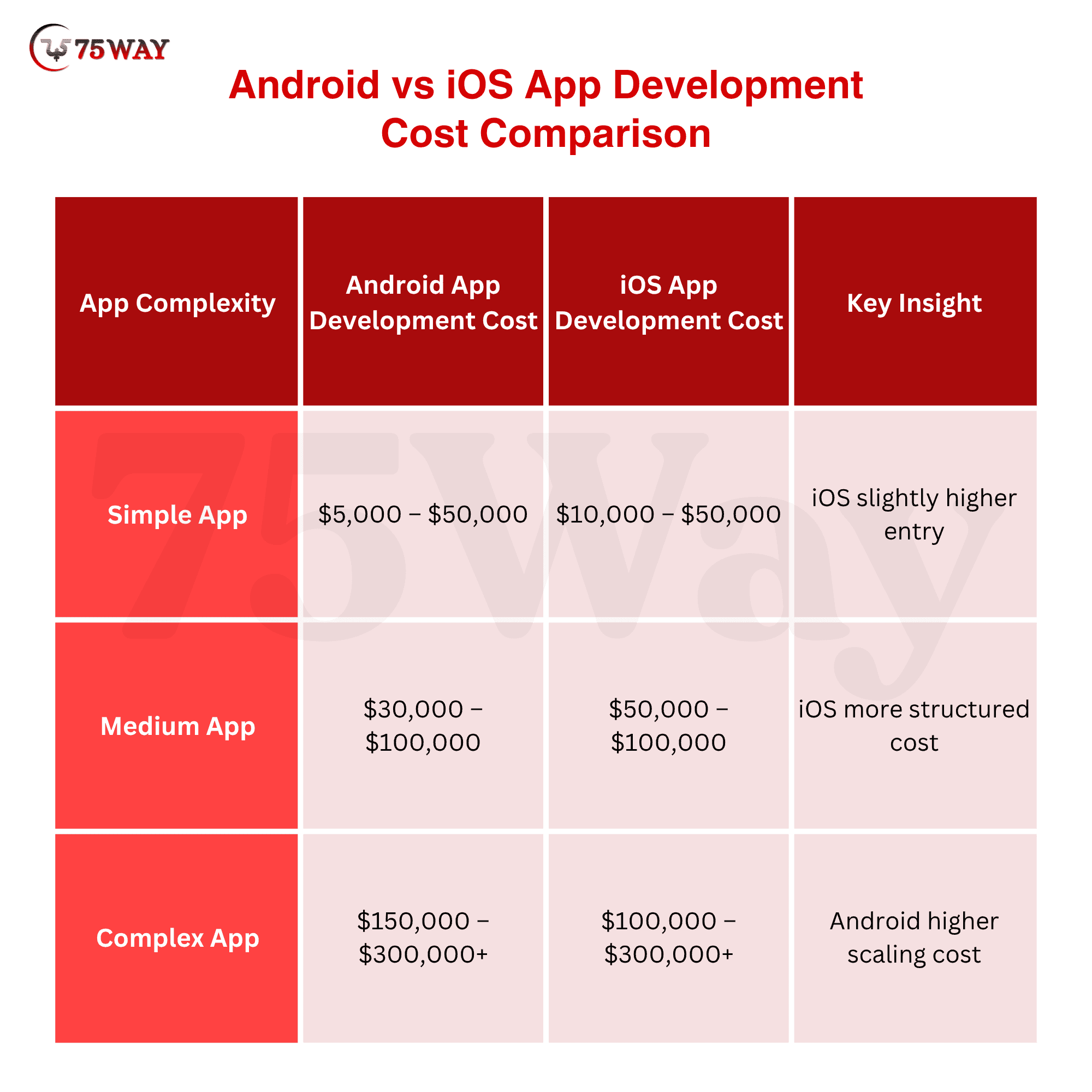
- Android app development costs typically range between $5,000 and $300,000+
- iOS app development costs typically range between $10,000 and $300,000+
- Android development is flexible but requires handling multiple device variations.
- iOS ensures better performance consistency due to controlled ecosystem design.
Choosing between Android and iOS app development depends entirely on your business goals, target audience, and revenue strategy. Android offers broader global reach, lower entry barriers, and high scalability across diverse devices, while iOS apps deliver stronger monetization, premium users, and consistent performance within a controlled ecosystem. The key difference lies between accessibility and profitability: Android prioritizes mass adoption, while iOS focuses on quality engagement and higher-spending users.
Both platforms dominate the market but serve different strategic purposes. Businesses must evaluate cost, development complexity, user demographics, and long-term growth potential before making a decision. A wrong choice can limit app success, while the right app development approach can accelerate growth. This blog provides a complete overview of Android vs iOS development, including differences, costs, performance, and monetization insights.
What is Android App Development?
Android app development is the process of creating software applications that run on devices using the Android operating system. It involves designing, coding, testing, and deploying apps that run on smartphones, tablets, smart TVs, and Android-powered wearables.
This development is typically done using programming languages, such as Kotlin and Java, along with tools like Android Studio. Developers build applications that can be published on the Google Play Store, reaching a wide global audience across different device manufacturers and price segments.
What is iOS App Development?
iOS app development is the process of building applications for Apple devices such as iPhones, iPads, and iPods. It focuses on creating high-performance, secure, and user-friendly apps within Apple’s closed ecosystem.
iOS developers use programming languages, like Swift and Objective-C, along with Xcode to design, code, and test applications. These apps are then distributed through the Apple App Store, ensuring a controlled, high-quality experience for users across all supported Apple devices.
What’s the Difference Between Android and iOS App Development?
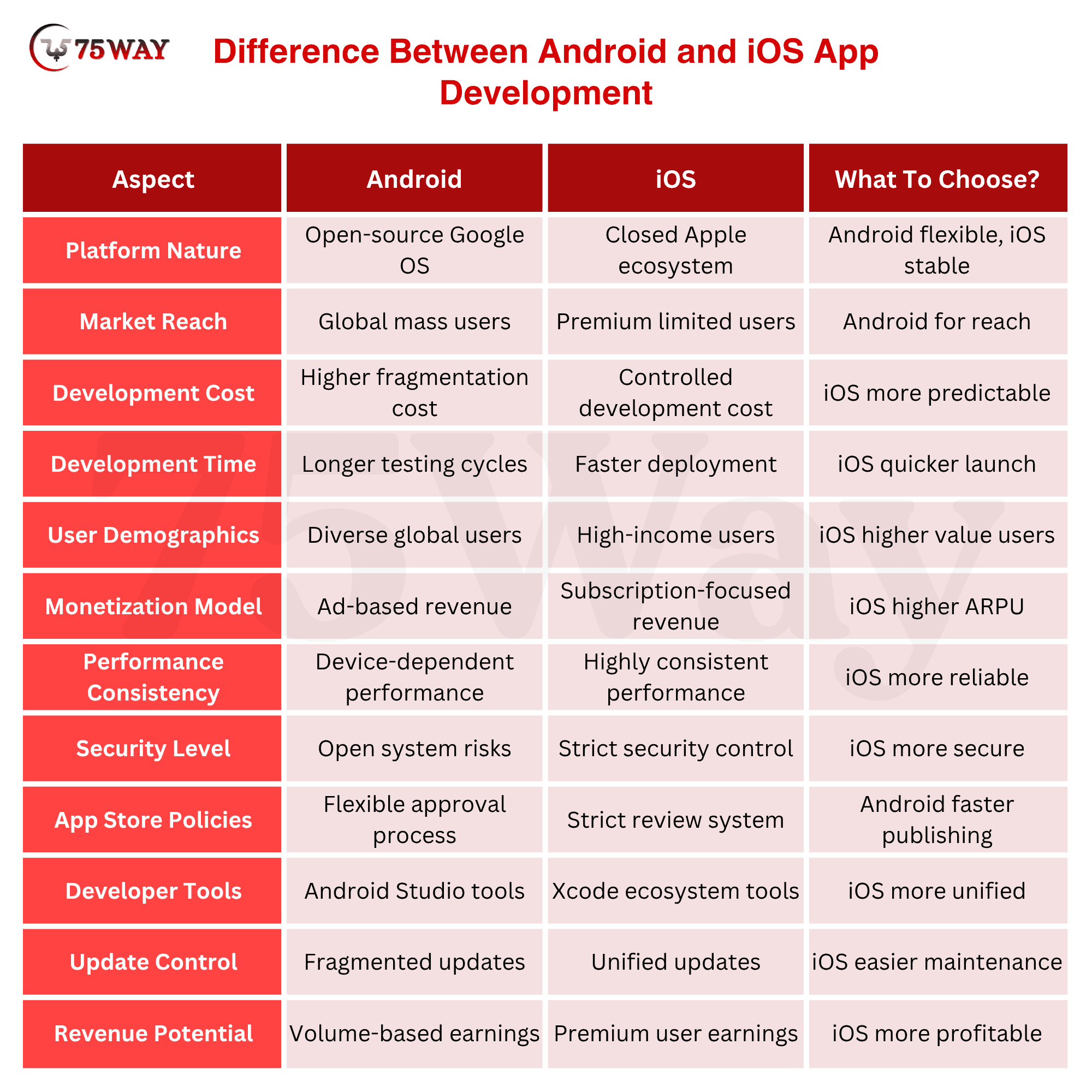
Android and iOS app development differ mainly in platform structure, development approach, cost, performance, and monetization potential. Android app development is based on an open-source ecosystem created by Google.
It allows developers to build applications that run on a wide variety of devices from multiple manufacturers. iOS app development, on the other hand, operates within Apple’s closed ecosystem and is restricted to Apple devices like iPhones and iPads. Their major differences are:
1. Platform Nature
Android is an open-source operating system developed by Google that allows manufacturers and developers to modify and customize it for different hardware and business needs. This openness makes it highly adaptable across a wide range of devices and price segments.
In contrast, iOS is a closed, tightly controlled ecosystem created by Apple and designed exclusively for Apple devices. This structure ensures uniform design standards, seamless integration, and highly optimized performance across all supported devices.
2. Market Reach
Android holds the largest global smartphone market share, driven by its presence in affordable devices and its wide availability across both developed and developing regions. This makes it a powerful platform for reaching a massive and diverse audience.
Conversely, iOS operates with a smaller but more premium user base, primarily concentrated in developed markets. Its users are typically more engaged with digital services and spend more on apps and subscriptions.
3. Development Cost
Android app development cost usually demands higher investment due to the need to support multiple screen sizes, hardware variations, and operating system versions. This increases testing complexity and overall project effort.
In comparison, iOS development benefits from a standardized hardware ecosystem, which reduces fragmentation. While it simplifies development and testing, the requirement for skilled developers and adherence to Apple guidelines can still raise overall costs.
4. Development Time
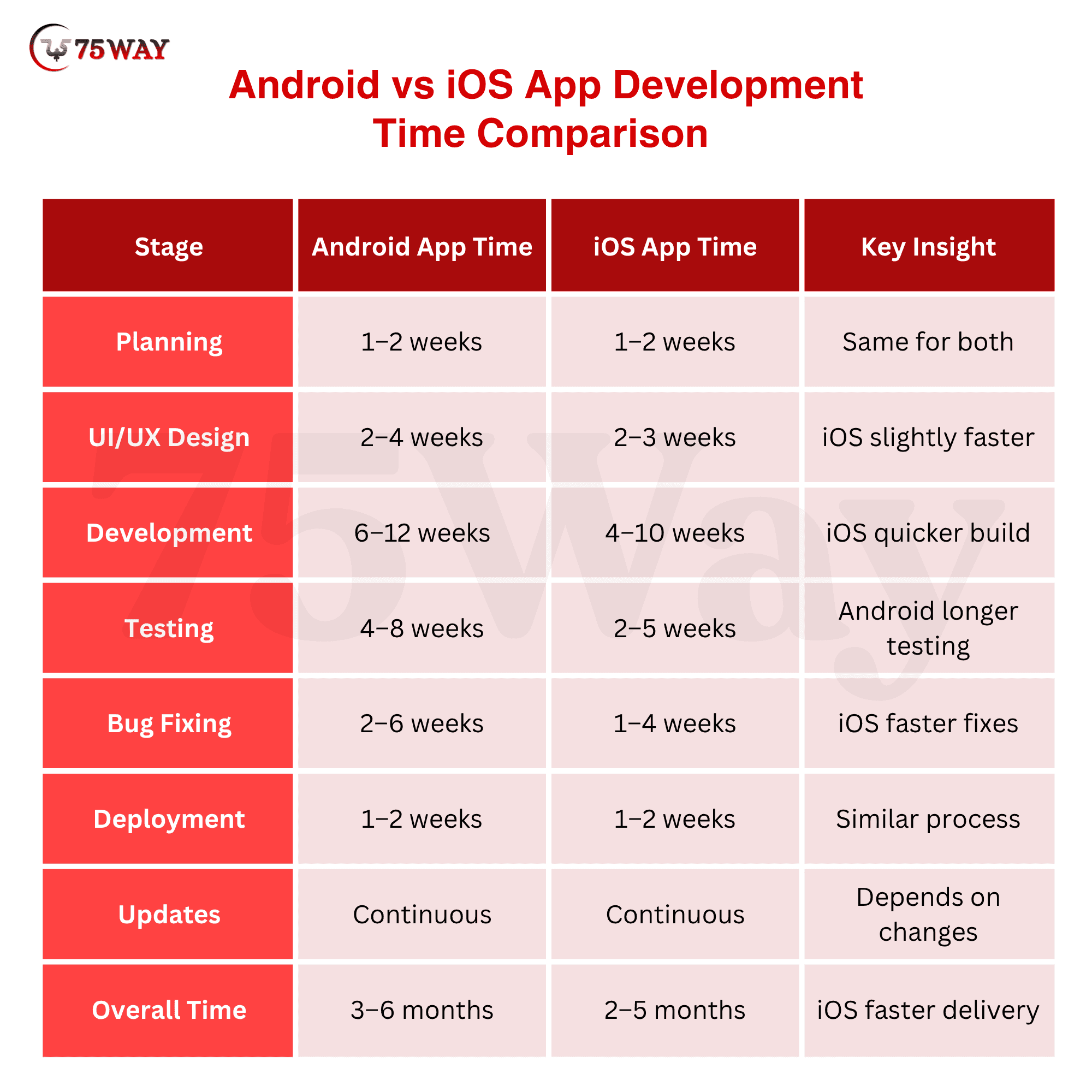
Building Android applications often takes more time because developers must ensure compatibility across a wide range of devices and manufacturers. This leads to longer testing and debugging cycles.
Meanwhile, iOS applications can be developed and deployed more quickly due to fewer devices and a controlled ecosystem. This consistency helps streamline testing and speeds up time-to-market.
5. User Demographics
Android caters to a broad and diverse global audience, including users across all income levels and regions. This makes it ideal for businesses targeting mass adoption and wide accessibility.
In comparison, iOS users are generally part of higher-income groups in developed countries. They are more inclined toward premium digital experiences and are more likely to spend on paid apps and services.
6. Monetization Model
Android monetization strategies often rely on advertisements, freemium models, and large-scale user acquisition. The platform’s vast user base supports revenue generation through volume-driven approaches.
In contrast, iOS generates stronger revenue per user through paid applications, subscriptions, and in-app purchases. Users on this platform are more comfortable spending on digital products and services.
7. Performance Consistency
Android performance can vary depending on device manufacturers, hardware specifications, and software customizations. This leads to differences in speed, responsiveness, and user experience.
On the other hand, iOS delivers highly consistent performance because Apple controls both hardware and software. This integration ensures smoother optimization and stable app behavior across all devices.
8. Security Level
Android provides greater flexibility but faces higher security risks due to its open ecosystem and support for third-party app installations. This increases the need for additional security measures from developers.
iOS is widely regarded as more secure because of Apple’s strict app review policies and closed ecosystem. These controls significantly reduce vulnerabilities and unauthorized access risks.
9. App Store Policies
Android offers a more flexible app publishing process on the Google Play Store, allowing faster approvals and easier updates for developers.
In contrast, iOS follows a strict review system that prioritizes quality, security, and compliance. While this improves app standards, it can also extend approval timelines.
10. Developer Tools
Android development primarily uses Android Studio along with Kotlin or Java, offering flexibility but requiring adaptation to multiple device environments and configurations.
iOS development uses Xcode with Swift or Objective-C, providing a more unified and structured development environment that enhances performance optimization and consistency.
11. Update and Fragmentation Control
Android suffers from fragmentation because updates depend on manufacturers and carriers, leading to inconsistent operating system versions across devices.
In contrast, iOS ensures uniform updates across all supported devices directly from Apple. This allows developers to maintain consistency and optimize apps more effectively.
12. Revenue Potential
Android generates revenue at scale through advertising and high user volume, making it suitable for businesses targeting mass markets.
Meanwhile, iOS delivers higher revenue per user due to strong purchasing power and greater willingness to pay for premium apps and subscriptions.
Advantages & Disadvantages of Creating An Android App
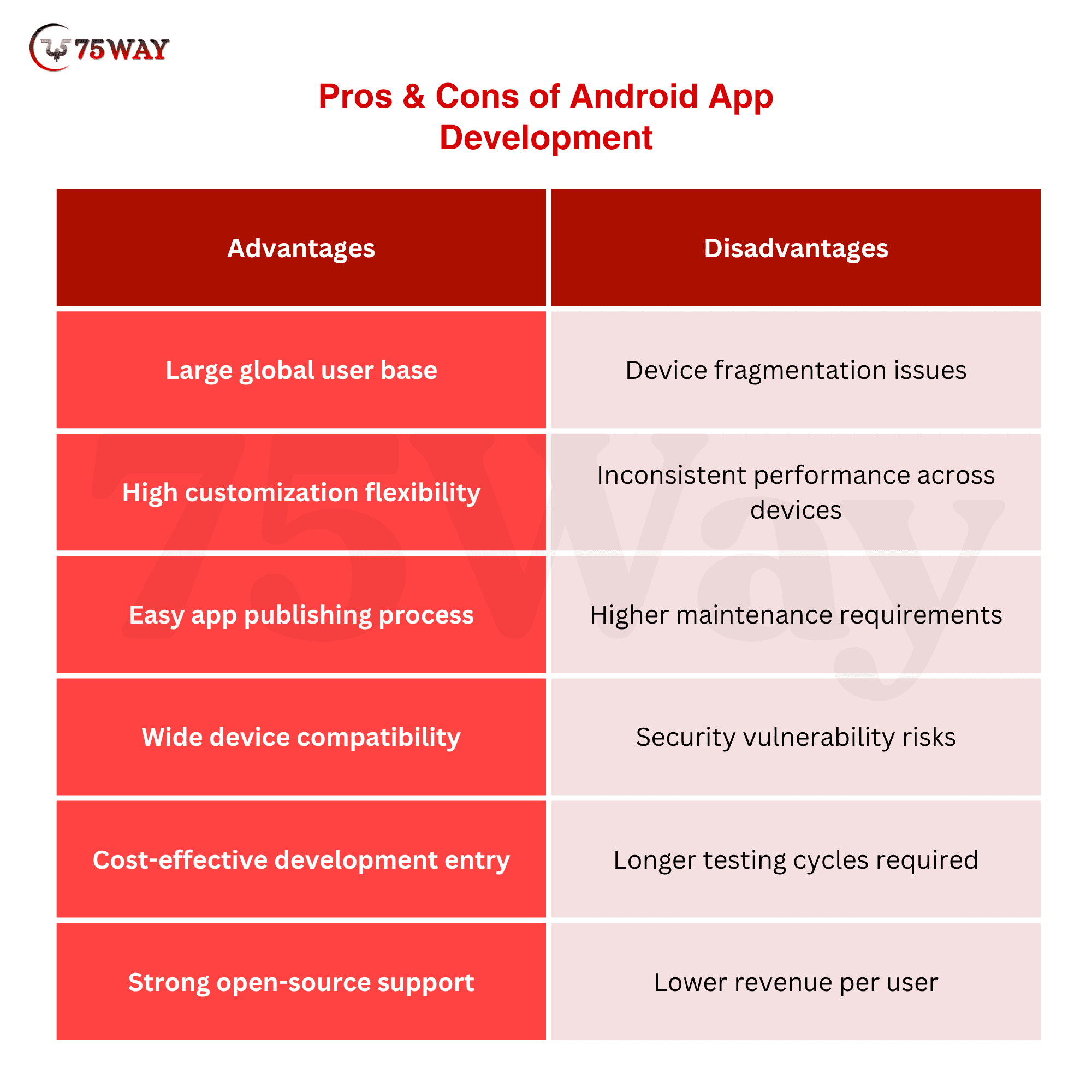
Building an Android app offers a wide global reach, flexibility, and cost-effective development, making it ideal for mass-market targeting. However, challenges such as device fragmentation, inconsistent performance, and increased testing effort can impact efficiency. Overall, it balances scalability benefits with technical complexity considerations.
Pros of Building Android Apps
- Large Global Reach: Android has the largest global user base, helping businesses target a massive audience across different countries and income levels.
- High Customization: Android allows developers to modify and customize applications freely, supporting diverse business requirements and innovative features.
- Easier App Publishing: The Google Play Store has a simpler approval process, enabling faster app launches and updates than on stricter platforms.
- Wide Device Compatibility: Android supports smartphones, tablets, TVs, and wearables, expanding application usage across multiple device categories.
- Cost-Effective Entry: Android development can be budget-friendly for startups, especially when targeting large-scale user acquisition through basic versions.
- Strong Open-Source Support: Being open-source, Android provides a large developer community, libraries, and resources for faster problem-solving and innovation.
Cons of Building Android Apps
- Device Fragmentation Issues: Apps must run on many devices with different screen sizes and hardware, increasing testing complexity and effort.
- Inconsistent Performance: Performance may vary across devices due to different manufacturers and system configurations.
- Higher Maintenance Effort: Supporting multiple OS versions requires continuous updates and long-term maintenance efforts.
- Security Vulnerabilities: An open ecosystem increases exposure to malware and security risks if not properly managed.
- Longer Testing Cycles: Extensive device testing increases development time before final deployment.
- Revenue Per User Is Lower: Android users generally spend less on apps than premium platform users, which affects the monetization potential.
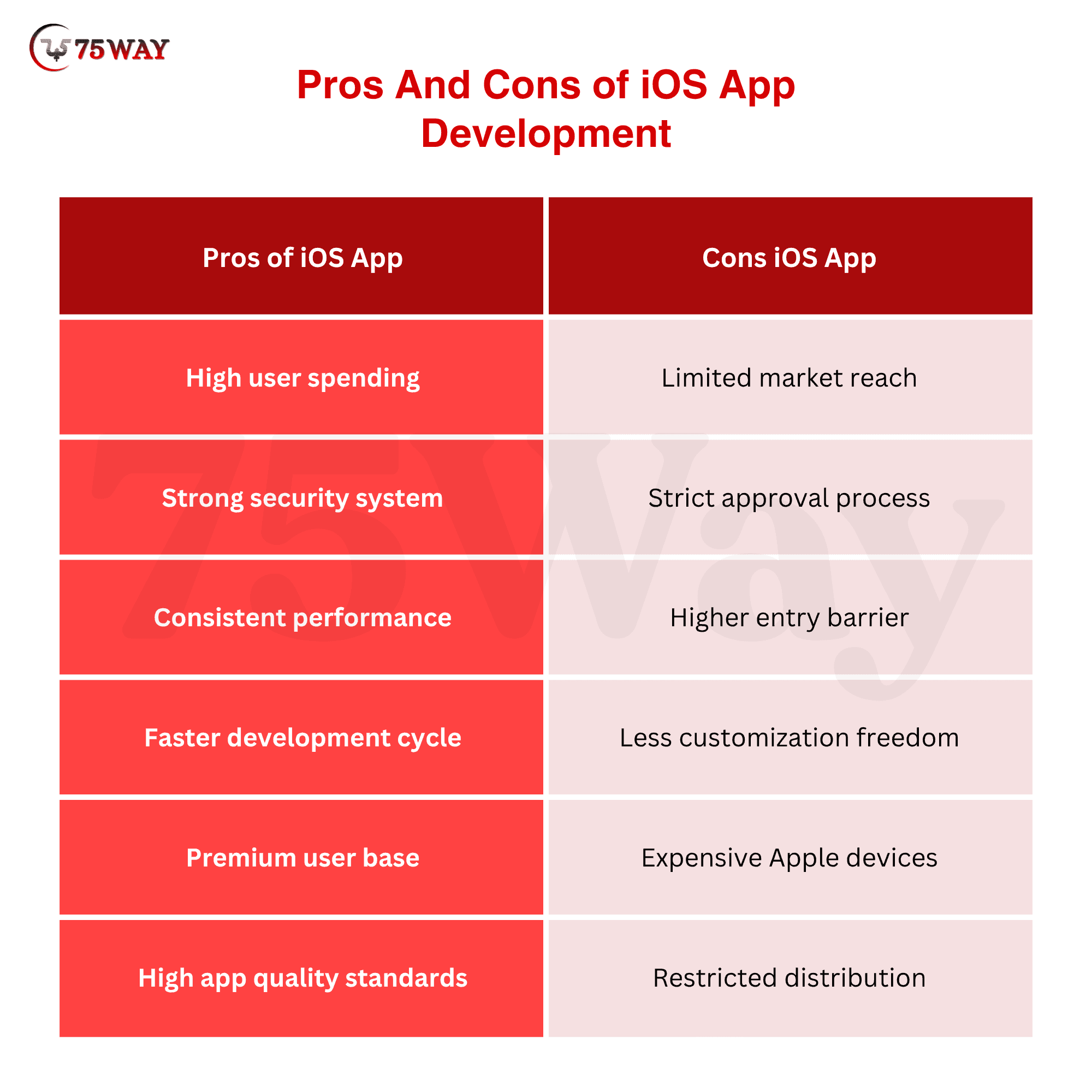
Pros and Cons of Building an iOS App
Developing an iOS app offers significant advantages in terms of security, consistent performance, and high revenue potential, thanks to its premium user base. However, it also comes with limitations such as stricter development restrictions, strict app review policies, and a comparatively smaller global user base.
Benefits of iOS Mobile Application Development
- High User Spending: iOS users are more likely to spend on apps, subscriptions, and in-app purchases.
- Strong Security: Apple provides a highly secure ecosystem with strict app review standards.
- Consistent Performance: Apps run smoothly across all Apple devices with uniform hardware and software.
- Faster Development: Limited devices reduce testing time and speed up deployment.
- Premium Audience: iOS users are high-income and highly engaged.
- Better App Quality: Strict guidelines ensure high-quality and well-optimized applications.
Limitations of iOS Application Development
- Limited Market Share: iOS has fewer users worldwide than Android.
- Strict App Review: Apple's approval process can delay app launches and updates.
- Higher Entry Barrier: Development requires specific expertise and Apple ecosystem knowledge.
- Less Customization: A closed system limits app customization options.
- Expensive Devices: Development and testing require Apple hardware, which increases the initial cost.
- Restricted Distribution: Apps can only be distributed through the Apple App Store.
Android vs iOS: Which App Development Platform Is Right?
The right platform between Android and iOS depends primarily on business goals, budget, and target audience. Both platforms are powerful within the mobile ecosystem, but they differ significantly in reach, cost structure, and revenue potential. A clear understanding of priorities ensures a more effective long-term decision.
For businesses focused on mass global reach and large-scale user acquisition, Android remains the stronger option. Its extensive presence across developing and emerging markets enables wide visibility and rapid adoption, making it suitable for apps that rely on high user volume and broad accessibility.
In contrast, iOS works better for businesses targeting premium users and higher revenue per user. Its audience generally demonstrates stronger purchasing power and higher engagement levels, making it ideal for subscription-based apps, paid services, and strategies focused on profitability rather than scale.
Both Android and iOS app development offer unique advantages depending on your business strategy. Android offers a wider reach and scalability, while iOS delivers higher revenue potential and consistent performance. The best choice ultimately depends on your target audience, budget, and long-term business goals. A hybrid strategy often delivers the strongest results for growing companies.
Final Thoughts
Android and iOS app development both play a crucial role in shaping modern mobile business success. Android offers unmatched global reach, flexibility, and scalability, making it ideal for mass adoption strategies. iOS, on the other hand, provides a premium ecosystem with higher revenue potential, stronger security, and consistent performance. The choice between the two depends on business objectives, target audience, and budget allocation. While Android focuses on volume-driven growth, iOS emphasizes quality-driven profitability. In many cases, combining both platforms creates the strongest digital presence, ensuring maximum reach, engagement, and long-term business sustainability in a competitive mobile-first world.
Frequently Asked Questions (FAQs)
Which Platform Is Better For Startups To Begin With?Startups should choose based on target users and budget. Android helps reach a larger audience quickly, while iOS provides faster monetization opportunities. Many startups begin with one platform and expand later to balance cost efficiency and market coverage.
Is Cross Platform Development Better Than Native Apps?Cross-platform development can reduce cost and time by using a single codebase for both Android and iOS. However, native apps still provide better performance, smoother user experience, and full access to device-specific features, making them suitable for complex applications.
Which Platform Has Better App Performance Overall?iOS generally delivers more consistent performance because Apple controls both hardware and software. Android performance varies across devices due to different manufacturers and specifications, though high-end devices can still deliver excellent user experiences.
What Type Of Apps Perform Better On Android?Apps targeting mass users, ad-driven models, and utility-based services perform better on Android. Its large global user base allows faster scaling, making it suitable for social apps, gaming platforms, and content distribution applications.
What Type of Apps Perform Better On iOS?
iOS performs better for premium apps, subscription-based services, fintech applications, and high-quality productivity tools. Users on iOS are more likely to pay for apps and engage in in-app purchases, increasing revenue potential.
Can Small Businesses Afford Mobile App Development?Yes, small businesses can start with basic versions of apps tailored to essential features. Costs vary based on complexity, but scalable development allows gradual upgrades as the business grows and user demand increases over time.
Which Platform Is Better For Long-Term Growth?Long-term growth depends on strategy rather than platform alone. Android supports user expansion, while iOS supports revenue growth. Businesses focusing on sustainability often use both platforms to balance reach and profitability effectively.
Is App Maintenance Different For Android And iOS?Yes, maintenance differs significantly. Android requires continuous updates due to device fragmentation, while iOS maintenance is more structured because of uniform devices and system updates. However, both require regular optimization and security improvements for stable performance.