AI Assistants for Insurance
Enhance insurance operations with AI assistants that automate claims handling, customer support, and underwriting workflows. Reduce manual workload, improve efficiency, and provide timely insights for faster, data-driven decisions across diverse insurance portfolios.
What Is AI Assistants For Insurance?
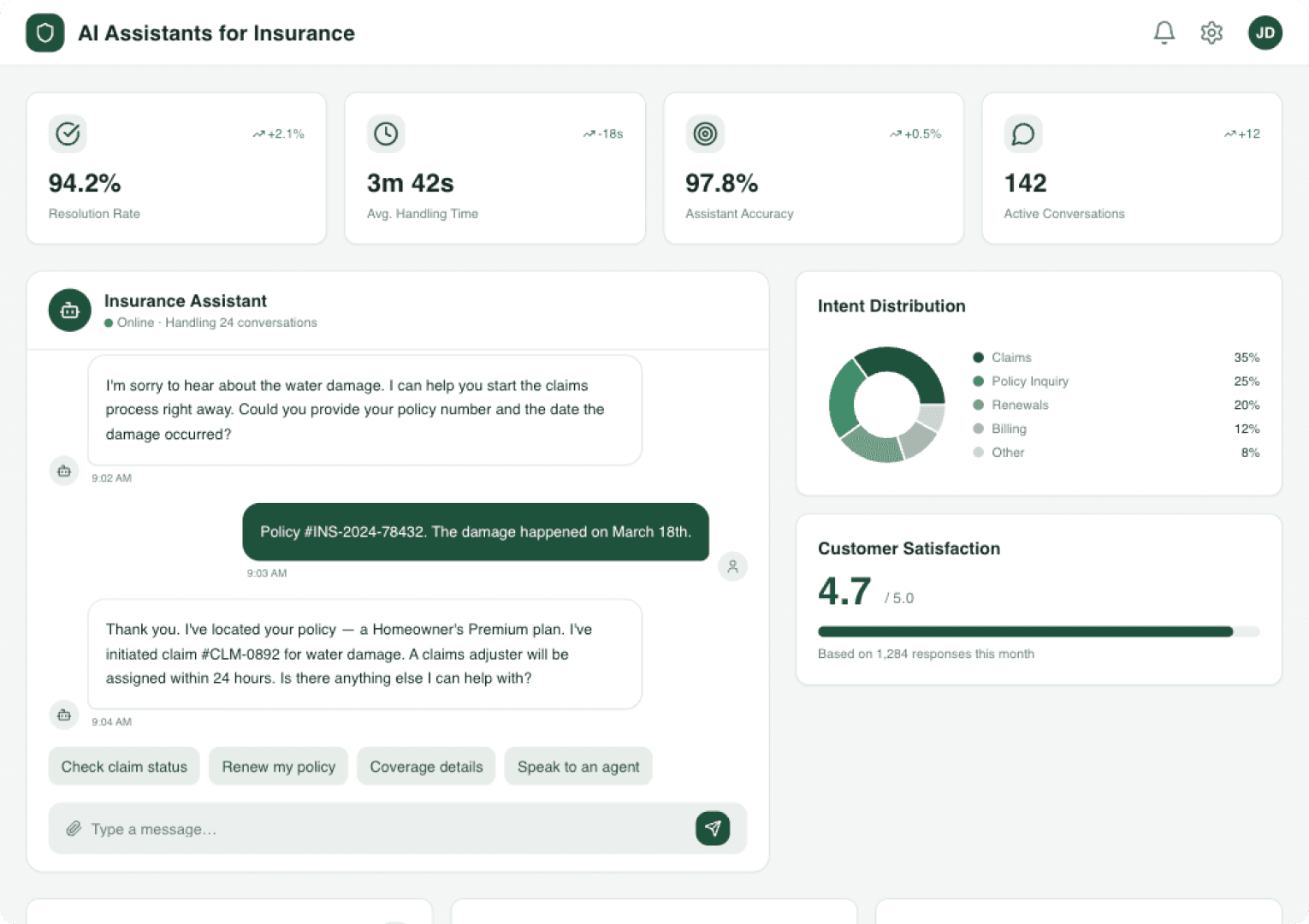
AI Assistants for Insurance are intelligent platforms that streamline workflows, assist with claims, and support underwriting decisions. They reduce operational delays, improve accuracy, and enable insurers to respond to customers promptly. By leveraging natural language processing, predictive analytics, and contextual understanding, AI assistants can answer customer queries, evaluate policies, and prioritize tasks. Insurance firms gain faster processing, fewer errors, and improved customer satisfaction consistently. Integrated with CRM systems, claims platforms, and reporting dashboards, AI assistants continuously learn from interactions and workflow data. They refine decision-making, enhance operational efficiency, and ensure compliance across multiple insurance products.
Streamline Insurance Operations With AI Assistants For Insurance
Discover how AI assistants automate claims, enhance underwriting support, and improve customer experience. Insurance teams can focus on complex decisions while AI handles repetitive and data-driven tasks intelligently.
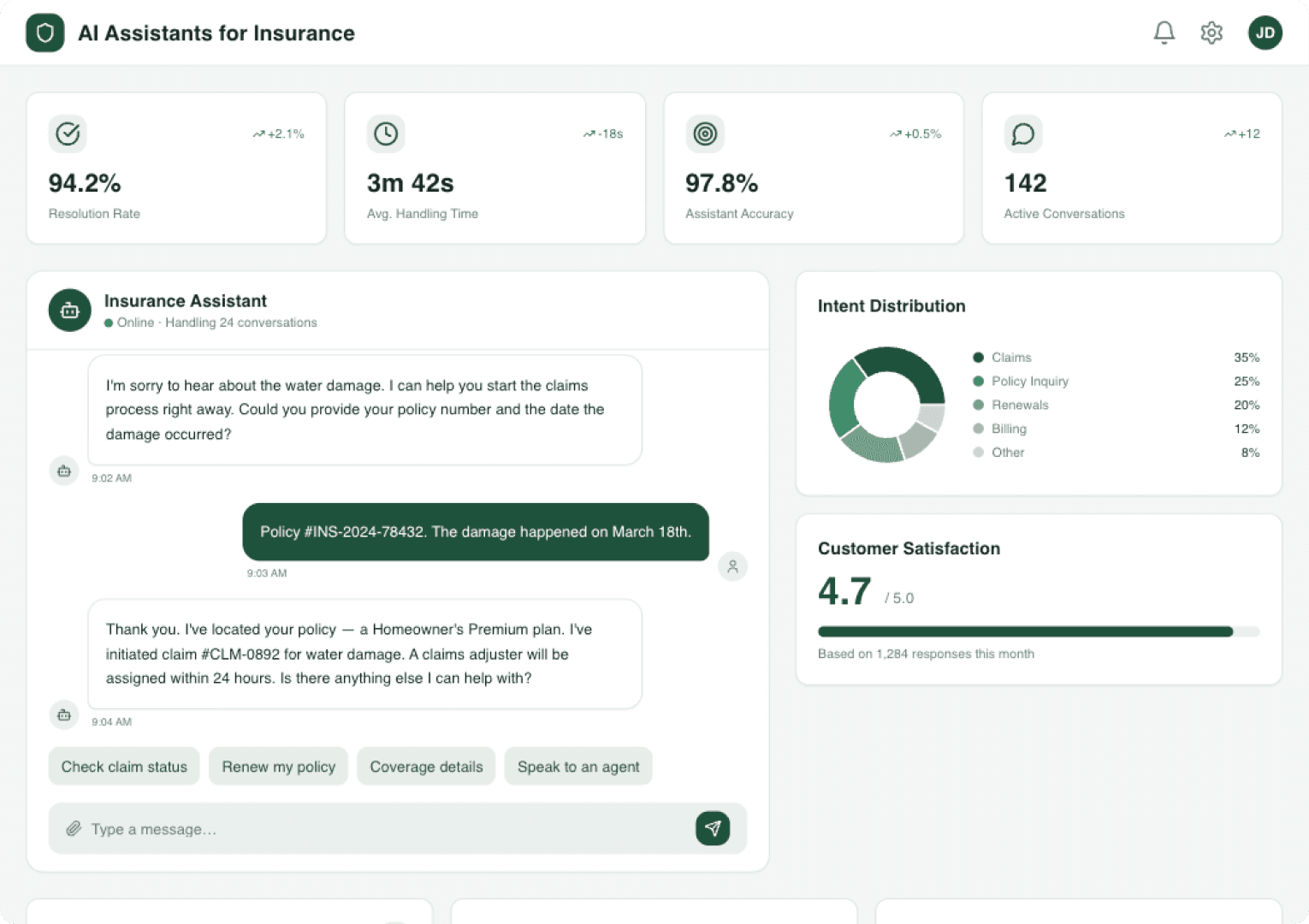
It works by analyzing claims data, customer interactions, and policy documents to automate responses, flag exceptions, and provide actionable recommendations. Estimated results include 50% faster claims processing, 40% higher customer satisfaction, and 35% reduced operational errors. Every workflow becomes proactive and insight-driven.
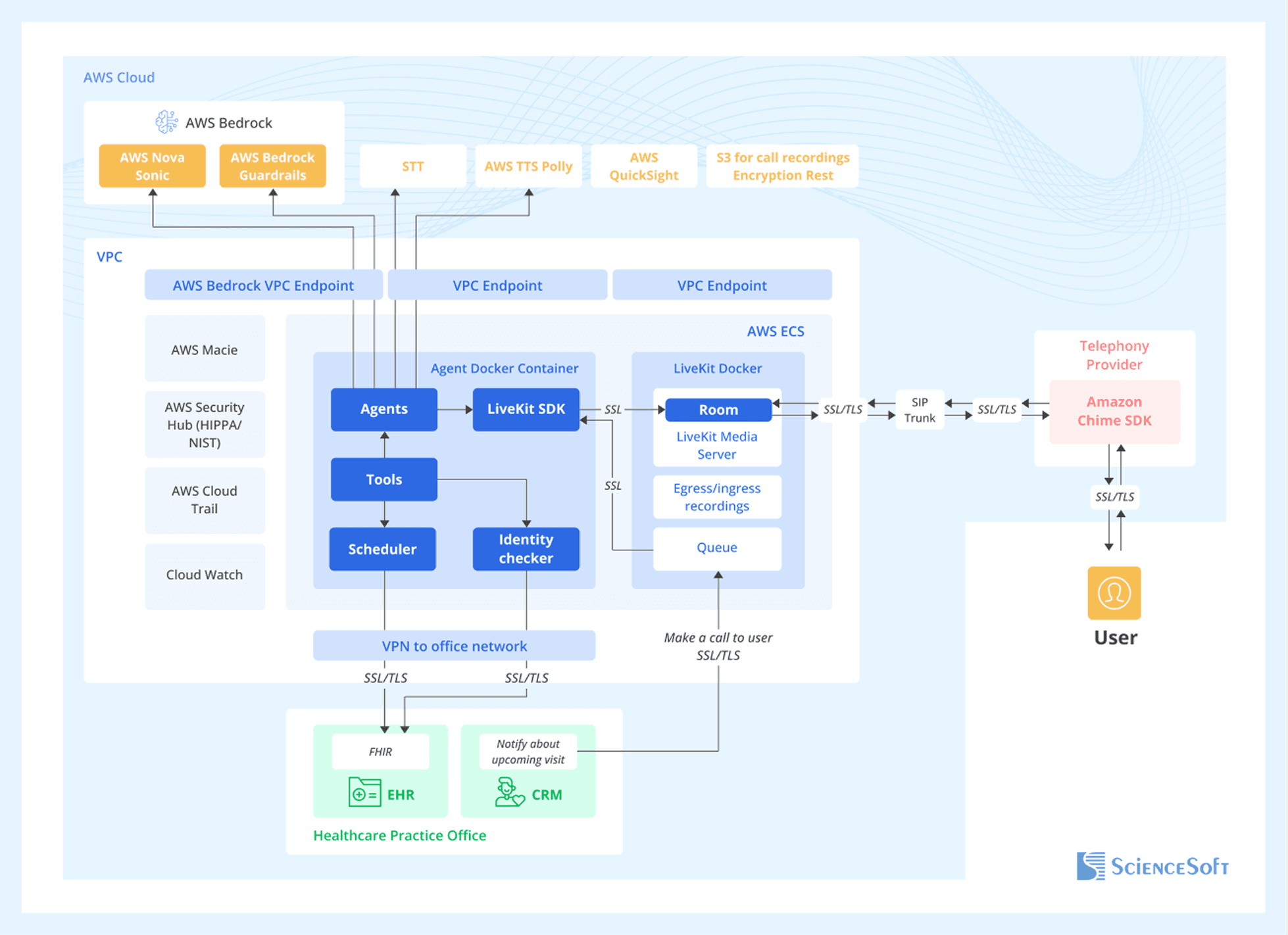
The solution uses AI agents, large language models, and virtual assistants integrated with CRM and insurance systems. Its architecture enables adaptive learning, real-time insights, and seamless automation for daily operations. Teams can optimize performance continuously. Cloud-based deployment allows scalability, integration across insurance portfolios, and secure handling of sensitive data. Organizations manage growing volumes efficiently without additional infrastructure or overhead.