Agentic AI in Ecommerce
Transform ecommerce operations with autonomous AI agents that make decisions, execute tasks, and optimize outcomes in real time. Unlock smarter workflows, faster responses, and higher revenue through intelligent, goal-driven automation across digital commerce ecosystems.
What Is Agentic AI In Ecommerce?
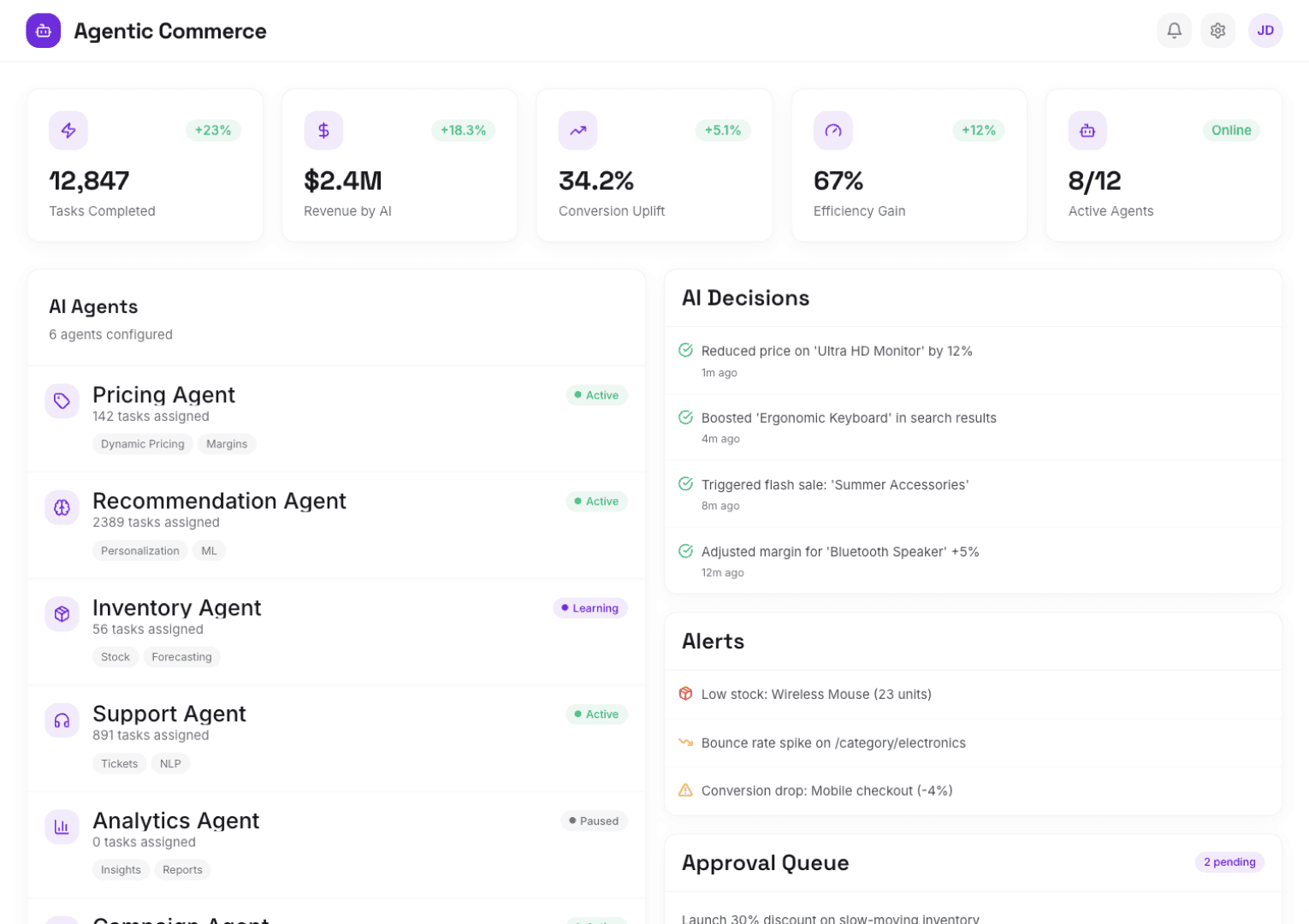
Agentic AI in ecommerce refers to autonomous AI systems capable of making decisions, executing tasks, and adapting strategies based on real-time data. These systems go beyond traditional automation by acting independently to achieve predefined business goals across digital commerce environments. It combines advanced machine learning, decision intelligence, and contextual awareness to manage complex ecommerce workflows such as product recommendations, pricing optimization, inventory coordination, and customer engagement. Agentic AI continuously evaluates outcomes, adjusts actions, and improves performance, enabling businesses to operate with greater agility and precision. By deploying agentic AI, ecommerce platforms gain the ability to automate decision-making processes, reduce operational delays, and enhance customer experiences. These systems act proactively, identifying opportunities and resolving challenges before they impact conversions, ensuring consistent growth and operational efficiency.
Experience Autonomous Intelligence That Powers Ecommerce Growth
Enable ecommerce systems to operate with intelligent autonomy, making decisions that improve performance and customer experiences. Reduce manual dependencies while accelerating outcomes across critical business processes.
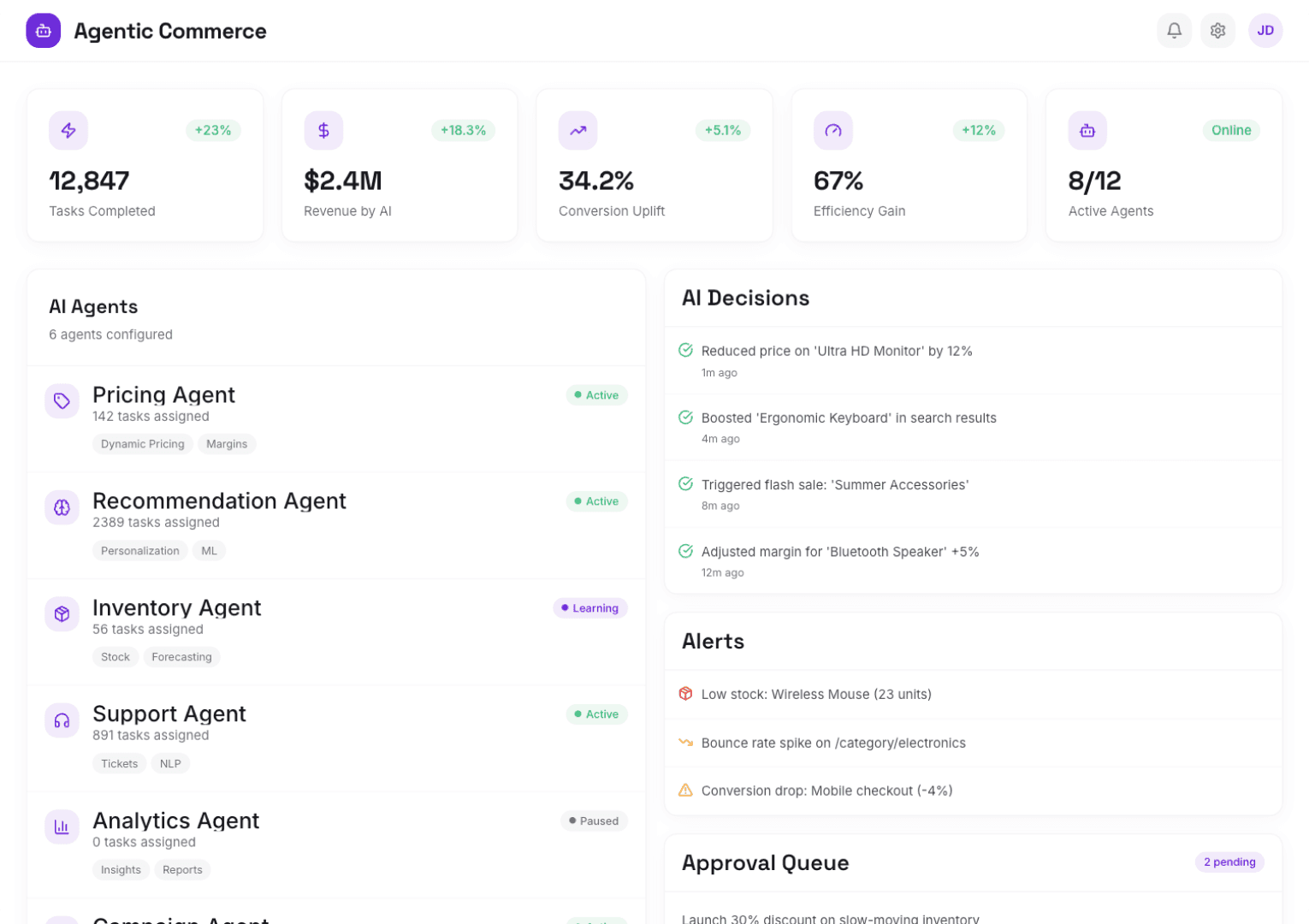
The system continuously analyzes data, identifies patterns, and executes decisions across workflows without human intervention. Revenue increases by 36%, operational delays reduce by 41%, and customer engagement improves by 45%.
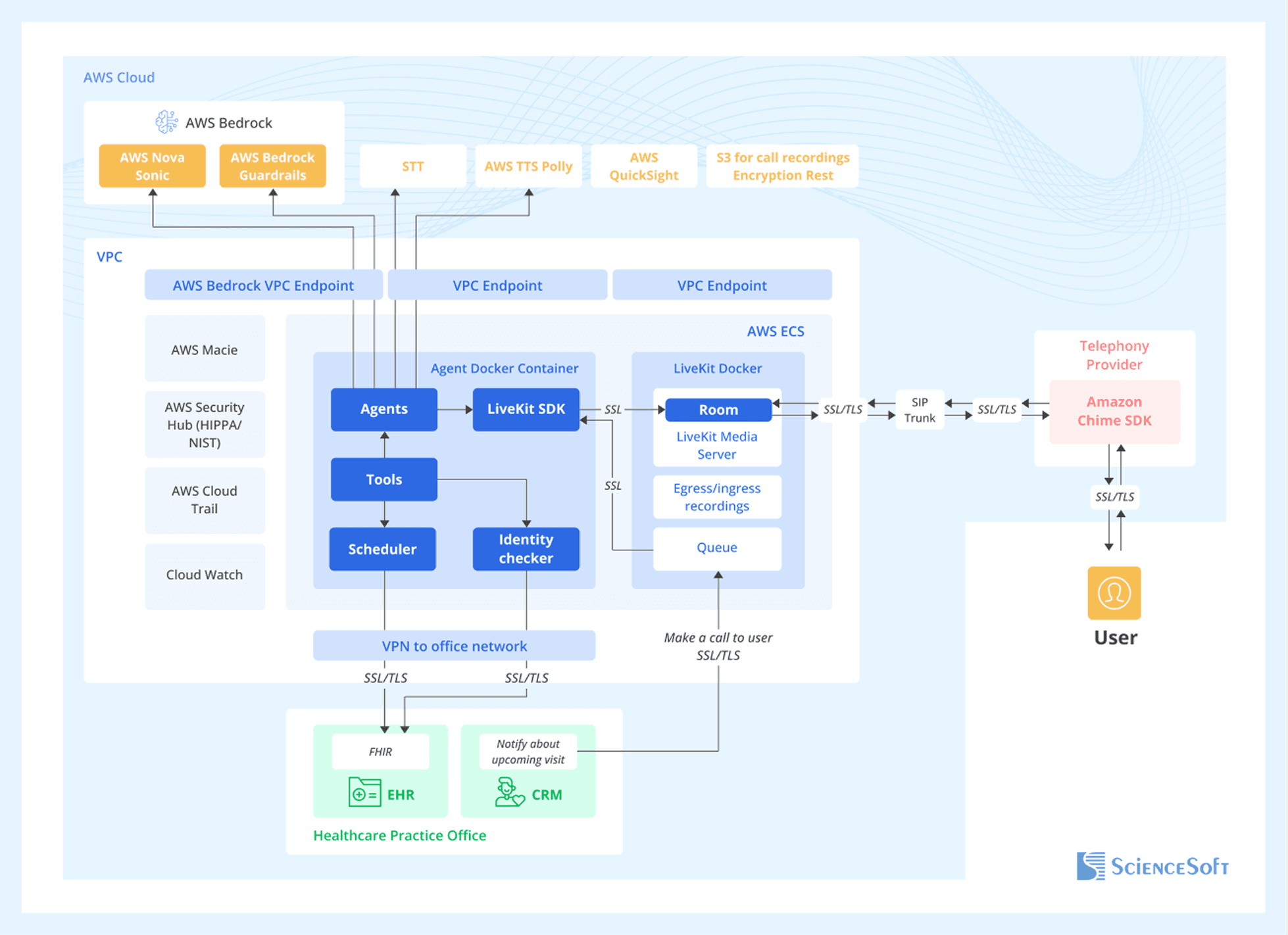
It uses advanced AI agents built on decision intelligence frameworks and machine learning models tailored for ecommerce ecosystems. The architecture integrates real-time data processing, decision engines, and execution layers to enable adaptive, goal-driven automation. The system continuously learns from outcomes and feedback signals to refine decisions, optimize workflows, and enhance performance over time.