AI Retail Customer Analytics
Unlock deeper customer insights with AI-powered retail analytics that track behavior, predict trends, and drive smarter decisions. Improve personalization, optimize marketing strategies, and increase revenue through data-driven intelligence across every retail touchpoint.
What Is AI Retail Customer Analytics?
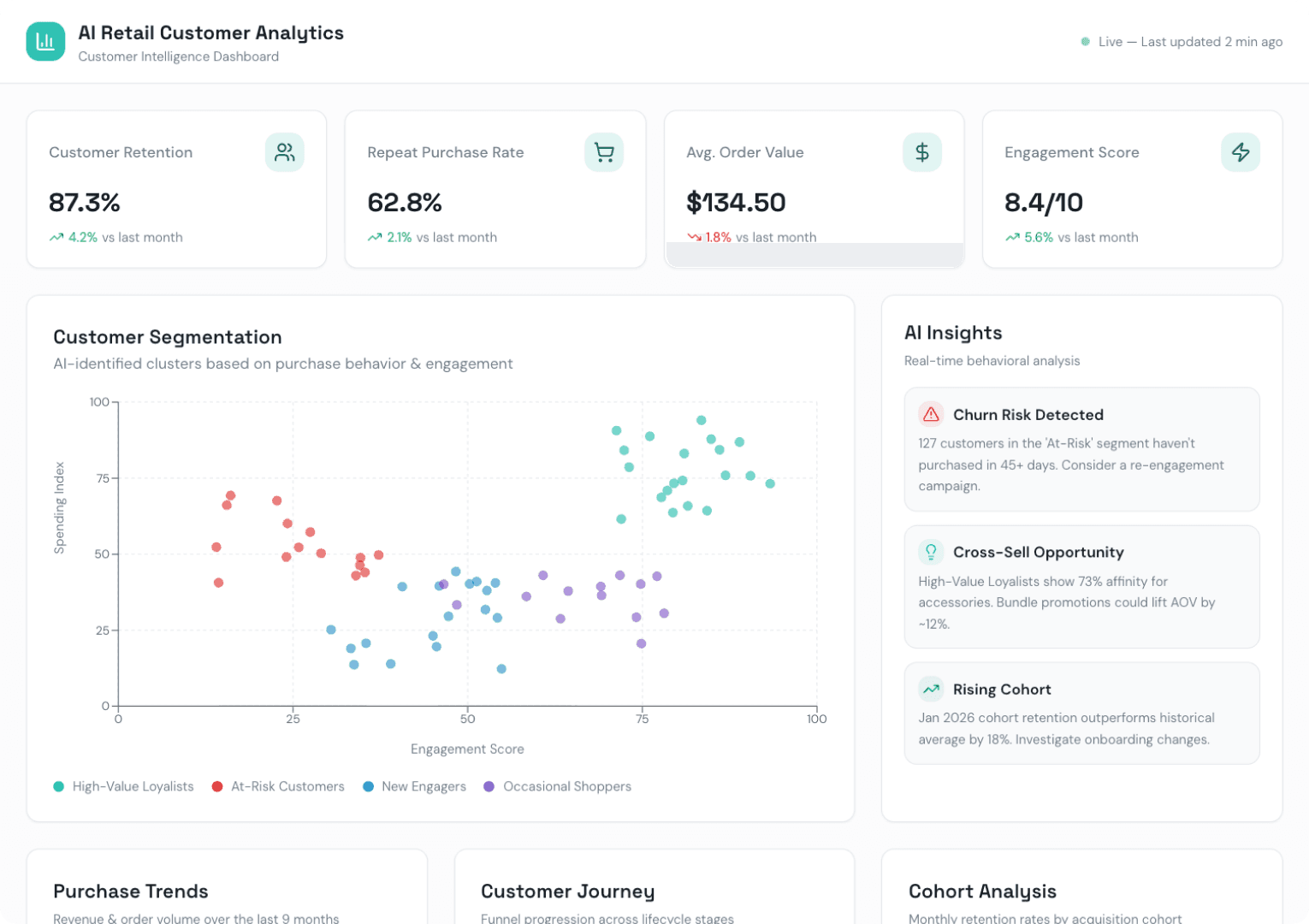
AI retail customer analytics refers to advanced systems that collect, process, and analyze customer data to uncover insights about behavior, preferences, and purchasing patterns. These systems help retailers understand their customers better and make informed business decisions. It uses machine learning, predictive analytics, and data modeling to analyze large volumes of structured and unstructured data. This enables retailers to segment customers, forecast demand, and personalize experiences, improving engagement and increasing the effectiveness of marketing and sales strategies. By implementing AI retail customer analytics, businesses can gain actionable insights, optimize product offerings, and improve customer retention. These systems enable proactive decision-making, helping retailers adapt quickly to market trends and deliver more relevant, personalized shopping experiences.
Experience Data Driven Insights That Power Retail Growth
Leverage AI analytics to understand customer behavior, predict trends, and optimize retail strategies for better performance. Make smarter decisions while improving personalization and customer engagement across every touchpoint.
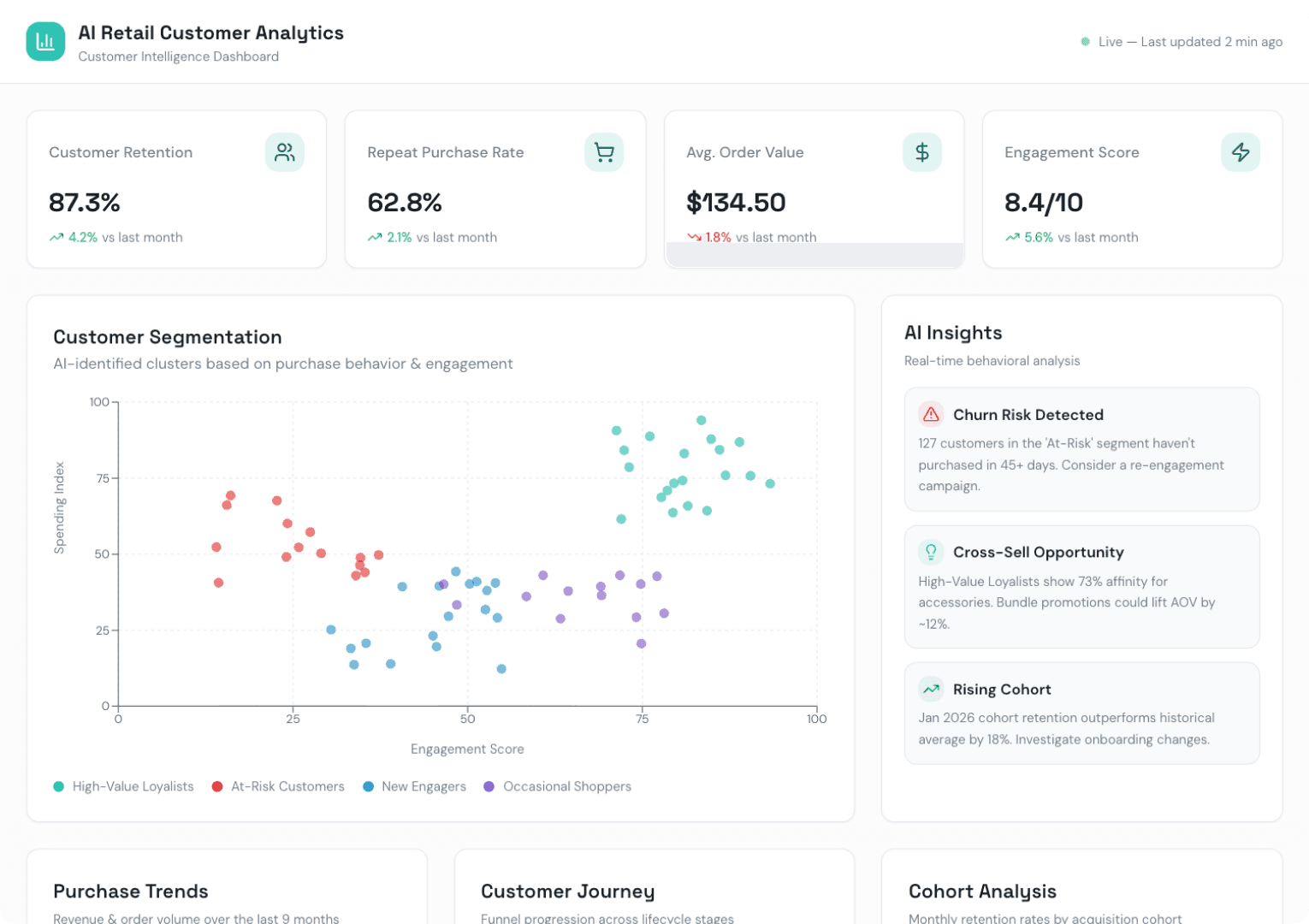
The system analyzes customer data and identifies patterns to deliver actionable insights in real time. Customer retention increases by 34%, sales performance improves by 38%, and marketing effectiveness grows by 41%. These outcomes support stronger revenue growth and strategic decision-making.
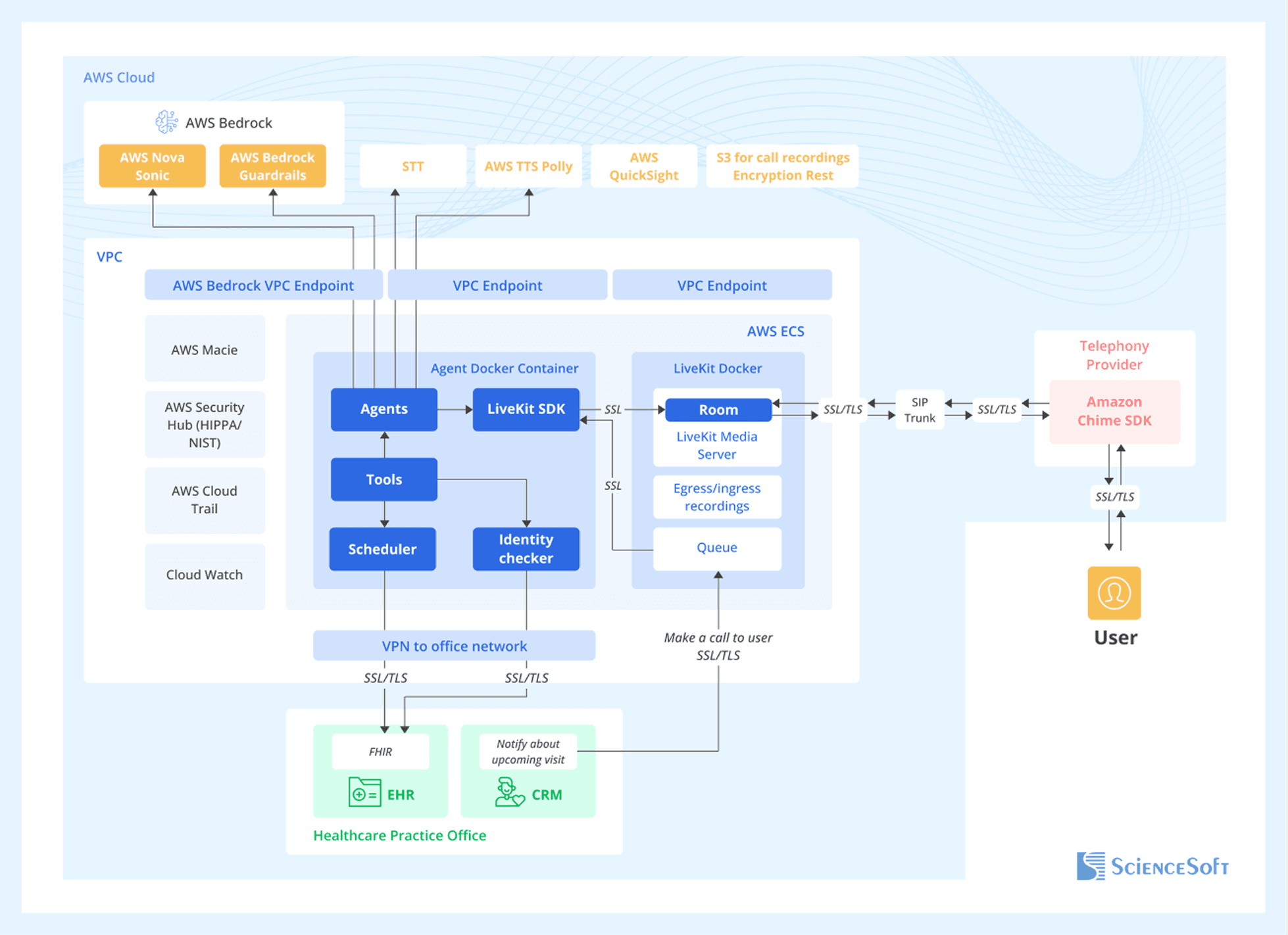
It uses advanced AI analytics systems powered by machine learning and predictive modeling tailored for retail environments. The architecture integrates data pipelines, analytics engines, and visualization layers to deliver meaningful insights. This enables scalable analysis across large and complex retail datasets. The system continuously learns from new data and feedback signals to refine insights, improve accuracy, and enhance overall analytics performance over time. Ongoing optimization strengthens decision-making capabilities.